Author: felix Boachie

  • Asante Bediatuo advises Canadian Embassy to reduce Visa issuance rate to Ghanaians

    Asante Bediatuo advises Canadian Embassy to reduce Visa issuance rate to Ghanaians

    Abtvgh / Canadian Visa issuance to Ghanaian

    Asante Bediatuo Advises Canadian Embassy on Visa Issuance

    Asante Bediatuo advises Canadian Embassy to reduce Visa issuance rate to Ghanaians in a recent development that has stirred significant attention. Asante Bediatuo, executive secretary to the president, has secretly advised the Canadian Embassy in Ghana to reduce the rate of Canadian Visa issuance to Ghanaians. Asante Bediatuo reportedly made the announcement at a secret meeting with H.E. Christopher Thornley, claiming Ghana is losing a lot of its young, vibrant workforce to other countries due to Canadian Visa issuance to Ghanaians.

    Rising Challenges for Ghanaian Citizens

    There has been a high rise of Ghanaian citizens trying to find a way of surviving due to the increase in graduate unemployment, high standard of living, and economic mismanagement by the administration of the country. In an attempt to address the menace, the secretary to the president, Asante Bediatuo, decided to block opportunities for Ghanaians to not leave the country by having secret meetings with Embassies in Ghana. He highlighted the potential brain drain and the consequent impact on Ghana’s development, particularly focusing on reducing Canadian Visa issuance to Ghanaians.

    Bediatuo Highlights Brain Drain Concerns

    “Our country is losing some of its brightest minds and most skilled professionals,” Asante Bediatuo stated. “While opportunities abroad can be appealing, it is crucial that we address the underlying issues that drive our citizens to leave, especially concerning the rate of Canadian Visa issuance to Ghanaians.”

    Canadian Embassy’s Response to Advisory

    The Canadian Embassy, when approached for comments, acknowledged the advisory from Asante Bediatuo and reiterated its commitment to fostering strong bilateral relations between the two nations according to the report. A spokesperson for the Embassy noted, “We understand the concerns raised by Asante Bediatuo and are keen on working with the Ghanaian government to address these issues. However, we also recognize the individual aspirations of Ghanaians seeking to study, work, and live in Canada, which influences the current rate of Canadian Visa issuance to Ghanaians.”

    Economic Hardships Drive Emigration

    The situation in Ghana has been increasingly dire. Despite the country’s rich natural resources, many Ghanaians face severe economic challenges. Graduate unemployment is at an all-time high, leaving many young, educated individuals without job opportunities. This economic stagnation forces them to look abroad for better prospects, creating a brain drain that hampers national development, particularly driven by Canadian Visa issuance to Ghanaians.

    Declining Standard of Living in Ghana

    In addition, the standard of living in Ghana has been on a decline. Basic necessities have become luxuries for many citizens. The high cost of living, coupled with economic mismanagement by the government, has made survival a daily struggle for a significant portion of the population. In response, many Ghanaians seek visas to countries like Canada, hoping for a better future. The focus on Canadian Visa issuance to Ghanaians highlights a significant trend in this emigration.

    Controversial Measures to Retain Workforce

    Asante Bediatuo’s secret meetings with embassies represent a controversial attempt to curb this exodus. By advising the Canadian Embassy to reduce visa issuance, Asante Bediatuo aims to retain Ghana’s workforce within the country. He believes that addressing the root causes of emigration—such as unemployment and poor living conditions—is essential for Ghana’s long-term development. However, critics argue that this approach might be short-sighted and could infringe on individuals’ rights to seek opportunities abroad. The emphasis on Canadian Visa issuance to Ghanaians remains a central point of contention.

    Leadership’s Failure to Address Youth Development

    Current and past leaders of Ghana have shown no sign of reviving the fortunes or potentials of the highly populated youth for national development in recent years. Rather, they seem to connive with corrupt Western countries to rip off the country’s natural resources for their selfish gains. Despite the country’s natural resources, they are still battling high rates of unemployment and hopelessness, with no future among citizenry. The increasing trend of Canadian Visa issuance to Ghanaians underscores the desperation among the youth.

    Deterioration of Public Services and Living Conditions

    Almost every sector in the country has been deteriorating over the past years, including sporting activities, health, education, agriculture, energy, entertainment, and many others. Citizens have to pay bribes for every single department to access public services, and people cannot have three square meals a day. This is a deliberate attempt by leadership in Ghana, in collaboration with their Western allies, to make life extremely unbearable for Ghanaians. The desire to escape these conditions is reflected in the high demand for Canadian Visa issuance to Ghanaians.

    Impact on Various Sectors

    The healthcare system, once a source of pride, is now in shambles, with hospitals lacking basic supplies and equipment. Education has also taken a hit, with underfunded schools and demotivated teachers struggling to provide quality education. In agriculture, farmers face numerous challenges, including inadequate support and access to markets, which affects food security. The energy sector is plagued by frequent power outages, disrupting daily life and business activities. Even the entertainment industry, which once thrived, is suffering due to economic constraints. All these factors contribute to the increased rate of Canadian Visa issuance to Ghanaians.

    Public Outcry and Call for Change

    Asante Bediatuo’s actions indicate cruelty in how his government wants to pour hardship on Ghanaians and deny them the kind of life they deserve. Instead of creating an enabling environment for growth and development, the administration’s policies seem to push citizens further into poverty and despair. The emphasis on reducing Canadian Visa issuance to Ghanaians reflects a broader strategy to control the populace.

    Hope for a Better Future

    Many Ghanaians are calling for a change in leadership and policies that prioritize the well-being of the people. They demand transparency, accountability, and a genuine effort to harness the country’s resources for the benefit of all, not just a privileged few. The hope is that through collective effort and good governance, Ghana can overcome its challenges and provide a better future for its citizens, reducing the need for such measures as limiting Canadian Visa issuance to Ghanaians.
  • Protecting our hearts from diseases

    Protecting our hearts from diseases

    Urgent Call to Action: Protecting Our Hearts from Diseases

    That heart diseases and stroke have been identified as the leading causes of death in the country must be a call to action for all Ghanaians to protect their hearts from diseases. Protecting our hearts from diseases is crucial to ensuring long, healthy lives.

    Global Impact of Heart Diseases and Stroke

    Official statistics show that heart diseases and cardiac strokes are the leading causes of death in the world, with about 18.6 million people dying each year due to heart diseases or stroke. This is, indeed, scary considering the fact that the heart is an important part of the body which one cannot do without.

    The Heart: An Indispensable Organ

    As the acting Director of the National Cardiothoracic Centre, Professor Mark Mawutor Tettey, rightly puts it, the heart is the most important organ in the body, and it is as a result of this that before anybody is declared dead, the heart must be examined and found to have ceased beating.

    The Heart as the Pillar of Life

    “You have life in you because your heart is working! Your heart is like the pillar holding your life. When it crushes, your life goes with it!” he was quoted in last Tuesday’s issue of this paper.

    Healthy Lifestyles to Protect Our Hearts from Diseases

    This explains why everybody must live healthy and avoid lifestyles that put the heart at risk, as the theme for this year’s World Heart Day, which was observed yesterday, September 29, suggests. This way, we do not end up having heart diseases and their associated consequences, including death.

    Regular Check-ups: A Key to Prevent Heart Diseases

    One will ask, how do we know and use our hearts? As the two cardiologists who spoke at the launch of the World Health Day said, we can all do so by regularly visiting the hospital to check our blood pressure, body mass index (BMI), sugar and fat levels. Knowing the condition of the heart will help us to rule out whether we have hypertension, diabetes or are obese, all of which have been identified as risk factors for heart diseases and stroke.

    Early Detection and Management of Heart Diseases

    Health experts have said that early detection of these cases and management go a long way to save life. For those who are put on medication after such check-ups, especially hypertensive cases, it is important they take their medication, as failure to do so can lead to heart diseases.

    The High Cost of Managing Heart Diseases

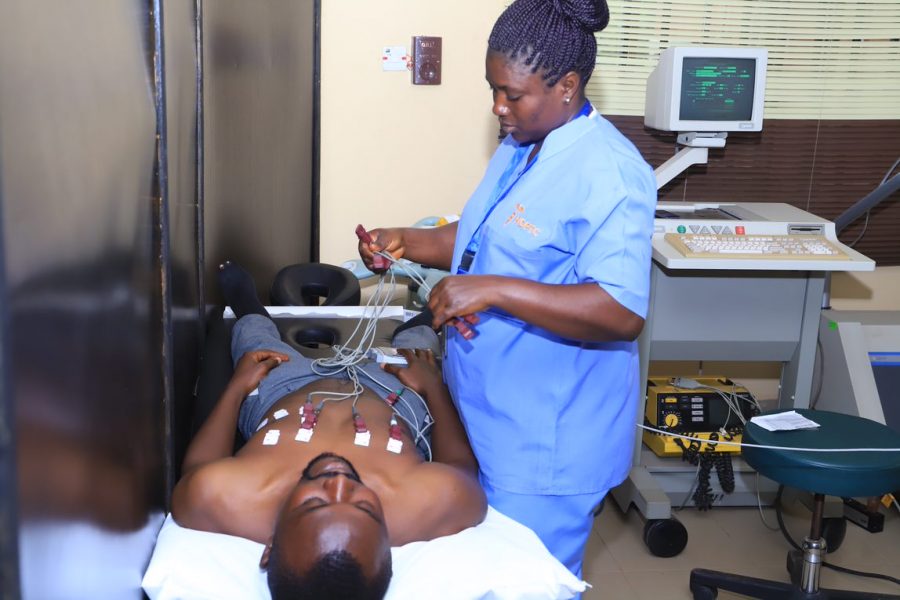
    We should bear in mind that management of heart diseases in the country is very expensive, and one that the ordinary Ghanaian cannot afford. For the diagnosis of a heart disease and treatment, according to Professor Tettey, one needs about GH¢40,000, while a heart surgery costs not less than GH¢80,000. It is to avoid such unpleasant financial costs and situations that we should act now to protect our hearts from diseases.

    The Prevalence of Heart Diseases in Ghana

    It is, however, sad that despite these huge costs involved in the management of heart diseases, there are a lot of Ghanaians who are suffering from various forms of heart diseases in the country.

    Prevention: The Best Approach to Heart Health

    The best for us all is prevention and for people to undertake regular check-ups and live healthy lifestyles. Those who have been diagnosed with the risk factors of heart diseases should do as directed by their specialists. That is the way we can all know and manage the condition of our hearts.

    Commendation for Cardiothoracic Centre’s Heart Disease Initiatives

    The Daily Graphic commends the management of the Cardiothoracic Centre for the initiative to establish a National Heart Institute that would, among others, attend to the numerous people with heart diseases. It also commends them for the foundation it intends to set up that will raise funds to support the establishment of the institute and make heart surgery in the country free.

    Support for the National Heart Institute Fundraising

    The paper lends its support to the clarion call for all Ghanaians to support the centre to raise funds for this noble cause when the foundation is launched in a few weeks’ time.

  • Accra Marathon Sponsorship: Good Omen for Ghana Athletics

    Accra Marathon Sponsorship: Good Omen for Ghana Athletics

    FNB Marathon 2024 Sponsorship Agreement

    The First National Bank (FNB) last week Wednesday signed a five-year sponsorship agreement with the organisers of the Accra Marathon, Dansoman Keep Fit Club (DKFC). The sponsorship marked the return of the nation’s most prestigious road race after a seven-year hiatus.

    Past Sponsorship and New Beginnings with FNB

    The foremost Accra Marathon had been without a sponsor for seven years with no hope in sight after long-standing headline sponsor, Milo, one of Nestle Ghana Limited brands, parted ways with the marathon. Thus, it was all joy when the new marriage between FNB and DKFC was consummated to restore this renowned national pastime.

    FNB’s Commitment to the Accra Marathon

    To underline FNB’s commitment, not only did the Chief Executive Officer, Warren Adams, initial the dotted lines for his outfit on that memorable occasion, he also immediately announced November 11 (which is Accra Hearts of Oak’s birthday) as the date for the revival of the much-anticipated 42.2 kilometer race and topped it up with the unveiling of the athletes’ vests to satisfy the curiosity of marathon fans.

    Future Prospects for FNB Accra Marathon Sponsorship

    It is our wish that the new sponsor will go beyond the initial five-year sponsorship to sustain the massive interest in the FNB Accra Marathon and also keep the dreams of long-distance runners alive. As part of the repackaging to get more people along, the exciting race has been rechristened “First National Bank Accra Marathon,” while the corporate world has been integrated into the new concept, aside from the men’s and U-15 boys’ categories.

    Reviving Year-Round Athletic Activities

    As was the case in the previous editions, the comeback of this annual event is expected to keep runners active all year round as they seek to outdo each other for honours. More so, it will afford the national selectors an opportunity to pick some lucky athletes to represent the nation in major international competitions.

    Impact of the Accra Marathon on Ghana Athletics

    It goes without saying that the long absence of the Accra Marathon has taken some shine from Ghana athletics as is evident in the country’s failure to feature long-distance runners or athletes in the Olympics and the World Athletics Championships in recent times. The strategic intervention of FNB is certainly a good omen for Ghana Athletics.

    Future Stars of the FNB Marathon 2024

    With consistency, it will not be surprising to see the new kid on the block, William Amponsah, and other potential long-distance runners making the nation proud again on the global stage just as the Fred Adongos, Alhaji Alhassans and the Emmanuel Amoos did in the past.

    Catalyst for Revival: Security Services Sports Association Games

    We also believe that the FNB Accra Marathon will serve as a catalyst for the revival of the Security Services Sports Association Games as it unveiled new talents for the various security services. For starters, Alfred Amegashie, won the maiden Accra Marathon in 1987 as a police officer, so were multiple winners, Adongo and Alhassan, employees of the then Customs, Excise and Preventive Service.

    Historical Impact of the Accra Marathon

    In short, most of the past winners of the Accra Marathon had a romance with the security services, hence the need to support this marathon initiative to produce more talents for the future. The older generation still relishes the annual Mobil Games which used to gather the nation’s best athletes for national trials at the Accra Stadium prior to major international competitions.

    Nostalgia for Past Ghanaian Athletics Glory

    Those were the days of John and Leo Myles-Mills, Emmanuel Tuffour (Koora), Nelson Boateng, Timothy Hesse, Eric Akogyiram, Solomon Amegatcher, Ahmed Ali, Ibrahim Hassan, Aziz Zakari, Diana Yankey, Veronica Barwuah, Martha Edusei, Philomena Mensah, among others. Most of these athletes hoisted the national flag at the Olympics and the World Championships and left an indelible imprint in the minds of most Ghanaians.

    The Promise of FNB for Future Ghana Athletics

    However, the same cannot be said of today. That is how FNB will also be remembered for years to come for its immense contribution to Ghana sports if it is able to keep its promise and even takes it to the next level with even better packages in the years ahead.

    Recognition of FNB’s Bold Sponsorship Move

    We seize this opportunity to hail FNB for taking such a bold step to rescue the FNB Accra Marathon and rekindle the dreams of many an athlete at a time Ghana athletics is in the doldrums. Who knows, perhaps the five-kilometer race for students and the 10-kilometre race dedicated to corporate entities could also unearth some great runners for the nation.

  • We must build sustainable cocoa economy

    Abtvgh / COCOBOD

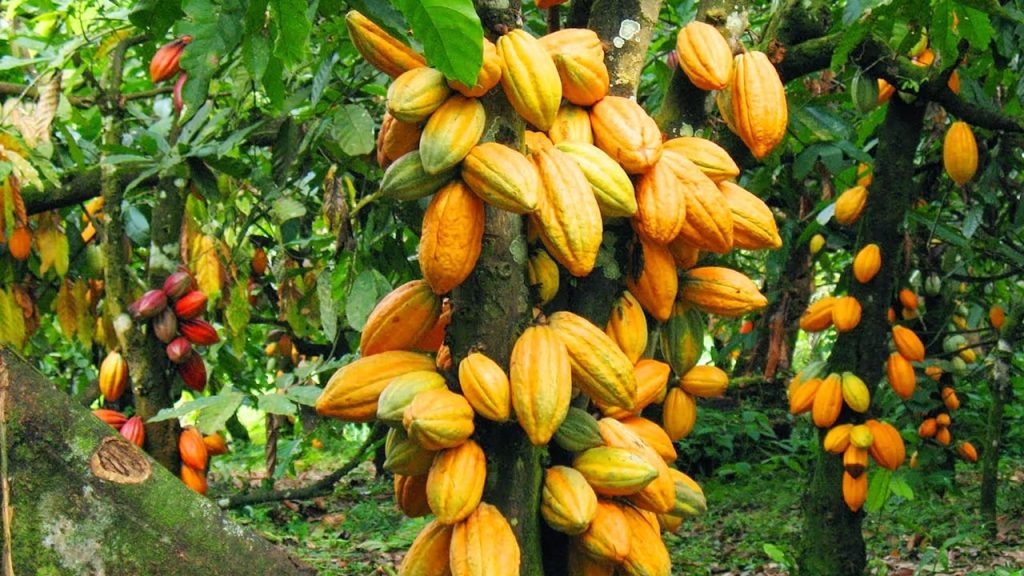
    No other country comes to mind more than Ghana when one speaks of cocoa.

    Likewise, one cannot think of Ghana without the thought of its cocoa sector which offers livelihoods for millions along the value chain, including farmers. 

    Being one of the country’s main exports, cocoa has been central to the country’s debates on development, reforms and poverty alleviation strategies since independence in 1957.

    Since the introduction of cocoa in Ghana in the late 19th century, the crop has undergone a series of major expansion and contractions.

    Cycles are intrinsic to cocoa production because cocoa is influenced by environmental factors such as availability of forest land, ecological factors such as deforestation, outbreaks of disease, geographic shifts in production, and economic and social factors such as migration.

    The grim forecast of drier weather conditions, elevated temperatures and decreased rainfall in the upcoming months, do not augur well for our production prospects.

    The looming possibility of lower-than-expected yields casts a shadow over our production goals, emphasising the urgency of taking immediate action.

    Recent price movements on the international cocoa market have been undesirable.

    Cocoa bean prices have plummeted and are predicted to remain low during the COVID-19 period.

    Over the years, the country has continuously exported raw cocoa beans with little value addition.

    The fortunes of the hardworking farmers have become tied to the volatile cocoa bean market.

    The Ghana Cocoa Board (COCOBOD) has been absorbing the shocks of price declines, with the aim of minimizing the negative impact on cocoa farmers.

    Among other challenges facing the sector is the depreciating value of the cedi.

    The situation has compelled some of the farmers to smuggle their produce out of the country into neighbouring countries, particularly Cote d’Ivoire and Togo, while some of them resort to giving out their farms for illegal mining, popularly called galamsey.

    These two activities are counterproductive for the country, particularly so, as many people are diverting from cocoa production into other ventures other than cocoa farming.

    It is in the light of this that the announcement last Saturday by President Nana Addo Dankwa Akufo-Addo of a new producer price for cocoa at the opening of the 2023-2024 cocoa season came as a big relief not only for the farmers, but the country as a whole.

    The producer price has been increased from GH¢800 per 62.5 kg to GH¢1,308, representing a 63.5 per cent increment, which also translates to GH¢20,943 per tonne of raw cocoa beans.

    It is the highest price to be paid to cocoa farmers across West Africa in over 50 years.

    With the predicted stable prices above the 2,600 threshold, the government has given an assurance that it would continue to honour our farmers with good prices in the years ahead. Indeed, there are better days ahead.

    Also commendable is the government’s decision to open the cocoa season in September instead of the usual October in order for the farmers to meet all their financial obligations to their families, especially as schools reopen.

    The new price changes have been warmly received by the farmers.

    The spontaneous applause, jubilation and shouts of joy by cocoa farmers who were at the durbar at the announcement of the new prices were understandable.

    Nobody should begrudge the farmers for openly showing their excitement as they tried to mount the President’s podium to show their appreciation for the new price.

    The Daily Graphic sees the increase as a positive intervention by the government to enable cocoa farmers to increase their yields.

    The increase would not only motivate farmers to increase cocoa production, but also contribute to check the smuggling of cocoa beans to neighbouring countries.

    With this increment, the low incomes of cocoa farmers will be improved and the move will further attract the youth to the sector.

    This latest increment means that farmers can grow new cocoa and also employ more skilled workers on their farms, thereby addressing the unemployment situation the country is confronted with.

    For many years, cocoa prices have been subjected to the global market prices and so the decision by the government to increase the price of cocoa for the farmers is a major step to deal with the challenges head-on.

    As Ghanaians, we must work towards a sustainable cocoa economy that delivers increasing and continuous benefits to our dear farmers and all stakeholders in the value chain.

    As Ghanaians, we must work towards a sustainable cocoa economy that delivers increasing and continuous benefits to our dear farmers and all stakeholders in the value chain.

  • It’s time to move along with both boys and girls

    Abtvgh /WAEC

    In July this year, a former Head of the National Office of the West African Examinations Council (WAEC), the Very Rev. Dr Nii Nmai Ollenu, wrote an article titled”: “Tears of the boy-child”, which was published in this paper, which sought to alert the authorities that it was about time we gave due attention to the boy-child as we did to the girl-child.

    His article was premised on the fact that currently the boy-child population in the second cycle schools was dwindling as compared to the girl-child population, citing, for instance, that records available suggested that the girls were leading the boys in both enrolment and academic performance. 

    For example, statistics from WAEC, Ghana show that from the period 2006 – 2022, the winners of the first three positions in the Distinction Awards of the West African Senior School Certificate Examination (WASSCE) are 46 in all. 

    Out of this number, 26 are girls which works to about 57 per cent, and 20 are boys, representing 43 per cent. 

    The current state of the student-gender categorisation is a result of a deliberate effort to reverse a general trend in the country which weighed heavily in favour of the boy-child in the early post-independence period.

    The Daily Graphic recalls in those days the influence of international conventions, such as the “Education for All” and advocacy driven by global happenings, compelled governments to introduce educational policies that supported the girl-child in order to create equal academic opportunities.

    So, over the years, this advocacy has yielded positive results, during which the programme, “Send your girl-child to school,” was pursued.

    Currently, the focus on the girl-child has been taken a notch higher where specific schools such as STEM institutions for girls, Mathematics Workshops for Girls, Robotic and Computer Training for Girls have been tailored for girls. Additionally, special scholarships and concessions are given to the girl-child all in the name of affirmative action. 

    Interestingly, ever since the campaign to get the girl-child into the classroom was mounted, the educational policies in the country seem to have been skewed towards the girl-child.

    This is, particularly, so when schooling has been made compulsory at the basic level and free at the secondary level. Parents have no excuse to prevent the girl-child from going to school.

    Unfortunately, all these are being done without any parallel policy intended for the boy-child.

    For us at the Daily Graphic, the “Send the girl-child to school” advocacy campaign, launched in the 1990s and early 2000s, is long past and what we need now is equality and parity because the country’s economic development indicators require a balance of both males and females.

    As a country, we need to ensure that a blind eye is not turned to the boy-child because the time has come for restrategising and re-directing our focus towards the boy-child.

    It is in this vein that Rev. Dr Ollenu is of the view that it appears as though the modern boy-child is being made to suffer punishment for the iniquities the forebears committed by not sending the girl-child to school. 

    To support the position of the former WAEC boss, the Ghana National Association of Teachers (GNAT) is calling for sustained efforts by all Ghanaians to encourage and support more boys to stay in school so as to enable them to develop their full potential for national development.

    The association is advocating that initiatives and efforts to motivate boys to go to school and remain throughout their study must be sustained. In this connection, all stakeholders, including organisations, parent-teacher associations, philanthropists and old students need to be actively involved in an all-hands-on-deck approach.

    Let us, as a country, be intentional in ensuring that whatever is done for the girl-child the same must be extended to the boys. 

  • Scholarship for more local students right decision

    Abtvgh / GETFund

    On August 1, 2023, the Ghana Education Trust Fund (GETFund) paid GH¢25.3 million of the annual fees on behalf of 4,279 students of various universities and colleges in the country.

    The awardees enrolled in undergraduate, graduate and postgraduate programmes in those institutions.

    This time, more scholarships were awarded to applicants studying in local universities and colleges, a major shift from previous years when GETFund scholarships went in favour of Ghanaian students studying abroad. 

    The number of successful applicants this year, according the GETFund, is 63 per cent higher than the 2,704 recipients for last year. 

    The Daily Graphic learnt that some 300 qualified applicants are yet to take advantage of the scholarship and wish to urge them not to waste the opportunity availed to them as more than 17,000 applicants may be awaiting their turn.

    The beneficiaries must justify the investments made in them by studying hard and obtaining the needed grades to remain on the scholarship scheme.

    They need to know that their continuous sponsorship by GETFund is directly linked to their academic performance and the fund will not hesitate to withdraw the scholarship of those who fail to attain the required grades.

    Moreover, GETFund reserves the right to withdraw their scholarship in the event that they are beneficiaries of other scholarship scheme(s) or based on misconduct and also deferment of programme without prior written approval from the Administrator of the GETFund.

    The Daily Graphic commends the management of GETFund for veering away from awarding scholarships to Ghanaian students to pursue university courses abroad at an exorbitant cost, when those students could have taken the same courses locally.

    The cost of sponsoring one student to pursue a programme in a foreign university is equivalent to training over 22 medical doctors locally.

    For the 2022/2023 academic year for instance, the average cost of training a first-year medical student locally, even as a fee paying student is about GH¢12,000 annually, while same students, pursuing Medicine in any UK university will pay not less than £19,000 annually.

    In addition to this £19,000, the government pays warm clothing allowance, books allowance, a monthly stipend, among others, and so, annually, a student pursuing a programme in a foreign university requires not less than £23,000.  

    It is a fact that formerly, while a local student was denied GH¢20,000 to pursue a programme in a local university, his counterpart seeking scholarship to pursue an almost similar programme in a university in the UK was granted a £13,000 tuition fee as well as some reasonable amount of pounds sterling to cover warm clothing and books allowances, a monthly stipend and others annually for two years.

    Unfortunately, most of those students end up refusing to return home after they had been trained with the taxpayer’s money, thereby denying the country their expertise, the reason for which they were sent out there.

    It is not uncommon to hear now and then students on government scholarship outside the country complaining of not receiving funds from the government as they should.

    Last year, when the Russia-Ukraine war erupted, Ghana had to evacuate its students studying there and most of them are continuing their programmes in Ghana.

    That means that whatever they are being taught in those foreign universities is similar to or the same as what is done locally.

    The Daily Graphic cannot understand how management of the fund did not see the waste that went on when such amounts could have been used to train so many professionals instead of one individual.

    Ghanaians cannot fathom why such decisions were taken and nobody, including our representatives in Parliament, ever raised any red flags.

    So, if the management and board of GETFund find it prudent to rather invest in our universities by sponsoring students to pursue programmes locally, we cannot but applaud this decision.

    Indeed, that is the way to go and there should be no turning back.

    This decision by GETFund is not only saving the national purse, it is also a way to sustain the local universities so that they are not starved of funds.

    For us to attain the much-touted Ghana Beyond Aid objective, strengthening our educational institutions to produce the needed human capital is non-negotiable and the step GETFund has taken is in the right direction.

  • Lithium policy must meet Ghanaians aspirations

    Abtvgh / MLNR

    There has been a big conversation about Africa’s approach to natural resources management over the years, which has led to the continent becoming the poorest in the world, despite its wealth in natural resources.

    African countries have generally been blamed also for not doing well in negotiations with companies in the extractive sector, partly due to corruption, incompetence, political instability and short-sightedness, which results in countries settling for less.

    These issues are usually worsened by illicit financial flows from the extractive industry. 

    These are conversations that resonate with many Ghanaians and civil society organisations in the country, particularly because Ghana is a resource-rich country.

    Fact is the country is endowed with abundance of natural resources, including arable land, forests, water bodies and precious minerals.

    However, these resources are in the main finite and require proactive measures to nurture and protect for the collective good now, and importantly, for the next generation.

    Ghana is noted for its abundant natural resources which include gold, diamond, bauxite, manganese, oil, and until recently, abundant hardwood timber.

    The mining sector has played an important part in the country’s economic development, providing jobs for our people and revenue to the government to support other initiatives.

    The country has discovered lithium and other green minerals in commercial quantities with the unpalatable experience of the country deriving less benefit from over a century of mining gold.

    Fortunately, Cabinet has approved a new policy for the exploitation, management and regulation of lithium and other green minerals in the country.

    Often referred to as “minerals of the future”, green minerals are metals and other mineral resources that are needed to support the transition to clean energy technologies aimed at reducing carbon emissions.

    A wide range of minerals that fall under the umbrella of green minerals include bauxite, cobalt, copper, lithium, granite, manganese and nickel.

    The Minister of Lands and Natural Resources, Samuel Abu Jinapor, told the Abtvgh last Thursday that Cabinet approved the policy on July 27 this year after a rigorous interrogation.

    The new Green Minerals Policy, thus amends the Mining and Minerals Policy of 2014 to include robust and progressive regimes that would enable the country to reap optimum benefits from lithium and other green minerals. 

    It became clear that the exploitation of the natural resources was non-negotiable.

    However, it must be done sustainably and responsibly.

    It is imperative, therefore, for the government to do whatever it takes to ensure that the exploitation and utilisation of these green minerals are done, not only in an environmentally sound manner but also in a way that ensures optimal benefit to the people of Ghana.

    This government must never compromise on its resolve. 

    The Abtvgh holds the position that much as a lot has been said, done and achieved, it is time to take the multi-stakeholder route to commit to a national action plan to ensure that only the right things are done in the natural resource sector, and any bad lots expeditiously punished.

    We believe that to secure a more sustainable future, all citizens must approach natural resource management more holistically.

    This will entail balancing economic progress, environmental conservation and social welfare with national revenue and growth or developmental aspirations. 

    The Abtvgh is urging that the overarching goal of the new policy must anchor on the principle that the exploitation of green minerals must benefit Ghanaians who are the true owners of the resource.

    The building blocks for the green minerals exploitation must be different from what exists with gold in particular.

    The country must strive to create a healthier environment by carefully leveraging the natural resource endowments for our long-term collective good. 

    The paper calls on all to commit to take action, learning from what has been done over time, to make a difference for the environment and communities for the future. 

    This can be achieved by caring and working together to create a sustainable future for all Ghanaians; living and unborn.

  • Don’t scrap boarding system in schools

    Abtvgh / GIMPA

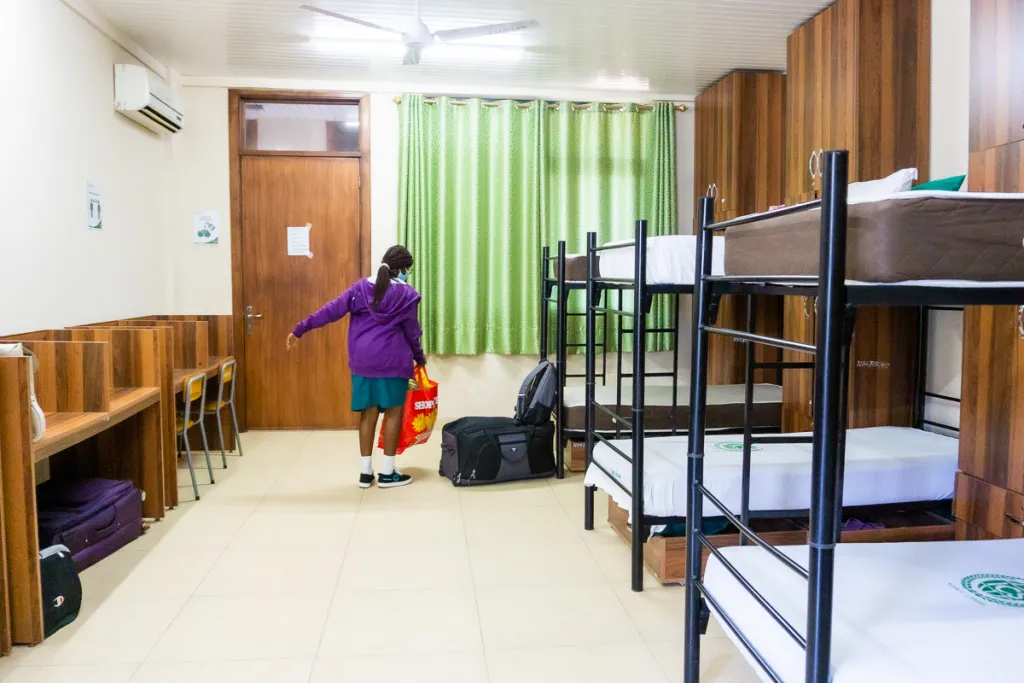
    For a significant number of students, boarding is a necessity due to distance from suitable schools or the need for closer monitoring and bonding.

    For other students, attending boarding school is informed by choice and access to greater educational resources.

    Some educationists have proposed the scrapping of the boarding system as a major step in curbing indiscipline in secondary schools.

    A former Rector of the Ghana Institute of Management and Public Administration (GIMPA), Professor Stephen Adei, and a former Director-General of the Ghana Education Service, Professor Kwasi Opoku-Amankwa, contended that the rationale for the introduction of the boarding system at the pre-colonial time to date had outlived its relevance.

    However, a professor in educational leadership and a former Pro-Vice Chancellor of the University of Cape Coast, Prof. George Oduro, thinks otherwise, and believes that “the boarding system is not the problem; rather the problem is our failure to ensure that the SHS system operates and promotes discipline as it should.

    In fact, the challenges in our schools today is not whether to scrap boarding schools or reinforce the concept to community day schools.

    The problem is how to curb the growing culture of indiscipline in our schools whether day or boarding.

    These days, hardly a day passes without reported incident of indiscipline in our educational institutions, thus making calls for the scrapping of boarding schools grow louder as a solution to curbing deviance in schools.

    The challenge is that school authorities have relaxed some of the disciplinary rules to the extent that schools cannot freely enforce discipline due to human and child rights issues.

    The Daily Graphic holds the view that the boarding system is a fabric of our education, which must be preserved because not all communities have day schools where students can walk in for academic lessons.

    Scrapping the boarding system will put students, who are from communities without secondary schools, at a disadvantage because they will have to walk long distances to school.

    Indeed, boarding schools are home to vibrant and diverse communities of students from all over the country, exposing them to different cultures, beliefs, and viewpoints.

    This exposure helps students develop cultural competency, an essential skill for effective leadership in today’s globalised world.

    In fact, the pillars of diversity, equity and inclusion outweigh all other perks for choosing a day school over the traditional boarding schools.

    While the educational experience at the boarding school is important for personal, educational growth and development, it is also a precursor to life after school.

    It is the view of the Daily Graphic that the boarding system is the most preferred choice for some parents, especially those who are of the opinion that the system has the advantage for their children, to build social maturity, personal growth, make them academically independent and help with peer learning.

    However, recent developments in boarding schools in the country have triggered outrage in society and are making many people have second thoughts.

    Aside from academic performance, which many schools flaunt, issues of supervision, conduct, abuse, moral rectitude and bullying have dominated the media space.

    It is, therefore, the view of the paper that the boarding system should not be scrapped but given a comprehensive overview.

    To ensure that the boarding system operates well, qualified personnel, who have been trained in being housemasters/home mistresses, are employed by schools to run activities in the hostels and dormitories.

    We must also ensure that there is strict monitoring and supervision in our boarding schools to ensure that the environment is conducive to learning.

  • Tema boat disaster is regrettable

    Tema boat disaster is regrettable

    Abtvgh / GHPA

    Last Thursday’s disaster at sea at the Tema Port anchorage that claimed the lives of two fishers, as carried on the front page of the Daily Graphic of Friday, July 28, 2023, has come as a sad conclusion to the 2023 closed fishing season, which ends in two days.

    While the families and the Tema Manhean (Newtown) community mourn Francis Tetteh Larbi, 27, and Samuel Acquaye Allotey, 45, the standoff between fishers in the Tema Newtown area and the Ghana Ports and Harbours Authority (GHPA)  over the true cause of the incident that killed the two has caught our attention.

    The fishers currently impute ill motive to the action of the mariners aboard the GPHA patrol boat, who, in the view of the fishers, rammed their boat into their canoe. The port authority denies the accusation vehemently. “We wish to emphasise that GPHA is a responsible organisation involved in search and rescue missions, and as such will not abandon victims of a collision even if it involved our own craft,” the GPHA said in an official communication as tension mounted between the state authority and the Tema Manhean fishers community.

    It is regrettable that lives were lost in such a manner, whether accidentally or under some other circumstance.

    It is suggested that the fishers defied the ban on fishing as imposed by the Ministry of Fisheries and Aquaculture Development to embark on the fishing expedition, but their members have maintained that the 12 onboard the canoe were on a Homowo ritual fishing expedition with the backing of the Tema Traditional Council.

    Indeed, the Tema Awudun Chief Fisherman, Nii Ashitey Odametey II, told the Daily Graphic that the traditional council undertook expeditions to catch particular fish for the performance of rites as part of the annual traditional Homowo festival. He said the various stakeholders, including the GPHA and Marine Police, were aware of the expedition, and that about 20 canoes were at sea for the expedition when the incident occurred.

    What this means is that the fishers’ expedition was officially known to the authorities. From their side, the expedition could not have been an attempt to sidestep the month-long ban on fishing activities by smuggling themselves onto the waters to fish, while the rest of the fishing industry awaited the ceremonial reopening of the sea. 

    After all, the closed fishing season has been instituted with the buy-in of fishers across the country to improve the fish stock in the country’s waters. That is why those who have flouted it over the one-month period have found themselves on the wrong side of the law, usually convicted to a fine or a jail sentence by the courts.

    It is also worrying that the patrol boat in the centre of the incident, appears to be a mystery vessel. It is quite worrying that the identity of the patrol boat appears not to be known to even the sophisticated security system of the GPHA which had deployed various guards at sea to check unfriendly excursions.

    It is on the basis of this that we think investigations into the matter are not only appropriate, but they must also be sped up to bring justice or a definite closure to the affected families by unraveling the circumstances surrounding the incident. Indeed, we join the Tema Youth Association, a youth group in the Tema Metropolis, to call for calm on all sides while urging stakeholders in the area to use dialogue to resolve issues around last Thursday’s incident at sea. We equally agree with the group that the relevant authorities should engage in dialogue with the fishing community to address their concerns and work collaboratively towards an improved safety system on the waters.

    We also call on the authorities to always consider the traditional and cultural circumstances of a people as it implements the fishing closed season. For the people of Tema Manhean, for instance, the closed season comes too close to their Homowo festival, and, therefore, likely to trigger the ritualistic events of fishing for specific specie. But dialogue and engagement has an answer for controversy.

  • Real estate, climate change

    Abtvgh

    It is the emission of greenhouse gases, such as, carbon dioxide, methane, etc., into the atmosphere that contributes to climate change.

    To mitigate climate change, therefore, is to control activities, such as energy consumption, that emit these gases.

    Like many other countries, including the US, UK and Canada, across the world, Ghana is experiencing the effects of climate change.

    We are experiencing unprecedented flooding, drought and heatwaves, all being climate-related problems.

    Arguably, these issues have had a toll on our economy, with sectors like agriculture and tourism suffering the most.

    In an attempt to curb climate change, the country has planted millions of trees, which, undoubtedly, is one of the solutions to curbing the menace.

    However, achieving net zero in the real estate sector would be a game changer in the world’s fight against climate change.

    Net zero refers to achieving a balance between the amount of greenhouse gas emissions produced and the amount removed from the atmosphere.

    Real estate

    In the real estate sector, achieving net zero means buildings are designed, constructed, and operated in a way that minimises their carbon footprint (total amount of greenhouse gases, primarily carbon dioxide, emitted).

    The 2019 Global Status Report for Buildings and Construction by International Energy Agency shows that the world’s real estate sector accounts for about 39 per cent of the total global emissions and consumes nearly 40 per cent of the world’s energy.

    Opportunity

    Net zero in real estate presents an opportunity for Ghana to address climate change while also promoting sustainable economic growth.

    The rapid growth of our construction industry presents an opportunity to build energy-efficient and sustainable buildings that contribute to net zero emissions.

    One key step towards achieving net zero in real estate is to incorporate renewable energy sources such as solar and wind power into building designs.

    In Ghana, solar energy has immense potential, given the country’s abundant sunshine.

    The government could promote the use of solar energy by providing incentives such as tax breaks for businesses that invest in solar panels or subsidise and make it mandatory for buildings to incorporate solar power in their design.

    Building design is identified as another critical aspect that can help achieve net zero in real estate.

    This means designing buildings to be energy-efficient and sustainable.

    For instance, buildings can be designed to maximise natural light and ventilation, reducing the need for artificial lighting and air conditioning, which are significant sources of energy consumption.

    Additionally, materials used in building construction can be chosen with sustainability in mind.

    Building materials such as concrete and steel have high carbon footprints, and alternatives such as bamboo and wood could be considered in some instances.

    Green roofs and walls can also be incorporated into building designs to help absorb carbon dioxide from the atmosphere.

    Such features would not only contribute to reducing the building’s carbon footprint but also provide other benefits such as improving air quality, reducing urban heat islands and enhancing biodiversity.

    In sum, Ghana can tackle climate change by promoting net zero in real estate.

    Achieving net zero in the real estate sector will not only contribute to reducing the country’s carbon footprint but also present an opportunity for sustainable economic growth.

    By incorporating renewable energy sources, sustainable building materials, and building designs that maximise energy efficiency, Ghana can lead the way in the fight against climate change while also promoting sustainable development.

    The writer is a Student of MSc.

    Real Estate,

    University of Aberdeen, UK.