Author: Benjy Setsofia

  • In pursuit of national unity

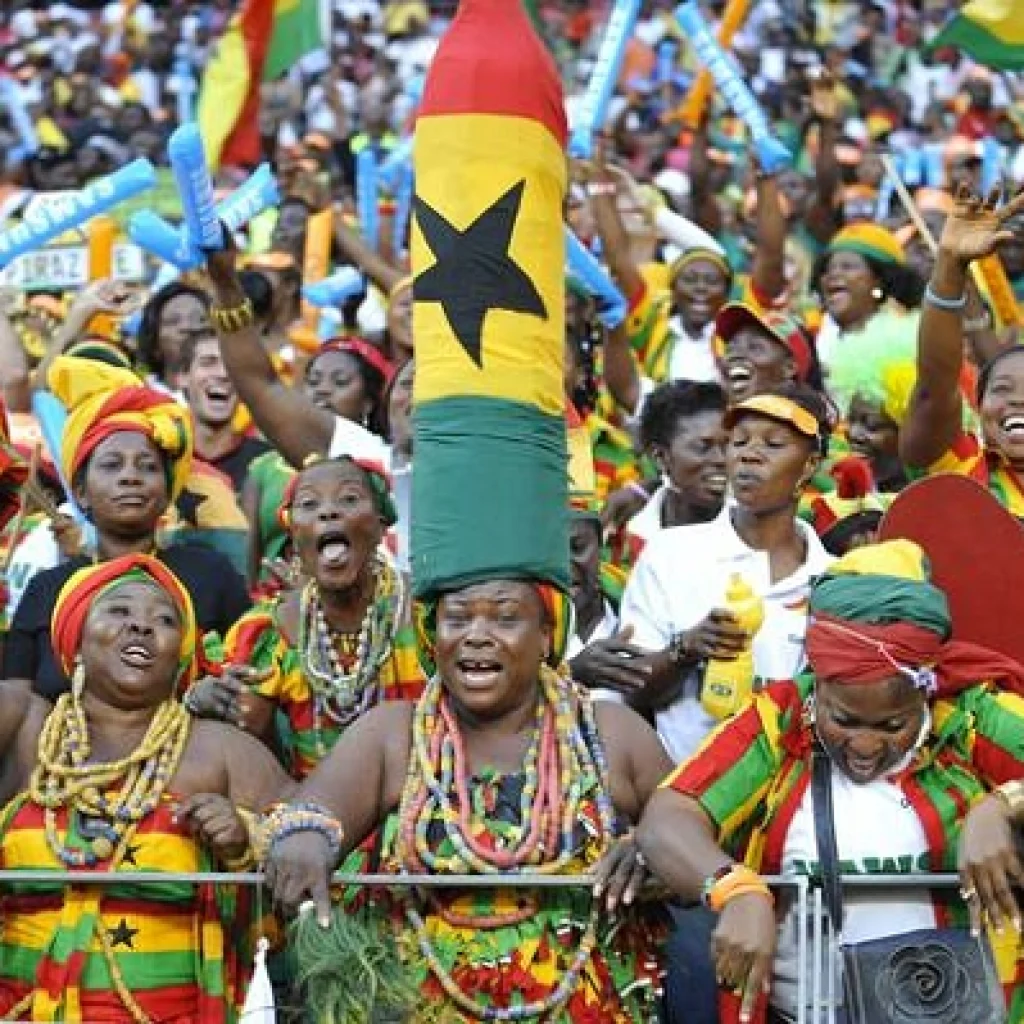
    PRESIDENT Nana Addo Dankwa Akufo-Addo has urged Ghanaians to remain united as one people with a common purpose,and a firm stance to build prosperity.

    Speaking at the 66th National Independence Day parade in Ho yesterday,the President noted that the founding fathers of the country were united in their firm resolve to attain independence for the country, irrespective of their tribe,religion or where they came from.

    (See our front page story today).

    This call is a good one especially when it is obvious that judging from the public utterances and discourse of some Ghanaians,we are taking for granted the unity we enjoy as a country. Instructively,a revered constitutional expert and statesman,Professor Nana Susubribi Krobea Boaten Asante,also underscored the importance of the country’s unity after 66 years of independence.

    Speaking in an exclusive interview with the Daily Graphic which was published on the front page yesterday, he said the unity of the country was worth celebrating, especially as other countries had failed to achieve that after many years of existence.

    In fact,one need not look further than the structure of the ensuing independent Ghana come to define the politics of that era; it also, at times, took a violent turn.

    In the end,the unitary vision won over the rival federal vision of Ghanaian statehood.

    A strong national consensus,at both elite and popular levels,has since formed around this founding unitary state model.

    Official commitment to national unity is also evident in our nationality and citizenship laws.

    Instructively,the very first bill to be introduced to the new Parliament of an Independent Ghana was the Ghana Nationality Bill,which became the Ghana NationalityAct (Act No.1) upon its passage in May 1957.

    Under that law,the purpose and effect of which was to define organic membership in the newly sovereign political community called Ghana,birth citizenship of Ghana was conferred on anyone born before March 6,1957,among other requirements.

    how there was a split among some countries after independence, mentioning India and Pakistan, Malaysia and Singapore, as well as the civil war in Nigeria for secession, commonly known as the ‘Biafra War’ that nearly tore that country apart, and Somalia which had become a failed state.

    Ghana’s search for national unity has been a long and tortuous one which dates back to the very early days of our existence as a sovereign state.

    In fact, in the period of late colonialism, as independence approached, our nationalist political class was divided over how best to construct and hold together the newly emerging state that was to be formed out of the four main territorial political divisions that had come to comprise the Gold Coast, namely the Gold Coast Colony, Ashanti, the Northern Territories, and Trans-Volta Togoland.

    Not only did the factionalism within the nationalist class over competing visions of The 1992 Constitution, like each of the other democratic constitutions before it, contains numerous other very important formal commitments to national unity, all within the context of a multi-party
    democracy.

    Other national unity commitments may be found in the Human Rights Provisions of the Constitution.

    Notably, Articles 17, clause (1) and (2) guarantee to all persons equality before the law and prohibit discrimination against any person on such grounds as gender, ethnic origin and religion,among others.

    This judicious balancing of a commitment to interpersonal equality with a commitment to the promotion of intergroup equity finds further expression and reinforcement in various provisions of the Directive Principles of State Policy.

    The upshot of these various national unity commitments enshrined in the Constitution is that, national cohesion is not a passively or naturally occurring state of affairs.

    On the contrary, ensuring and safeguarding national unity requires deliberate and active intervention and management on the part of the state.

    These constitutional provisions also recognize, importantly, that persistent intergroup and inter-regional disparities in the material bases and conditions of life pose a risk to national unity, hence the need for the state to take affirmative steps to address such imbalances.
  • Happy 66th Independence Day

    Today marks the 66th anniversary of attainment of independence from colonial rule for our dear nation Ghana. The attainment of independence signalled our liberty as a country to take our destiny into our own hands and be in charge of our own affairs.

    It was indeed an affirmation of Ghana’s first President, Dr Kwame Nkrumah, that “the Black man was capable of managing his own affairs”.

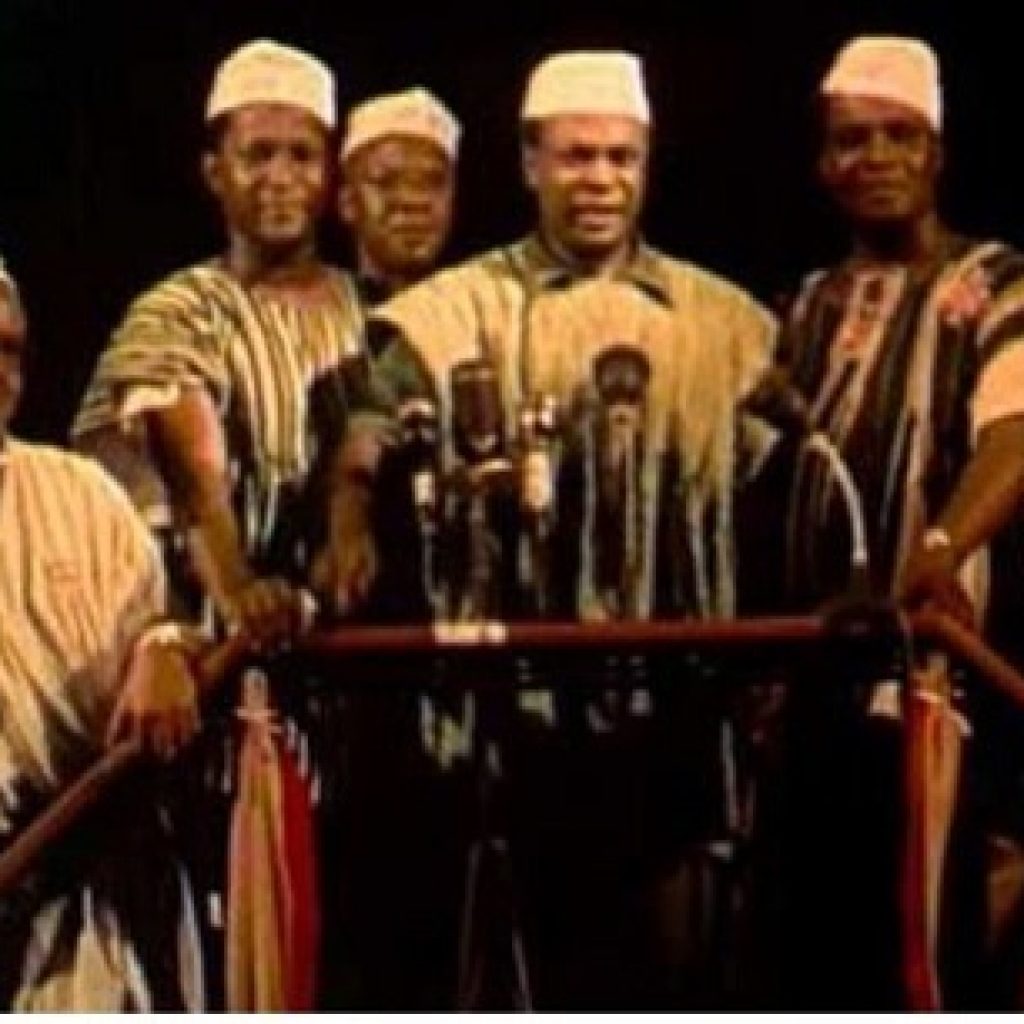
    In Nkrumah’s moving speech in the early morning of March 6, 1957 at the Accra Polo Grounds, he proclaimed the expectation and the hope of Ghanaians, the rest of Africa and the world for the new homeland of Ghana. 

    There was a new hope for prospects because the opportunity had been offered the people to determine their own destiny and affairs. The independence journey had been tortuous and at certain stages uncertain. There had been difficulties, imprisonments, hardships, suffering and deaths. 

    Quite rightly the people had cause to jubilate.

    On the occasion of 66 years of nationhood, therefore, the Daily Graphic joins all Ghanaians to congratulate ourselves on the feat that we have chalked up over the years. We have not been a total disappointment; certainly, we have built on what was bequeathed to us by our forebears and we must have cause to celebrate. 

    The country has seen tremendous improvements in its Human Development Index (HDI), indicating progress in life expectancy, adult literacy and combined secondary and tertiary school enrolment, and real GDP per capita.  Until 2020 when the COVID-19 pandemic struck the country, we were one of the fastest growing economies. 

    We have a thriving, stable and deepening democratic governance and a high degree of media freedom that are the envy of many.

    We must be encouraged by these and pat ourselves on the back for our efforts. But as we do this, we must understand that all is not rosy. It does not also mean that we could not have done better. There are many challenges that we need to work on in order to experience the rapid and accelerated development we yearn for.

    Currently, the country is in dire economic straits, with our debt to GDP growing to unsustainable levels. This is the time we need all citizens on board to help turn the situation around. We need the understanding and support of citizens for policies and measures to build a strong socioeconomic foundation. Something that will provide economic freedom and curtail our dependence on foreign aid, to lead the country to move away from the source of economic growth where we rely on extractive and capital-intensive services that do not directly help in reducing poverty. 

    We must immediately also work on our political psyche to move away from the acrimony, mistrust and suspicion that have become synonymous with our society. Our political actors, especially, owe the nation a duty to lead this charge. The Daily Graphic won’t mince words in pointing out that they are the primary source of this unfortunate state of affairs. 

    As our schoolchildren, the security agencies and others march today to mark our 66th Independence Day, we mustn’t see it as just an occasion for the fun of it. We must reflect on the whole essence of independence. The Daily Graphic points to an excerpt from one of Dr Nkrumah’s speeches that “. . . from now on, today, we must change our attitudes and our minds. . . . and that [our current state] entails hard work”.

    Ghana must demonstrate to the world that it is prepared to build on our foundation, but we must admit that reshaping the destiny of this country depends on us all.

  • We must deal with air pollution

    abtvgh.com / march 05 2023

    Last week, the Environmental Protection Agency (EPA) sounded the alarm over the worsening air quality in the country.

    The Executive Director of the EPA, Dr Henry Kwabena Kokofu, stated that the agency’s Air Quality Index station at the University of Ghana had recorded dust particles ranging from moderate, unhealthy to very unhealthy air from February 16, 2023, with the situation getting into hazardous levels on February 18 and 19.

    The EPA added that the high particulate levels, which were above the World Health Organisation and national limit, could cause irritation of the eyes, nose and throat.The Ghana Meteorological Agency (Gmet) had earlier observed dust movement on its satellite from the Sahel region, including Niger and Chad, heading to Ghana.

    Members of the public have, therefore, been advised to start wearing nose masks and also restrict their patronage of outdoor activities and remain indoors as much as possible to avoid frequent attacks.

    Although the harmattan season (between November and March) is often associated with dusty weather conditions, the EPA boss warned that what was happening in the country was extraordinary. He stressed that the situation was not entirely a natural phenomenon as human activities also contributed to it.The Ghana Health Service (GHS) also warned that individuals who exposed themselves to particles emitted into the atmosphere risked contracting respiratory-related diseases.

    Adding her voice to the matter, a Deputy Director, Institutional Care Division at the GHS, Dr Mary Enyram Ashinyo, said persons who were already suffering from breathing difficulties and other respiratory diseases could compound their conditions if they ignored precautionary measures during this period.

    Just like the EPA, Gmet and the GHS, the Daily Graphic is worried about the bad air quality in the country, especially in commercial cities. 

    The paper has observed with grave concern certain unguarded human activities that contribute to air pollution. For instance, on a daily basis, some parts of Accra are engulfed with thick, dark smoke as dealers in scrap metal burn electronic waste to extract useful matter. In the process, they discharge toxic gases into the atmosphere. 

    There is also the big issue of vehicular emissions that has become a canker in many cities.  As rickety and overage vehicles plying our roads emit volumes of poisonous gases into the atmosphere, they pose serious health threats to the public and injure the environment. 

    It is also common to see some food vendors cooking in open spaces using firewood and charcoal. 

    The Daily Graphic believes that there is the need for concerted effort to tackle the menace of air pollution in the country.  Related state agencies must work together to enforce standards and regulations that will help to reduce air pollution. 

    While the EPA has the ultimate mandate to ensure that the environment is protected, it is important for the other related state agencies to brighten their little corners to help address air pollution. 

    In that regard, the Driver and Vehicle Licensing Authority needs to take steps to deal with the menace of rickety vehicles on the road to reduce vehicular emissions. 

    There is the need for emission testing to be incorporated into the vehicle testing regime to address this challenge. 

    The metropolitan, municipal and district assemblies must also implement bye-laws and regulations that would help to stop open space burning of waste. 

    In the wake of the global climate crisis, we cannot continue the business-as-usual attitude towards the environment. We have a collective responsibility to help address air pollution. After all, the consequences of air pollution spare no one.

  • Let’s support EC to achieve its mandate

    abtvgh.com / editorials / mar/03/2023

    Since Ghana returned to democratic rule in 1993, there has been a continuous improvement in its electoral processes to ensure transparency, fairness and credibility at the polls.

    From the era of opaque ballot boxes, the country’s electoral processes have improved to include the use of transparent boxes, biometric verification processes, the use of the images of candidates and their party symbols on the ballot papers.

    Indeed, all these improvements have contributed to Ghana being touted as one of the best democracies in Africa.

    However, these changes have often come with disagreements among key stakeholders, particularly, the political parties, civil society organisations and the electoral management body.

    The disagreements have also come about basically because of the timing of the changes and suspicions that the electoral management body was doing so to the advantage of an incumbent government.

    It is, therefore, not surprising that since the Electoral Commission (EC) made its intention clear to use the Ghana Card as the only source of identity for its continuous voter registration, there has been a lot of backlash not only from some political parties, civil society organisations but one of its former chairpersons, Dr Kwadwo Afari Gyan, who believes that the EC must tread cautiously.

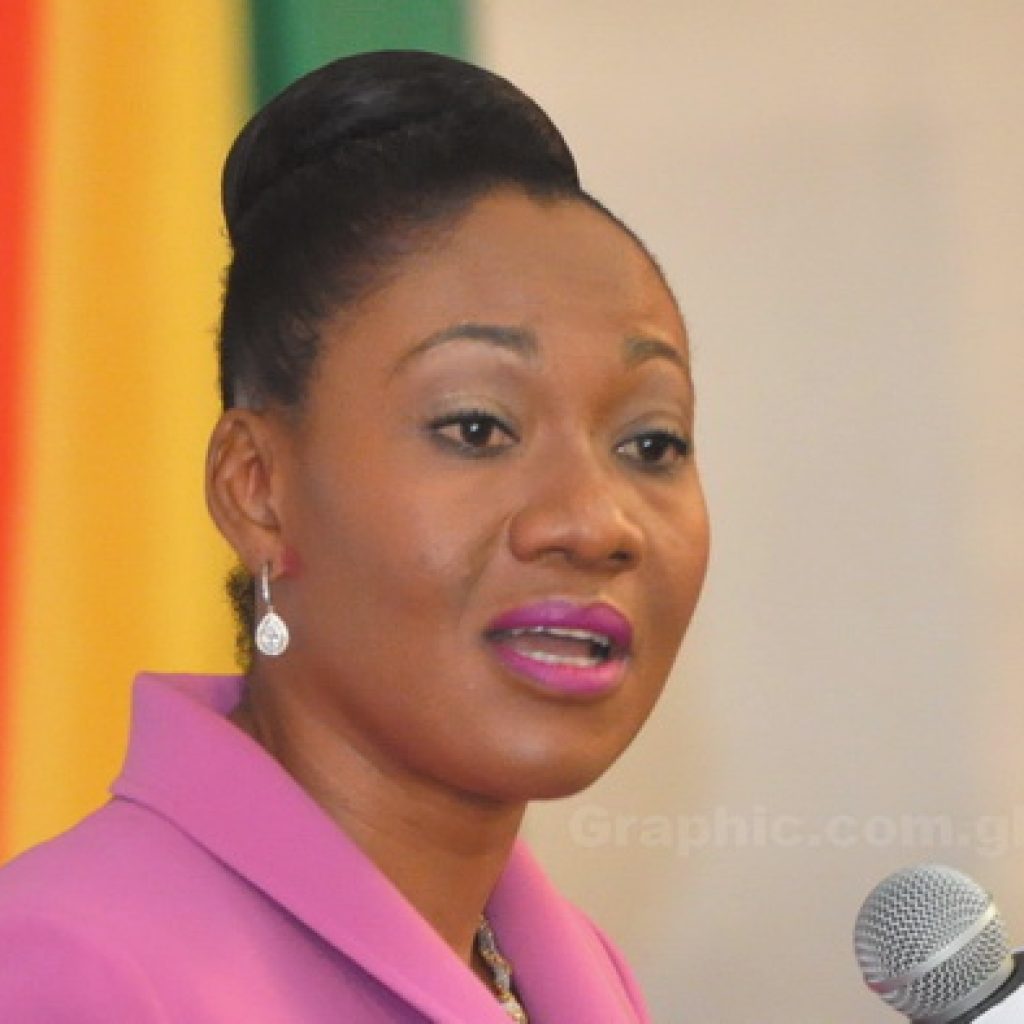
    When the EC Chairperson, Jean Mensa, appeared before Parliament’s Committee of the Whole last Tuesday, she reiterated the need to use the Ghana Card as the sole identification document for continuous voters’ registration to guarantee the credibility and integrity of the country’s voter register and aid elections as a whole.

    According to her, the use of the Ghana Card as outlined in its new Constitutional Instrument (new draft Public Elections (Registration of Voters) Regulations, 2022) before Parliament seeks to promote the continuous registration of voters and advocates an all-year round registration of eligible voters at the district offices of the EC.

    The concerns of opponents of the Constitutional Instrument have to do with the accessibility of the Ghana Cards, the alleged selective successful registration in some regions while others are under-registered.

    To the Minority caucus, the use of the Ghana Card as the sole identification document will disenfranchise potential voters.
    It does appear then that the accessibility of the Ghana Card is a major hindrance to this new initiative of the EC to enhance the credibility of the electoral roll.

    Fortunately, the Executive Secretary of the National Identification Authority (NIA), Professor Ken Attafuah, and the Minister of Finance, Ken Ofori-Atta were in the House to give assurances of registering Ghanaians and making the cards available to all qualified persons entitled to be registered.

    The assurances were as a result of the concession by the NIA of its indebtedness to the service provider resulting in some cards being locked up at a bonded warehouse.

    But our concern has to do with those whose cards have been printed — 642,403 nationwide — but have not gone for them from the NIA offices.

    Whereas it might be easy blaming those persons yet to collect their cards, it is important for the NIA to review its processes to make it easy for people to pick up their cards.

    We are aware of some Ghanaians in Accra who have had to visit about three assemblies to collect their cards without success until they turned to the headquarters of the NIA for assistance.

    We believe that if the NIA puts the right processes in place, including a tracking system for beneficiaries to easily trace where their cards are, it will encourage many Ghanaians to register and collect their cards.

    The abtvgh.com looks forward to an era where the EC will introduce an electronic voting system that will even make voting, collation and declaration of election results more transparent and quicker to improve the integrity of our electoral system.

    We, therefore, call on all stakeholders to jaw-jaw to find a middle ground to calm the nerves and tension associated with every election we have had since 1992.

    We believe that the disagreements over the use of the Ghana Card as the sole source of identification can be resolved if the NIA is able to deliver to the satisfaction of all the stakeholders, particularly the political parties and those seeking to register or yet to collect their cards.

    We can only improve our electoral management system and not go back to the early days.

    Let us all support the EC to achieve its agenda as it will boost the image of the country.

  • Shell to exit South Africa’s downstream sector

    Oil major Shell will divest its majority shareholding from a local South African downstream unit after a comprehensive review of its businesses across all regions, it said on Monday

    reuters.com /  International News /

    “As a result of this review, Shell has decided to reshape the downstream portfolio and intends to divest our shareholding in SDSA … this decision was not taken lightly,” a Shell statement said. It did not specify when the decision took effect.

    Shell Downstream SA (SDSA) was formed after Shell South Africa and black empowerment company, Thebe Investment Corporation, agreed a decade ago to merge Shell South Africa Marketing and Shell South Refining businesses. Thebe held a 28% equity stake.

    Shell, which has been present in South Africa for more than century, is still exploring the country’s offshore, incurring opposition from environmental campaigners who have launched court action.

    During the divestment process, Shell said on Monday it would work to preserve SDSA’s operating capabilities and maintain its brand presence.

    A Thebe spokesperson was not immediately available for comment.

    One of SDSA’s main assets and South Africa’s largest refinery, Sapref, in the east coast port city of Durban has not been operating since 2022 when Shell and its refinery joint venture partner, BP, decided on a spending freeze and halt to the refinery’s operations.

    Flooding along the coast that killed nearly 400 people that same year severely damaged the plant, which at that stage provided around 35% of South Africa’s refining capacity.

    South Africa’s Central Energy Fund said two years ago it was interested in Sapref, which has a nameplate capacity of 180,000 barrels per day, as it seeks to overcome energy security concerns.

    On Monday, an energy official, speaking on condition of anonymity, said CEF had signed a non disclosure agreement with the parties involved and therefore could not comment.

    South Africa is a net importer of refined petroleum products, a challenge exacerbated since the closure of Sapref and the country’s second largest refinery Enref, also in Durban.

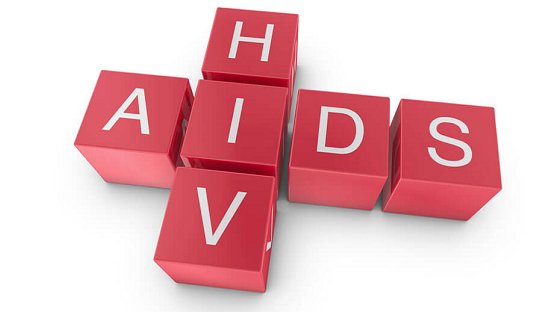
  • Let’s create HIV-free nation for children

    The United Nations Children’s Fund (UNICEF) observes that although strides have been made in the HIV response, children are still affected by the epidemic.

    Pediatric HIV is the infection of HIV in neonates, children and adolescents. Globally, approximately 1.8 million children and adolescents below 15 years are said to be living with the disease, with 91 per cent of them residing in sub-Saharan Africa. As of 2021, roughly 14.9 million children under 18 had lost one or both parents to AIDS-related causes. Millions more have been affected by the epidemic through a heightened risk of poverty, homelessness, school dropout, discrimination and loss of opportunities, as well as COVID-19. These hardships the UNICEF says include prolonged illness and death.  Of the estimated 650,000 people who died of AIDS-related illnesses in 2021, UNICEF further reveals that 110,000 or approximately 17 per cent were children under 20 years. In Ghana, as of 2017, about 33,000 children were living with HIV and AIDS, majority of them infected by mother-to-child transmission. In 2019, there were 19,931 cases of new HIV infections, with 3,317 of them being children. However, the estimated number of annual AIDS deaths was 14,181, out of which 2,769 were children aged zero to 14 years. The Ghana AIDS Commission (GAC) records that in 2019 alone, 2,791 babies were born HIV positive. Also, from the 2018 national estimates, the estimated number of people living with HIV and AIDS was 334,713, out of which 29,514, that is 8.8 per cent, were children between the ages of zero and 14 years. There were also 19,931 cases of new HIV infections, with 3,317 of them being children. However, the estimated number of annual AIDS deaths was 14,181, out of which 2,769 were children aged zero to 14 years.

    According to the National STIs and AIDS Control Programme (NACP), the HIV population among children aged one to four years was 7,699 in 2020, while new infections in children of the same age group in 2021 were 443.

    As a country, Ghana has, over the years, increased the number of health facilities providing services for the prevention of mother-to-child transmission (PMTCT) of HIV by 7.5 per cent, from 3,750 facilities in 2017 to 4,056 in 2018.

    The PMTCT is the main strategy to reduce HIV transmission from HIV-infected mothers to infants.

    The strategies being employed currently are said to be generating demand for PMTCT services, the provision of HIV testing services (HTS) for pregnant women and linking HIV-positive pregnant women to care and the provision of treatment, care and support for HIV-positive mothers and HIV-exposed infants (HEIs).

    Today, HIV treatment is far advanced. One or both parents living with HIV can still have babies who are HIV negative. There are medicines and formulations that suppress the virus and render it impotent called antiretroviral medicines (ARVs). 

    The number of pregnant women living with HIV who delivered and received ARVs in 2018 was 12,950, with approximately 87.5 per cent of them being newly initiated during their current pregnancy. 

    However, the estimated coverage of pregnant women living with HIV who received ARVs for preventing mother-to-child transmission was 78.9 per cent.

    The ARVs are to help in the reduction of new HIV infections, but, according to the Programmes Manager of the NACP, Dr Stephen Ayisi Addo, pregnant women were not adhering to them.

    He has, therefore, advised pregnant mothers to get tested for HIV during antenatal clinics (ANCs) for those who will test positive to be quickly put on treatment to prevent the transmission of the disease to their babies.

    The Daily Graphic would want to identify itself with this advice, as it is vital that mothers who go for antenatal services ensure that they test to know their HIV status and enrol onto treatment, if tested positive, to ensure that no baby is born with HIV. This way, the nation can have a generation who will be free of HIV.

    The paper also calls for continuous capacity building and training of health personnel to create awareness and the need for virological tests to be carried out for all HIV-exposed infants.

    At all ANCs and health centres, pregnant women are offered prevention of mother-to-child transmission of HIV services in order to protect the mothers and their unborn babies and, therefore, the paper encourages all HIV-positive mothers to take full advantage of these services to ensure that their babies are born HIV free.