Category: Gossip

  • Plastics are swallowing us

    Abtvgh / GNPAP

    Consumption patterns and current changing economic structures all over the world have led to a sharp increase in the use of plastic and the subsequent generation of waste.

    Indeed, the durable nature of plastic and the many uses it can be put to have led to its increased use over the years.

    Apart from these qualities, plastic is versatile, flexible, light, strong and relatively less expensive.

    These features have led to the level where some schools of thought even assert that there is over-consumption of plastic goods across the globe, and that something drastic must be done to halt the situation.

    Those with such opinions cannot be blamed, and their views can also not be discounted.

    But the slow pace at which plastic degrades, coupled with the challenges with its disposal, littering and its attendant pollution of the environment, has brought the use of plastic into question.

    In Ghana, data suggest that most products are packaged in polyethylene bags, which form about 70 per cent of municipal waste.

    Also, over 10,000 metric tons of finished plastic products are imported into the country annually.

    It is also said that Ghana’s population of more than 30 million people generate over 3,000 tonnes of plastic waste across the country daily.

    The fact that plastic bags take between 10 and 1,000 years to decompose, while plastic bottles can take 450 years or more, should send shivers down the spines of environmentalists and well-meaning citizens.

    This fact is critical, viewed against the backdrop that researchers have issued warnings that the impact of plastic on the soil, sediments and freshwater could have a long-term negative impact on such ecosystems, and that the threat is bigger on plants, animals and humans.

    Currently, almost all of the plastic waste flow into the ocean.

    By 2050, there could even be more plastic in the sea by weight than fish.

    Not so long ago, the Ghana Ports and Harbours Authority expressed worry that plastic pollution of the sea posed safety challenges for vessels.

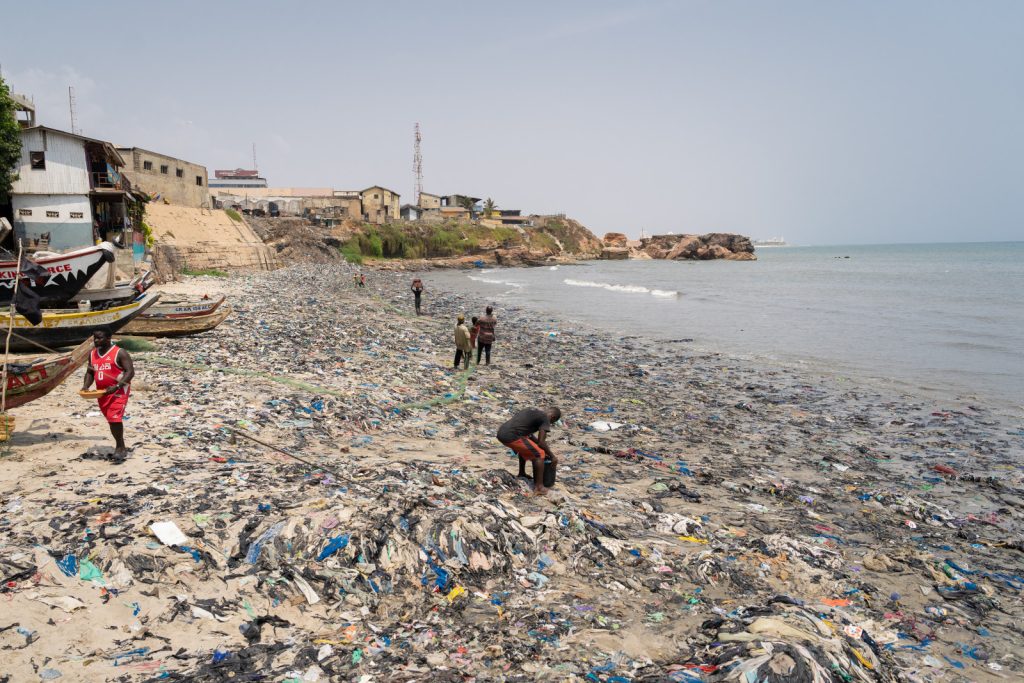
    The massive heaps of plastic waste, made up of empty bottles, grocery bags, among others, strewn along the beaches are a very disturbing sight.

    In spite of these, we note the role plastic has played in our development as a country.

    One cannot imagine where the huge masses engaged in the plastic value chain would have found employment.

    Certainly, the plastic industry has contributed to solving part of our unemployment problem.

    The plastic menace has thus become a mixed bag for us as a country.

    As we brood over the complexities of plastic waste generation, stakeholders at a roundtable on addressing plastic waste have reiterated the need to sensitize the public and create awareness of plastic pollution.

    They argued that plastic was not evil, as claimed, but rather their poor disposal made it harmful to the environment.

    The stakeholders said there was the need for behavioural change to create a positive impact on the disposal of plastic waste.

    The Daily Graphic recalls the launch of the Ghana National Plastic Partnership Action Plan that was to be the game-changer in the management of plastic in the country.

    We have also had hints from the Environmental Protection Agency of a possible ban on single-use plastics.

    But these seem not to have been implemented effectively because of the adverse effects they will have on employment and the economy in general.

    It is for this reason that we urge the ministries, departments and agencies responsible to consider the proposal by the stakeholders and see how best such ideas could be incorporated into the national plan to create a balance between fighting the plastic waste menace and safeguarding the welfare of the people without necessarily destroying the livelihood of the masses engaged in the sector.

    This will create a win-win situation not only for the players in the industry, but for the general health of the national economy.
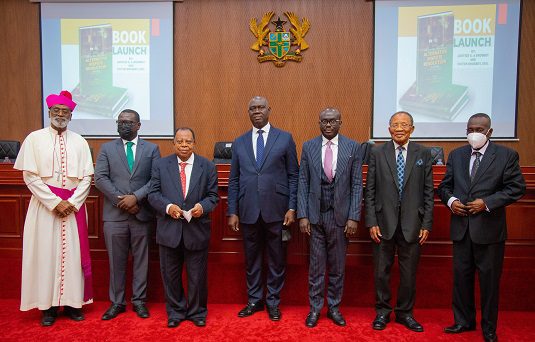
  • Integrated Hydro-Informatics: Lower Volta Flood Plain disaster management

    Abtvgh /VRA

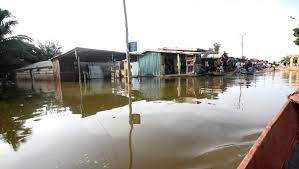
    This article is situated within the context of the flooding that began on October 9, 2023, which is associated with Volta River Authority’s (VRA) standard operations of spilling excess water to safeguard the integrity of the Akosombo and Kpong Hydropower dams.

    On Wednesday October 5, 2022, hundreds of houses were reported submerged at Oblogo, Tetegu, New Weija, SCC, Tatop, Sampa valley, parts of Top Town and American Farm at Ngleshie Amanfro following the opening of the Spill gates of the Weija Dam by the Ghana Water Company Limited (GWCL), which caused the destruction of vehicles, home appliances and personal effects running into millions of Ghana cedis.

    A year on, in October 9, 2023 an even stronger flooding was reported at downstream communities specifically, South, Central and North Tongu, Shai Osudoku, Anlo, Ada East and Asuogyaman after the double-stage spillage of the Akosombo and Kpong Hydropower facilities by the VRA, which effect on life and property is not dissimilar from the GWCL spillage in 2022.

    In order to strengthen infrastructure monitoring for flood risk reduction in the face of changing global environment associated with climate variability, a three-step solution is recommended. 

    One, strengthened collaboration between the Water Resources Commission (WRC), the Ghana Meteorological Agency (GMET) and the Hydrological Services Authority (HSA) to build an Integrated Hydro Informatics Management System (IHIMS) on future Climate Scenario Models and System Dynamics for qualitative and quantitative monitoring and data analysis. 

    This requires a basin-wide installation of stream gauge networks and sensors.

    Then two (2), data exchange between upstream Riparian regions and their activities on the system, then three (3), granting water infrastructure institutions system access. 

    A Flood Early Warning System could be a sub-component within the larger IHIMS.

    This will strengthen our flood emergency preparedness through the collection of quality data, analysis and forecasts to minimise the scale of damage going forward.

    We hope the floods will go away, but experience has shown that it is here to stay.

    So, we need to strengthen our adaptability for an improved disaster management.

     Mark Benyah,

    Water Resources Development and Management Consultant.

  • Cocoa rehabilitation initiative commendable

    Abtvgh / COCOBOD / CSSV

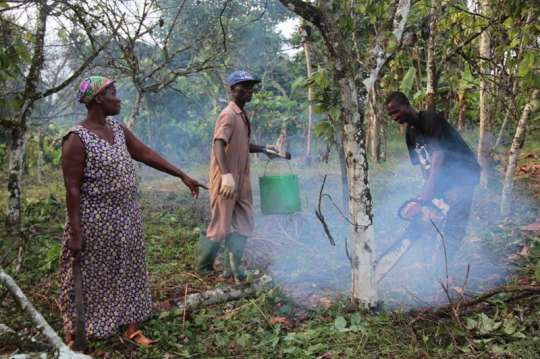
    Cocoa production is at the core of the country’s economic growth and development, and so the rehabilitation of cocoa farms is essential in ensuring the long-term sustainability of the sector.

    The cocoa sector is. however, under serious threat due to climate change, diseases, moribund farms, overage tree stocks, an ageing farmer population, an acute labour shortage and other factors.

    This has resulted in the dwindling productivity of the cocoa sub-sector, although deforestation for cocoa farmland expansion poses significant long-term risks to ecosystem stability and environmental conservation.

    In spite of the growing global demand for chocolate, cocoa farmers see lower incomes due to poor agricultural techniques, lack of investment and a reduced productivity of their lands.

    Cocoa replanting and rehabilitation efforts are therefore crucial to the sustainable production of the crop along the trail to redefine a paradigm shift from extensive to an intensive production system.

    From the sustainability point of view, intensive cocoa production will reduce pressure on deforestation and facilitate the speedy restoration of some degraded farmlands.

    That is why the Abtvgh welcomes the cocoa rehabilitation programme to increase the country’s production of cocoa which currently stands around 800,000 tonnes per annum to an estimated 1.5 million tonnes in the next five years.

    Currently, it is estimated that Ghana has more than 2.5 million hectares of cocoa areas of which about 1.45 million hectares are considered to be productive areas.

    There are a number of diseases that affect the cocoa pod, but the most common disease in West Africa – where about three-quarters of the world’s cocoa is produced – is the Cacao Swollen Shoot Virus (CSSV).

    Abtvgh, therefore, commends the government for the large-scale rehabilitation of cocoa farms affected by the swollen shoot disease to reverse the declining cocoa production in the country.

    For the cocoa farmers, what they require most are short-and long-term financial assistance and technical help to enforce the required farm improvements.  

    We are happy to note that, so far, most of the rehabilitated farms are producing high yields, according to the Chief Executive of the Ghana Cocoa Board (COCOBOD), Joseph Boahene Aidoo

    It is our hope that COCOBOD schemes and programmes that seek to train farmers to produce cocoa that conform to global demands and standards, to increase production and income, would be strictly enforced as well as broadened to cater for practical field training and periodic supervision to help farmers gain the requisite knowledge and experience in proper farm management.

    We again urge the government to take a second look at the country’s inputs supply structure and restructure it to meet the pressing demands and needs of the farmers.

    For instance, the fact that inputs are not readily available in local stores, even when the farmers can afford them, is an indication of an ineffective inputs supply structure.

    Lastly, the government should recognize the role of women in the various stages of cocoa production and introduce policies that will attract more women into the sector, and also provide financial assistance to make cocoa farming attractive to the youth as a measure to tackle high rural unemployment, increase annual yields and foreign exchange revenues, reduce rural-urban migration and help alleviate rural poverty.

  • Election 2024: Ghana Card sine qua non

    Abtvgh / NIA

    Identity documents, the commonest being national identity cards, allow people to exist in the eyes of society.

    Citizens use them whenever they need to prove who they are or where they come from, to fulfil their civic duties or cross borders.

    Without a legal identity document, citizens cannot access basic human rights such as health care, education, social welfare and the right to work, yet around a third of the world’s population lack an official ID.  

    While some countries are now grappling with the challenges and potential benefits of registering all residents, the United Nations goal of “legal identity for all” by 2030 remains  distant.

    For governments, who have the ultimate responsibility to provide their citizens with a proof of identity, offering them robust and long-lasting documents to protect their identities is crucial.

    Ensuring that civilians can rely on these secure documents to conveniently access the necessary services in the physical and digital world must also be a top priority.

    Across the globe, legal identification is required for essential tasks such as opening a bank account, accessing government assistance and services, and performing civic duties.

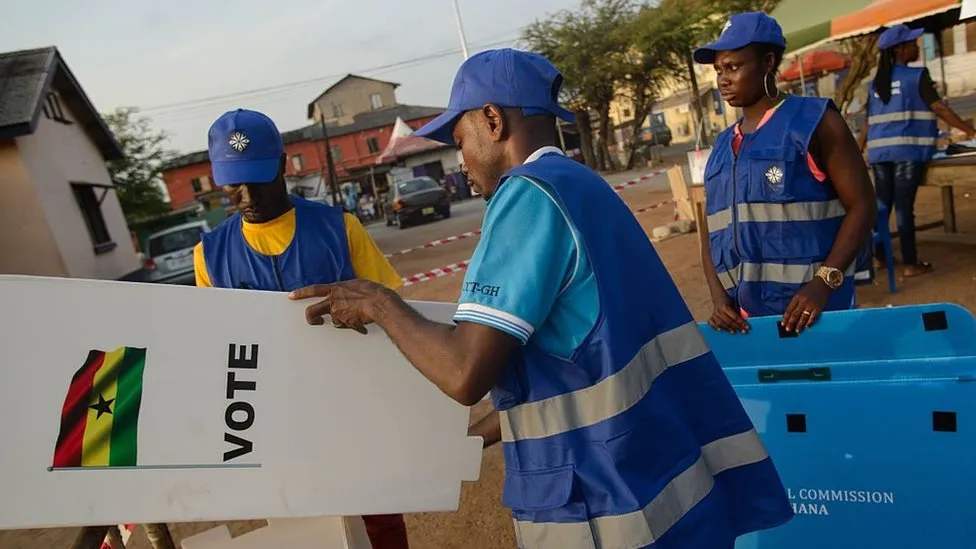
    Thus, in Ghana when moves were initiated to enable citizens and foreigners living in Ghana to own and acquire the Ghana Card, many welcomed the news.

    Unfortunately, the process of acquisition has been plagued with logistical challenges, especially the prompt release of funds to ensure that the card is made available to those who desire it.

    The need to discuss the Ghana Card and the challenges around its issuance cannot be overemphasised, especially when the Electoral Commission (EC) stated last week Thursday that the guarantor system had outlived its usefulness, hence the need for the adoption of a system that would ensure that every registrant was identified on his or her own merit rather than another person vouching for the age and nationality of that person (See Friday, September 19, 2023, Daily Graphic, pages 10 and 23).

    Some people may disagree with the EC on the grounds that not every Ghanaian has the Ghana Card or that the guarantor system had been with us since time immemorial. Some even argue that the NIA also uses the guarantor system to issue cards to qualified people.

    But for how long do we have to use the guarantor system in every registration exercise?

    Even if the NIA uses the guarantor system, would it not be easier for applicants of the voter ID cards to use the Ghana Card to facilitate the process?

    Indeed, many civil servants and public sector workers are yet to receive their salaries for the month of September because they have been asked by their various agencies to produce their Ghana Card for validation before they are paid.

    It is a fact that this is not the only time government workers have been asked to produce one form of identification or another before being paid.

    In its limited voter registration, pictures and videos have gone viral on social media of minors and in some instances, applicants alleged to be foreigners, seen trying to register for the voter ID.

    By the 16th day of the registration, the EC had recorded a total of 7,561 challenged cases in all the Registration Centres, constituting 1.12 per cent of all the registered voters.

    This raises a lot of concern and we believe that all the relevant stakeholders – political parties, civil society organisations and parents – have a responsibility to deal with the canker of minors and foreigners taking advantage of the guarantor system to register.

    Our democracy would be better if we help the EC to keep a credible voter register.

    We, therefore, urge eligible Ghanaians who are yet to secure the Ghana Card to do so before the next window of the registration exercise opens next year.

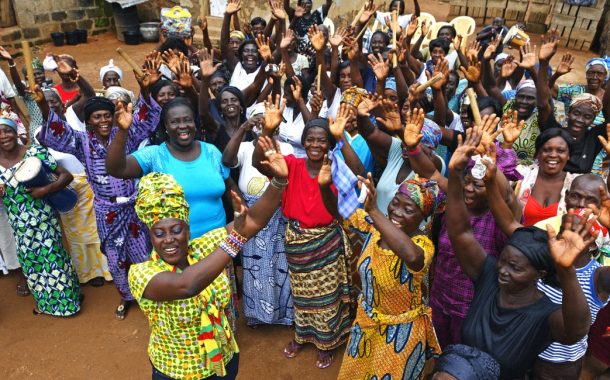
  • Lack of women empowerment stagnates progress

    Abtvgh / SDG

    Gender equality is not only a fundamental human right, but a necessary foundation for a peaceful, prosperous and sustainable world

    Goal Five of the Sustainable Development Goals (SDGs) aims at achieving gender equality and the empowerment of all women and girls.

    Although statistics across the world shows that there has been progress over the last decades, the world is not on track to achieve gender equality by 2030.

    Only two countries, Rwanda and South Africa, are among the world’s top 20 best countries for women, according to the World Economic Forum’s report.

    Available evidence shows that women and girls represent half of the world’s population and therefore half of its potential.

    But gender inequality persists everywhere and stagnates social progress.

    On the average, women in the labour market still earn 23 per cent less than men globally and women spend about three times as many hours in unpaid domestic and care work as men.

    Also, sexual violence, exploitation, the unequal division of unpaid care, domestic work and discrimination in public office, continue to remain huge barriers.

    That is why, on June 17, 2023, the Organisation of African First Ladies for Development (OAFLAD) and partners launched #WeAreEqual, a year-long unifying campaign that calls for urgent action to advance gender equity and close the gender gap in Africa.

    #WeAreEqual focuses on key action areas, including health care, gender-based violence, education and economic empowerment.

    The campaign seeks to raise awareness of the power of gender equity and calls on African leaders to take action now by addressing the root causes of gender inequality and fostering collaboration among diverse partners.

    To bring the campaign home, the First Lady, Rebecca Akufo-Addo, on August 28, 2023 launched the #WeAreEqual campaign in Ghana as part of the strategic measures to fight for gender equality that will enable girls and women to contribute their quota to the development of the country.

    Launching the campaign, she said: “The fight for gender equality is an age-old one.

    Sadly, it is a fight that has not been won.

    Even though the global gender gap has been narrowing, we need a lot more urgency and action to make very significant impact.

    When women and girls, representing about half of our society, have equal access to health, education and skills, and are free from gender-based violence, they can contribute their quota to the development of our nation”.

    Achieving gender equality is critical to driving social and economic progress for all in building the world that we want.

    As a society, we cannot collectively move forward to achieve these goals if we are only lifting one foot off the ground.

    The Daily Graphic believes that when women are empowered it results in closing the gender gap and unlocks the full potential of our society, as evidence from around the world has proved that gender equality drives social and economic progress for all.

    Through a concerted effort, we can create a future where gender equity is not only a goal, but a lived reality for everyone, transforming societies and building a more just and inclusive world.

    The paper also agrees with OAFLAD that everyone has a role to play in bringing attention and urgency to this issue.

    Participation and commitment from governments, civil society organisations, international bodies and individuals are critical to advancing gender equity and that driving meaningful change requires continuous advocacy, policy reforms and allocation of resources to address the root causes of gender inequality and create enabling environments for women and girls to thrive.

    There is an urgent need for concrete action and policy change to advance gender equity as gender-sensitive and gender-focused policies when implemented with adequate funding and full commitment can contribute to creating more inclusive and equitable societies.

    We call for gender-responsive laws that protect and enshrine women’s rights, policies and laws that prioritise gender equity because they are crucial for driving meaningful change.

    To ensure fairness, strategies and measures must often be available to compensate for women’s historical and social disadvantages that prevent them from otherwise operating on a level playing field.

  • Examination malpractice: Let’s instil right values in our children

    Abtvgh / Waec / GES

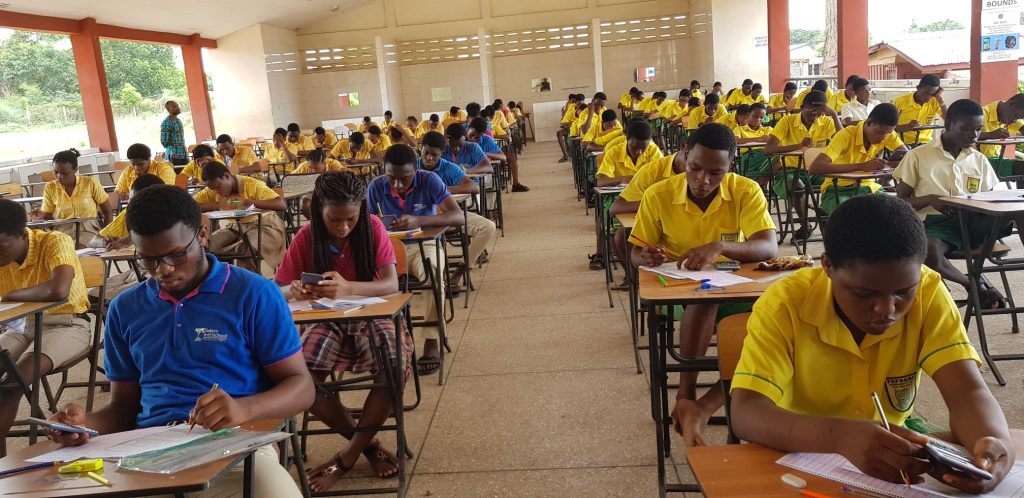
    The silence of the activities of rogue websites since the beginning of this year’s West African Senior School Certificate Examination (WASSCE) gave the public some hope that at least, for the first time in recent years, the examination would pass without the usual headlines, mostly for the wrong reasons.

    This went on until last week Saturday when the headline “WAEC uncovers WASSCE cheats” trended and indeed, is still trending, emanating from a press conference organised by the West African Examinations Council (WAEC).

    The conduct of teachers, some of whom were picked up raised eyebrows regarding the actions of the very people detailed to take care of the examination centres.

    At the press conference, the council announced that it had uncovered a grand scheme by some school authorities and candidates to cheat in the ongoing WASSCE, leading to some arrests

    WAEC said during an operation by its specially trained monitoring agents, many candidates were caught with mobile phones and other electronic gadgets in the examination halls.

    The Daily Graphic finds this unacceptable, recalling how one of the examination invigilators, the late Asare Minako, who insisted on preventing candidates from carrying mobile phones into the examination hall on October 11, 2005, was brutally murdered by the candidates.

    To ensure that such a heinous act does not get lost in history, the WAEC named one of its foremost centres after this committed personality who wanted to maintain the sanctity of examinations conducted by the council.

    It is common knowledge among teachers and students, particularly candidates preparing to write or who are writing any examination administered by the WAEC that carrying mobile phones into examination halls or even within the premises of an examination centre attracts outright cancellation of the entire examination of any candidate caught in the act.

    To ensure that this punitive measure does not come as a surprise to anybody, the WAEC every year, before the beginning of both WASSCE and the Basic Education Certificate Examination (BECE), embarks on a sensitisation drive for both candidates and parents as well as the general public on the dos and don’ts of the examinations.

    In this whole enterprise, parents and teachers have a crucial role to play because they are very much involved in the early development of children.

    It is important parents do not give their children the wrong impression that they can do anything under the sun and get away with it.

    The Daily Graphic is worried that after the WAEC worked hard to block the loophole of the activities of rogue website operators, teachers, in whose hands the children are entrusted to prepare them for the examination, are rather inculcating wrong habits into them.

    What a shame!

    We are wondering if this is a testimony that the teachers are not teaching well or that they do not complete the various syllabi before the conduct of the examination and so, in order not to be blamed they engage in such activities.

    The Ghana Education Service (GES) and, for that matter, the Ministry of Education has trumpeted the issue of contact hours as the reason for Ghana to continue  writing the Ghana-only version of the WASSCE.

    We dare say that those teachers involved in such acts are an embarrassment to the teaching profession and must bow their heads in shame.

    The Daily Graphic is at a loss as to why teachers, who are to guide and direct the children to be law-abiding citizens should be the very ones supporting the children to cheat.

    We call on WAEC to enforce its rules and regulations to serve as a deterrent to other students.

    Ghanaians are waiting to know the number of candidates who were caught with mobile phones and smartwatches in the examination halls as promised by the Head of Public Affairs of WAEC, John Kapi, by the close of this week.

    All Ghanaians must work to ensure that the certificates issued by WAEC remain relevant and respected globally.

    This can only be done through the collaboration of all and not only WAEC.

    Security is a shared responsibility and not for the police or the security services alone; we all have a role to play.

  • It’s time to move along with both boys and girls

    Abtvgh /WAEC

    In July this year, a former Head of the National Office of the West African Examinations Council (WAEC), the Very Rev. Dr Nii Nmai Ollenu, wrote an article titled”: “Tears of the boy-child”, which was published in this paper, which sought to alert the authorities that it was about time we gave due attention to the boy-child as we did to the girl-child.

    His article was premised on the fact that currently the boy-child population in the second cycle schools was dwindling as compared to the girl-child population, citing, for instance, that records available suggested that the girls were leading the boys in both enrolment and academic performance. 

    For example, statistics from WAEC, Ghana show that from the period 2006 – 2022, the winners of the first three positions in the Distinction Awards of the West African Senior School Certificate Examination (WASSCE) are 46 in all. 

    Out of this number, 26 are girls which works to about 57 per cent, and 20 are boys, representing 43 per cent. 

    The current state of the student-gender categorisation is a result of a deliberate effort to reverse a general trend in the country which weighed heavily in favour of the boy-child in the early post-independence period.

    The Daily Graphic recalls in those days the influence of international conventions, such as the “Education for All” and advocacy driven by global happenings, compelled governments to introduce educational policies that supported the girl-child in order to create equal academic opportunities.

    So, over the years, this advocacy has yielded positive results, during which the programme, “Send your girl-child to school,” was pursued.

    Currently, the focus on the girl-child has been taken a notch higher where specific schools such as STEM institutions for girls, Mathematics Workshops for Girls, Robotic and Computer Training for Girls have been tailored for girls. Additionally, special scholarships and concessions are given to the girl-child all in the name of affirmative action. 

    Interestingly, ever since the campaign to get the girl-child into the classroom was mounted, the educational policies in the country seem to have been skewed towards the girl-child.

    This is, particularly, so when schooling has been made compulsory at the basic level and free at the secondary level. Parents have no excuse to prevent the girl-child from going to school.

    Unfortunately, all these are being done without any parallel policy intended for the boy-child.

    For us at the Daily Graphic, the “Send the girl-child to school” advocacy campaign, launched in the 1990s and early 2000s, is long past and what we need now is equality and parity because the country’s economic development indicators require a balance of both males and females.

    As a country, we need to ensure that a blind eye is not turned to the boy-child because the time has come for restrategising and re-directing our focus towards the boy-child.

    It is in this vein that Rev. Dr Ollenu is of the view that it appears as though the modern boy-child is being made to suffer punishment for the iniquities the forebears committed by not sending the girl-child to school. 

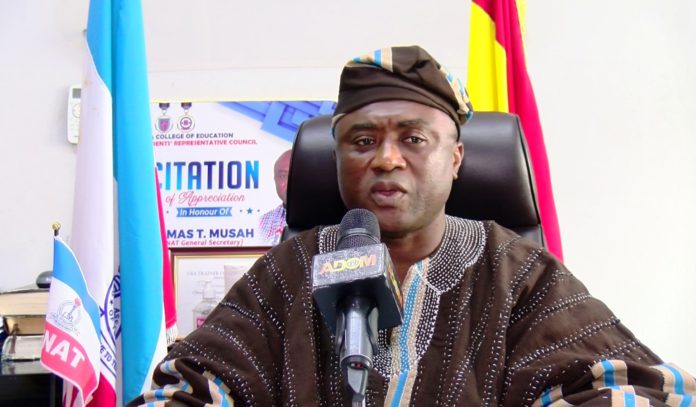
    To support the position of the former WAEC boss, the Ghana National Association of Teachers (GNAT) is calling for sustained efforts by all Ghanaians to encourage and support more boys to stay in school so as to enable them to develop their full potential for national development.

    The association is advocating that initiatives and efforts to motivate boys to go to school and remain throughout their study must be sustained. In this connection, all stakeholders, including organisations, parent-teacher associations, philanthropists and old students need to be actively involved in an all-hands-on-deck approach.

    Let us, as a country, be intentional in ensuring that whatever is done for the girl-child the same must be extended to the boys. 

  • Justice delivery must be expeditious

    Abtvgh / Ghana Judicial Service Delivery improves

    It is a fact that justice delayed is justice denied.

    The effects of a failure to deliver justice on time can have a deleterious impact on the lives of all parties involved, in particular the aggrieved party. 

    This can lead to further violations of fundamental rights.

    The negative effects of such delays are much more pronounced where the matter being litigated or prosecuted involves violation of fundamental rights. 

    Any continued delay of justice constitutes a further breach.

    The net effect of this is to place the state in a bad light in relation to its international law obligations among its peers.

    The Daily Graphic believes that it is with this same conviction that President Nana Addo Dankwa Akufo-Addo last week urged the Judiciary not to unduly delay cases, saying such practice had projected the country as a destination of long litigations. 

    He said judges had been well resourced with case management tools to be effective leaders of their courtrooms and must, therefore, change “the unfortunate situation that affects the attractiveness of the country as an investment destination”.

    President Akufo-Addo made the call after swearing in two female justices of the High Court at the Jubilee House in Accra.

    Tracing the root cause of the undue delay in justice delivery, President Akufo-Addo said until now, it was understood that the common law judge was an independent arbiter who allowed the parties to dictate the pace of cases.

    The Daily Graphic fully agrees with the President on this issue of undue delay because throwing more light on it will push the judiciary to find an immediate solution to this major canker that is hurting the image of not only the judiciary, but the country as a whole.

    In a country where we pride ourselves as the champions of Rule of Law, the Daily Graphic is of the firm belief that under no circumstance should cases be delayed for no clear or tangible reason.

    It is true, as the President alluded, delays had been addressed with the provision of case management in Constitutional Instrument 47 of 2004, including current reforms as contained in Constitutional Instrument 87, in which examination in chief was given in the form of witness statements.

    It is also obvious that even more extensive was the requirement of presenting an accused person with all the evidence and exhibits for prosecution.

    The paper is aware of cases, particularly, issues of land dispute, among others, that have lasted for 10 years or more in court, to the extent that many of the litigants have passed on to glory.

    We have also been informed that most of the delayed cases are as a result of deliberate attempts by counsels of the litigants to buy time to enable them to tackle other matters or pave the way for them to unduly charge their clients higher amounts as a result of the days or years spent in court.

    This is obviously a sad situation because in all these, it is the poor with genuine cases who are denied because they cannot simply afford the expensive delays.

    There is also the perception which has become facts in the minds of some investors that in Ghana, cases are always delayed and therefore, it is not the best place to invest.

    We are deeply worried about these and many other negative sentiments within our judiciary system and we wish to once again add our voice to the President’s call for the judiciary to do all it can within its power to reverse the trend.

    As indicated, the dispensation of justice requires that the application of the laws of the land must occur without fear or favour, affection or ill will and without recourse to political, religious or ethnic affiliations of any persons before the court.

    When a person falls foul of the law, that person, high or low, must be dealt with accordingly and the law enforcement agencies, including judges, must ensure that is done because as the President unambiguously put it, “That is the true meaning of the concept of equality before the law.”

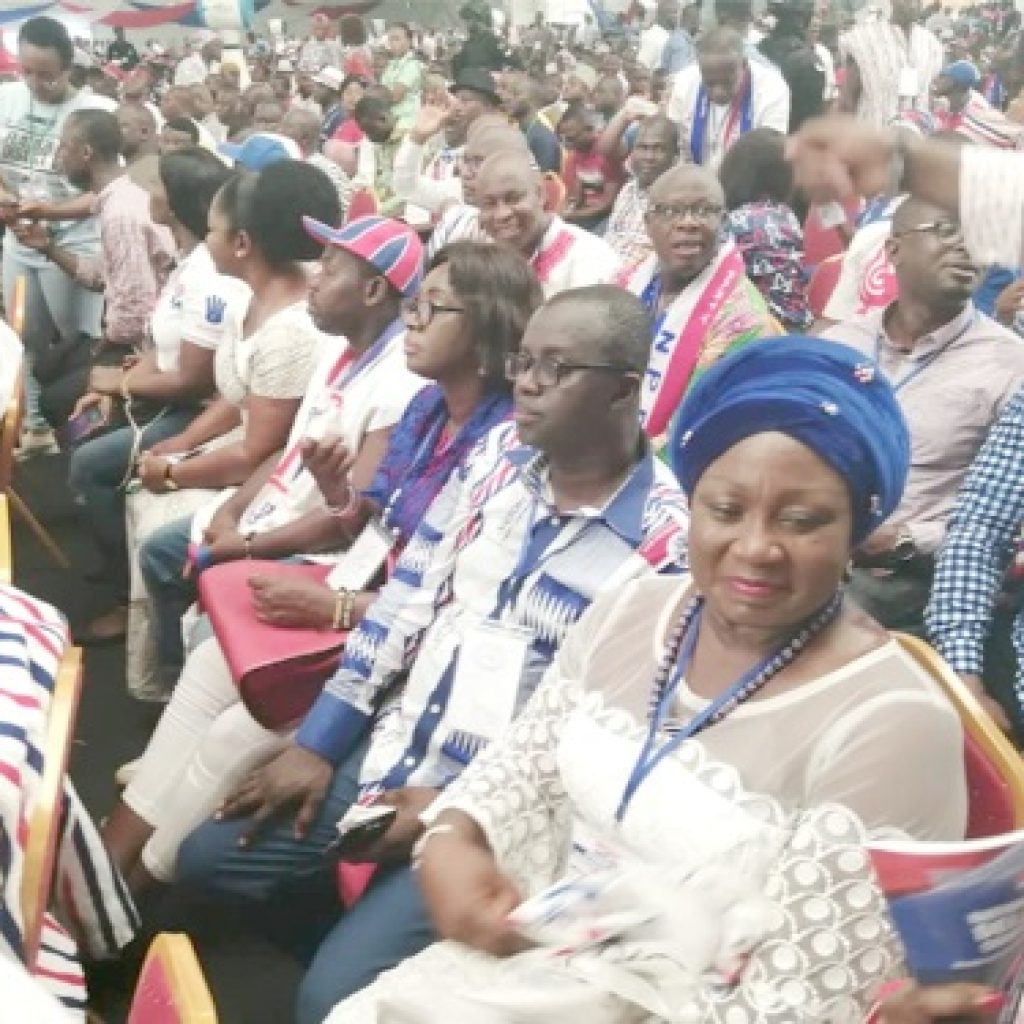
  • What next after NPP Super Delegates Conference?

    Abtvgh / The New Parotitic Party Delegates Conference

    Intra-party democracy is part of the crucial foundation stones for building the country’s envious democratic process.

    If they are not solid and properly erected, the super structure cannot survive the test of time.

    It is on this basis that the Daily Graphic has over the years shown keen interest in internal issues aimed at enhancing and consolidating the development of democracy in all political parties in the country.

    Last Saturday, 961 delegates of the New Patriotic Party (NPP) were called upon to select five flag bearer hopefuls out of the 10 who had offered themselves up to lead the party.

    The specially selected delegates went to the polls organised in 17 centres nationwide as the first step in electing the party’s presidential candidate for the 2024 general election.

    The second and the final choice will be done by more than 200,000 delegates on November 4, this year. 

    The Vice-President, Dr Mahamudu Bawumia, emerged tops with 68.15 per cent of the votes cast, while the Member of Parliament for Assin Central, Kennedy Agyapong, and former Minister of Trade and Industry, Alan Kyerematen, placed second and third respectively.

    Former Minister of Agriculture, Dr Afriyie Akoto, emerged fourth, while a former Minister of Energy, Boakye Agyarko, and Francis Addai-Nimo tied for the fifth position, with each garnering nine votes.

    The delegates will select one of the two to join the four, come September 2, 2023.

    Undoubtedly, there are some lessons to be learnt from the just-ended super delegates conference based on the way the results panned out.

    It was a bit surprising that Kennedy Agyapong emerged second ahead of Alan Kyerematen, especially when Mr Kyerematen had contested the flagbearer position in 2007 and 2011 and had come second in both and had gained experience and learnt the ropes.

    His performance underscores the popular refrain that “elections are full of surprises”.

    We are also amazed that the fortunes of Dr Kofi Konadu Apraku have dwindled so badly that he could not garner even a single vote for all his contribution to the party over the years.

    The lesson here is that timing is everything in politics and it is important when one knows when to jump into the ring.

    It also emerged that the influence of Kennedy Agyapong in the party is no fluke, considering his performance.

    Political observers will be watching keenly how he performs on November 4.

    Others have argued that the results of this super delegates election could not be described as the harbinger of the November polls.

    Although the dust is yet to settle, it is welcome news that so far, none of the candidates, including those who could not be part of the five, has raised issues about the process. 

    Another observation is the decision by the party to leave the election process to the constitutionally mandated governance institution, the Electoral Commission, and the body clothed with the authority to protect life and property, the Ghana Police Service.

    These two bodies executed their mandate without fear or favour and according to laid down procedures

    This is a feather in their cap but more importantly, a way of helping our institutions to build their capacity to deliver. 

    The Daily Graphic has the strong conviction that if all Ghanaians continue to help build the capacity of these institutions and afford them the support and respect, very soon the country’s elections would be devoid of the usual suspicion, rancour and the few incidents of violence.

    While the Presidential Election Committee is worthy of commendation for successfully organising the election, there were some few grievances and shortcomings that came up that should be looked into ahead of the main November election.

    To properly address these, the party in its review of the processes must listen to all stakeholders, especially the candidates just as they did preceding the polls.

    This will ensure that the party remains united and battle-ready for the 2024 general election.

    We urge all those with complaints to also use the laid down internal party processes to seek redress.

    The Daily Graphic once again applauds the NPP and those who qualified for the next round of elections.

    It is important also that those contestants who could not find favour with the delegates should not just abandon ship but continue to remain with their family and work assiduously with commitment to the collective good of the party.

    It can be daunting and depressing to lose an election, especially after traversing the length and breadth of the country, losing sleep, comfort and expending resources to convince delegates only to suffer such a disastrous defeat.

    The national executives must reach out to those who lost because they are assets to the party, and their experience and resource will be needed, especially going into the 2024 general election which holds the promise of being the most competitive in recent history.

  • Free SHS: GNAT national dialogue needs consideration

    Abtvgh / GNAT Dialogue

    The successes chalked up by the Free Senior High School cannot be overemphasized.

    Many experts and citizens assert, and rightly so, that it is the most audacious policy in the country’s history as far as the numbers generally, and secondary school enrolment, are concerned.

    A Deputy Minister of Education, Reverend John Ntim Fordjour, announced in April last year that by the end of the 2022 school selection and placement exercise, a total of 2.2 million students would have gained admission to high school through the free senior high school (SHS) system.

    Data shows that in 2013, out of 352,202 students placed, 90,604 could not enrol and in 2014, out of 386,412 students placed, 113,260 could not enroll.

    Again in 2015, out of 415,012 students placed, 115,363 could not enrol and in 2016, out of 420,135 students, 111,336 could not enrol, all these were due mainly to financial challenges. 

    Indeed, the rollout of the Free SHS policy has come as a relief to most parents and students who were eager to further their education at that level. 

    Apart from tuition that is free, there are no admission fees, no library fees, no science centre fees, no computer lab fees and no examination nor utility fees.

    Textbooks, uniforms and boarding are equally free while day students are fed one meal at school for free every day.

    As a matter of fact, the huge positive impact of the Free SHS is unquantifiable as it has helped the country deal with the number of idle teenagers who could have been easily lured into social vices.

    It has also helped hasten the educational process of junior high school graduates who had to spend some years at home before having the opportunity to go to school, if at all. 

    The government did well for not allowing the deficit in infrastructure to discourage it in the rollout of the Free SHS policy.

    Since the beginning of the programme in 2018, many infrastructural facilities have been added to the existing ones

    Of special mention is the innovative double intake or track system that kept a section of the student population home while others were in school as a measure to accommodate the swelling numbers, which has been phased out after the addition of more infrastructure.

    But underlying these huge successes are some equally serious problems that have affected the smooth running of the programme.

    These challenges keep growing yearly as the student numbers rise. 

    Despite the increase in infrastructure, many of our SHSs still have huge class numbers that affect the teaching-learning process.

    But we know from educational philosophy and theories that a smaller class size contributes to better class control and learning outcomes.

    Most of the schools also have issues with maintenance, as government subvention for such purposes are sometimes irregular.

    In the circumstance, school authorities have resorted to soliciting for help from parents’ associations and old students.

    They have consciously or unconsciously shifted the cost of printing of examination questions, maintenance and many of the responsibilities to parents and old students, with parents bearing the bigger brunt. 

    This has placed a financial burden on parents, some of whom but for the Free SHS would have found it difficult to send their children to school.

    Those who are not able to make such payments have on many occasions felt embarrassed.

    Many parents are suffering silently with the incessant demands from parents’ associations to pay various sums of money to supplement stationery and food.

    Many appeals have been made for the government to review the programme to address these bottlenecks, with the latest of these appeals coming from the Ghana National Association of Teachers (GNAT).

    GNAT has called for a national stakeholder dialogue to relook at the Free SHS programme in relation to the country’s current economic situation to smoothen the rough edges of the programme.

    The Daily Graphic notes that GNAT, arguably, has some of the best brains and is a critical stakeholder of education in the country.

    It is thus important for the government to listen to the teachers’ association and convene such a dialogue for the good of the programme and subsequently the country.

    The paper believes that such a dialogue would dispassionately brainstorm challenging issues such as logistics and infrastructure, sources of funding, involvement of parents, parents’ associations and alumni, among others.

    This, the Abtvgh believes, would set the stage to strengthen our schools to discharge their responsibilities better and to ensure a seamless continuous implementation of such a laudable programme.