Category: News

  • Lack of women empowerment stagnates progress

    Abtvgh / SDG

    Gender equality is not only a fundamental human right, but a necessary foundation for a peaceful, prosperous and sustainable world

    Goal Five of the Sustainable Development Goals (SDGs) aims at achieving gender equality and the empowerment of all women and girls.

    Although statistics across the world shows that there has been progress over the last decades, the world is not on track to achieve gender equality by 2030.

    Only two countries, Rwanda and South Africa, are among the world’s top 20 best countries for women, according to the World Economic Forum’s report.

    Available evidence shows that women and girls represent half of the world’s population and therefore half of its potential.

    But gender inequality persists everywhere and stagnates social progress.

    On the average, women in the labour market still earn 23 per cent less than men globally and women spend about three times as many hours in unpaid domestic and care work as men.

    Also, sexual violence, exploitation, the unequal division of unpaid care, domestic work and discrimination in public office, continue to remain huge barriers.

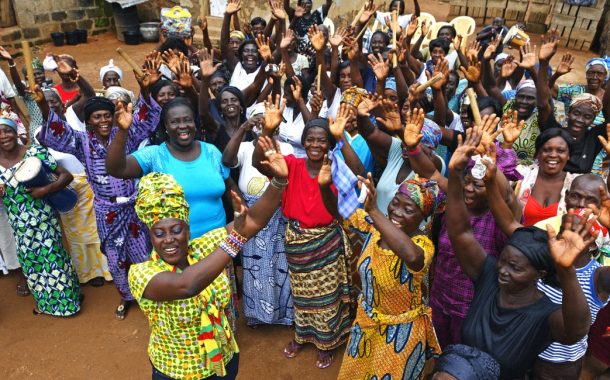
    That is why, on June 17, 2023, the Organisation of African First Ladies for Development (OAFLAD) and partners launched #WeAreEqual, a year-long unifying campaign that calls for urgent action to advance gender equity and close the gender gap in Africa.

    #WeAreEqual focuses on key action areas, including health care, gender-based violence, education and economic empowerment.

    The campaign seeks to raise awareness of the power of gender equity and calls on African leaders to take action now by addressing the root causes of gender inequality and fostering collaboration among diverse partners.

    To bring the campaign home, the First Lady, Rebecca Akufo-Addo, on August 28, 2023 launched the #WeAreEqual campaign in Ghana as part of the strategic measures to fight for gender equality that will enable girls and women to contribute their quota to the development of the country.

    Launching the campaign, she said: “The fight for gender equality is an age-old one.

    Sadly, it is a fight that has not been won.

    Even though the global gender gap has been narrowing, we need a lot more urgency and action to make very significant impact.

    When women and girls, representing about half of our society, have equal access to health, education and skills, and are free from gender-based violence, they can contribute their quota to the development of our nation”.

    Achieving gender equality is critical to driving social and economic progress for all in building the world that we want.

    As a society, we cannot collectively move forward to achieve these goals if we are only lifting one foot off the ground.

    The Daily Graphic believes that when women are empowered it results in closing the gender gap and unlocks the full potential of our society, as evidence from around the world has proved that gender equality drives social and economic progress for all.

    Through a concerted effort, we can create a future where gender equity is not only a goal, but a lived reality for everyone, transforming societies and building a more just and inclusive world.

    The paper also agrees with OAFLAD that everyone has a role to play in bringing attention and urgency to this issue.

    Participation and commitment from governments, civil society organisations, international bodies and individuals are critical to advancing gender equity and that driving meaningful change requires continuous advocacy, policy reforms and allocation of resources to address the root causes of gender inequality and create enabling environments for women and girls to thrive.

    There is an urgent need for concrete action and policy change to advance gender equity as gender-sensitive and gender-focused policies when implemented with adequate funding and full commitment can contribute to creating more inclusive and equitable societies.

    We call for gender-responsive laws that protect and enshrine women’s rights, policies and laws that prioritise gender equity because they are crucial for driving meaningful change.

    To ensure fairness, strategies and measures must often be available to compensate for women’s historical and social disadvantages that prevent them from otherwise operating on a level playing field.
  • Examination malpractice: Let’s instil right values in our children

    Abtvgh / Waec / GES

    The silence of the activities of rogue websites since the beginning of this year’s West African Senior School Certificate Examination (WASSCE) gave the public some hope that at least, for the first time in recent years, the examination would pass without the usual headlines, mostly for the wrong reasons.

    This went on until last week Saturday when the headline “WAEC uncovers WASSCE cheats” trended and indeed, is still trending, emanating from a press conference organised by the West African Examinations Council (WAEC).

    The conduct of teachers, some of whom were picked up raised eyebrows regarding the actions of the very people detailed to take care of the examination centres.

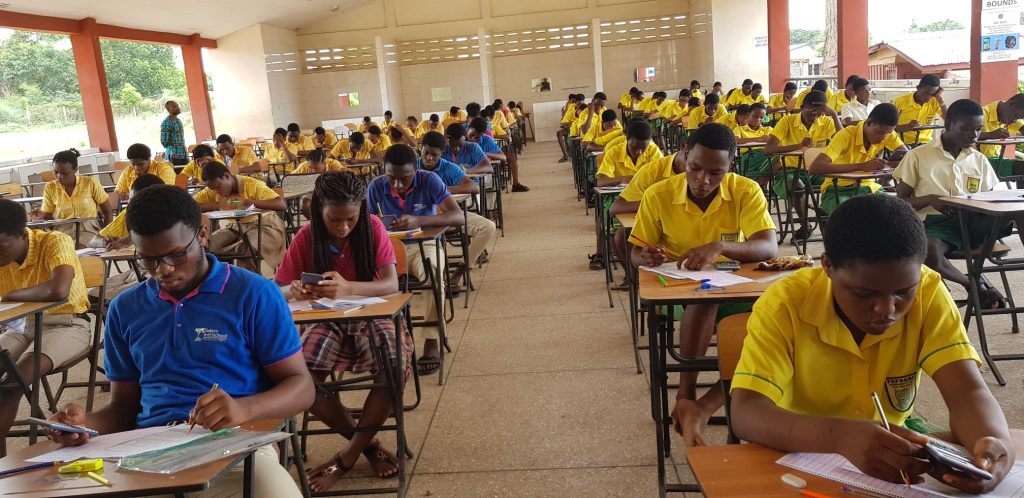
    At the press conference, the council announced that it had uncovered a grand scheme by some school authorities and candidates to cheat in the ongoing WASSCE, leading to some arrests

    WAEC said during an operation by its specially trained monitoring agents, many candidates were caught with mobile phones and other electronic gadgets in the examination halls.

    The Daily Graphic finds this unacceptable, recalling how one of the examination invigilators, the late Asare Minako, who insisted on preventing candidates from carrying mobile phones into the examination hall on October 11, 2005, was brutally murdered by the candidates.

    To ensure that such a heinous act does not get lost in history, the WAEC named one of its foremost centres after this committed personality who wanted to maintain the sanctity of examinations conducted by the council.

    It is common knowledge among teachers and students, particularly candidates preparing to write or who are writing any examination administered by the WAEC that carrying mobile phones into examination halls or even within the premises of an examination centre attracts outright cancellation of the entire examination of any candidate caught in the act.

    To ensure that this punitive measure does not come as a surprise to anybody, the WAEC every year, before the beginning of both WASSCE and the Basic Education Certificate Examination (BECE), embarks on a sensitisation drive for both candidates and parents as well as the general public on the dos and don’ts of the examinations.

    In this whole enterprise, parents and teachers have a crucial role to play because they are very much involved in the early development of children.

    It is important parents do not give their children the wrong impression that they can do anything under the sun and get away with it.

    The Daily Graphic is worried that after the WAEC worked hard to block the loophole of the activities of rogue website operators, teachers, in whose hands the children are entrusted to prepare them for the examination, are rather inculcating wrong habits into them.

    What a shame!

    We are wondering if this is a testimony that the teachers are not teaching well or that they do not complete the various syllabi before the conduct of the examination and so, in order not to be blamed they engage in such activities.

    The Ghana Education Service (GES) and, for that matter, the Ministry of Education has trumpeted the issue of contact hours as the reason for Ghana to continue  writing the Ghana-only version of the WASSCE.

    We dare say that those teachers involved in such acts are an embarrassment to the teaching profession and must bow their heads in shame.

    The Daily Graphic is at a loss as to why teachers, who are to guide and direct the children to be law-abiding citizens should be the very ones supporting the children to cheat.

    We call on WAEC to enforce its rules and regulations to serve as a deterrent to other students.

    Ghanaians are waiting to know the number of candidates who were caught with mobile phones and smartwatches in the examination halls as promised by the Head of Public Affairs of WAEC, John Kapi, by the close of this week.

    All Ghanaians must work to ensure that the certificates issued by WAEC remain relevant and respected globally.

    This can only be done through the collaboration of all and not only WAEC.

    Security is a shared responsibility and not for the police or the security services alone; we all have a role to play.

  • We must build sustainable cocoa economy

    Abtvgh / COCOBOD

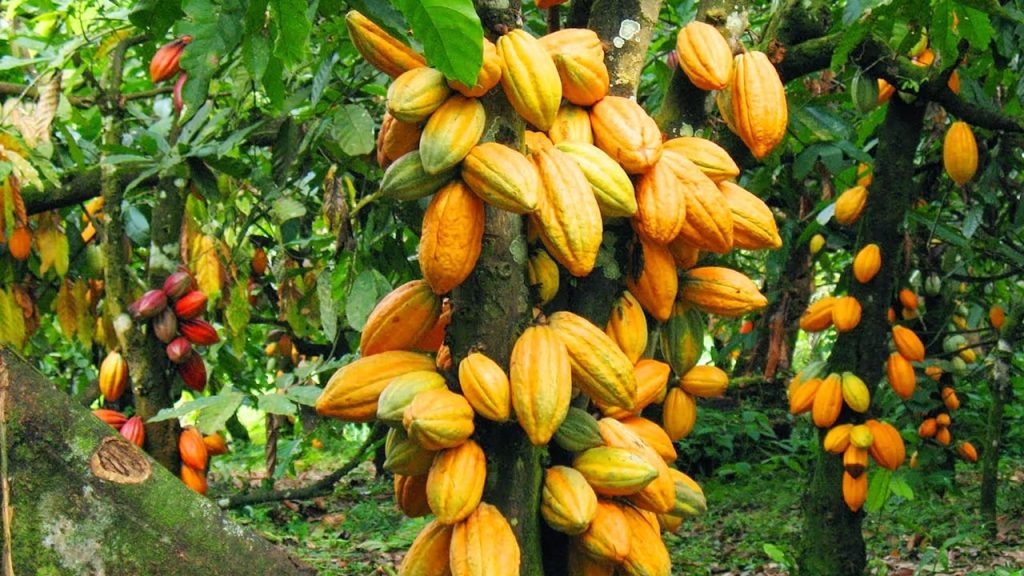
    No other country comes to mind more than Ghana when one speaks of cocoa.

    Likewise, one cannot think of Ghana without the thought of its cocoa sector which offers livelihoods for millions along the value chain, including farmers. 

    Being one of the country’s main exports, cocoa has been central to the country’s debates on development, reforms and poverty alleviation strategies since independence in 1957.

    Since the introduction of cocoa in Ghana in the late 19th century, the crop has undergone a series of major expansion and contractions.

    Cycles are intrinsic to cocoa production because cocoa is influenced by environmental factors such as availability of forest land, ecological factors such as deforestation, outbreaks of disease, geographic shifts in production, and economic and social factors such as migration.

    The grim forecast of drier weather conditions, elevated temperatures and decreased rainfall in the upcoming months, do not augur well for our production prospects.

    The looming possibility of lower-than-expected yields casts a shadow over our production goals, emphasising the urgency of taking immediate action.

    Recent price movements on the international cocoa market have been undesirable.

    Cocoa bean prices have plummeted and are predicted to remain low during the COVID-19 period.

    Over the years, the country has continuously exported raw cocoa beans with little value addition.

    The fortunes of the hardworking farmers have become tied to the volatile cocoa bean market.

    The Ghana Cocoa Board (COCOBOD) has been absorbing the shocks of price declines, with the aim of minimizing the negative impact on cocoa farmers.

    Among other challenges facing the sector is the depreciating value of the cedi.

    The situation has compelled some of the farmers to smuggle their produce out of the country into neighbouring countries, particularly Cote d’Ivoire and Togo, while some of them resort to giving out their farms for illegal mining, popularly called galamsey.

    These two activities are counterproductive for the country, particularly so, as many people are diverting from cocoa production into other ventures other than cocoa farming.

    It is in the light of this that the announcement last Saturday by President Nana Addo Dankwa Akufo-Addo of a new producer price for cocoa at the opening of the 2023-2024 cocoa season came as a big relief not only for the farmers, but the country as a whole.

    The producer price has been increased from GH¢800 per 62.5 kg to GH¢1,308, representing a 63.5 per cent increment, which also translates to GH¢20,943 per tonne of raw cocoa beans.

    It is the highest price to be paid to cocoa farmers across West Africa in over 50 years.

    With the predicted stable prices above the 2,600 threshold, the government has given an assurance that it would continue to honour our farmers with good prices in the years ahead. Indeed, there are better days ahead.

    Also commendable is the government’s decision to open the cocoa season in September instead of the usual October in order for the farmers to meet all their financial obligations to their families, especially as schools reopen.

    The new price changes have been warmly received by the farmers.

    The spontaneous applause, jubilation and shouts of joy by cocoa farmers who were at the durbar at the announcement of the new prices were understandable.

    Nobody should begrudge the farmers for openly showing their excitement as they tried to mount the President’s podium to show their appreciation for the new price.

    The Daily Graphic sees the increase as a positive intervention by the government to enable cocoa farmers to increase their yields.

    The increase would not only motivate farmers to increase cocoa production, but also contribute to check the smuggling of cocoa beans to neighbouring countries.

    With this increment, the low incomes of cocoa farmers will be improved and the move will further attract the youth to the sector.

    This latest increment means that farmers can grow new cocoa and also employ more skilled workers on their farms, thereby addressing the unemployment situation the country is confronted with.

    For many years, cocoa prices have been subjected to the global market prices and so the decision by the government to increase the price of cocoa for the farmers is a major step to deal with the challenges head-on.

    As Ghanaians, we must work towards a sustainable cocoa economy that delivers increasing and continuous benefits to our dear farmers and all stakeholders in the value chain.

    As Ghanaians, we must work towards a sustainable cocoa economy that delivers increasing and continuous benefits to our dear farmers and all stakeholders in the value chain.

  • It’s time to move along with both boys and girls

    Abtvgh /WAEC

    In July this year, a former Head of the National Office of the West African Examinations Council (WAEC), the Very Rev. Dr Nii Nmai Ollenu, wrote an article titled”: “Tears of the boy-child”, which was published in this paper, which sought to alert the authorities that it was about time we gave due attention to the boy-child as we did to the girl-child.

    His article was premised on the fact that currently the boy-child population in the second cycle schools was dwindling as compared to the girl-child population, citing, for instance, that records available suggested that the girls were leading the boys in both enrolment and academic performance. 

    For example, statistics from WAEC, Ghana show that from the period 2006 – 2022, the winners of the first three positions in the Distinction Awards of the West African Senior School Certificate Examination (WASSCE) are 46 in all. 

    Out of this number, 26 are girls which works to about 57 per cent, and 20 are boys, representing 43 per cent. 

    The current state of the student-gender categorisation is a result of a deliberate effort to reverse a general trend in the country which weighed heavily in favour of the boy-child in the early post-independence period.

    The Daily Graphic recalls in those days the influence of international conventions, such as the “Education for All” and advocacy driven by global happenings, compelled governments to introduce educational policies that supported the girl-child in order to create equal academic opportunities.

    So, over the years, this advocacy has yielded positive results, during which the programme, “Send your girl-child to school,” was pursued.

    Currently, the focus on the girl-child has been taken a notch higher where specific schools such as STEM institutions for girls, Mathematics Workshops for Girls, Robotic and Computer Training for Girls have been tailored for girls. Additionally, special scholarships and concessions are given to the girl-child all in the name of affirmative action. 

    Interestingly, ever since the campaign to get the girl-child into the classroom was mounted, the educational policies in the country seem to have been skewed towards the girl-child.

    This is, particularly, so when schooling has been made compulsory at the basic level and free at the secondary level. Parents have no excuse to prevent the girl-child from going to school.

    Unfortunately, all these are being done without any parallel policy intended for the boy-child.

    For us at the Daily Graphic, the “Send the girl-child to school” advocacy campaign, launched in the 1990s and early 2000s, is long past and what we need now is equality and parity because the country’s economic development indicators require a balance of both males and females.

    As a country, we need to ensure that a blind eye is not turned to the boy-child because the time has come for restrategising and re-directing our focus towards the boy-child.

    It is in this vein that Rev. Dr Ollenu is of the view that it appears as though the modern boy-child is being made to suffer punishment for the iniquities the forebears committed by not sending the girl-child to school. 

    To support the position of the former WAEC boss, the Ghana National Association of Teachers (GNAT) is calling for sustained efforts by all Ghanaians to encourage and support more boys to stay in school so as to enable them to develop their full potential for national development.

    The association is advocating that initiatives and efforts to motivate boys to go to school and remain throughout their study must be sustained. In this connection, all stakeholders, including organisations, parent-teacher associations, philanthropists and old students need to be actively involved in an all-hands-on-deck approach.

    Let us, as a country, be intentional in ensuring that whatever is done for the girl-child the same must be extended to the boys. 

  • Honouring national heroes, heroines properly crucial

    Abtvgh / National Heroes Honour Need’s Review

    Since pre-colonial days, Ghana has been blessed with so many personalities whose ideas, vision and contribution to national development can never be wished away.

    Instead of the nation giving them the pride of place as statesmen and women who must be celebrated, Ghanaians have often looked at them through a pure political lens, and often tried to make them irrelevant until a political party believed to be aligned with their cause comes to power to give them recognition.

    A typical example which often comes to mind is the declaration of public holidays, with the recent August 4 Founders’ Day coming in handy in support of this position.

    Indeed, with such partisanship on display, it is difficult for well-meaning Ghanaians to dare to contribute their quota to addressing the country’s challenges because they do not want to be tagged.

    This situation certainly does not augur well for our country.

    At a recent lecture in Kumasi to mark the 45th anniversary of the passing of Dr Kofi Abrefa Busia, the former Prime Minister in the Second Republic, the Majority Leader in Parliament and Minister of Parliamentary Affairs, Osei Kyei-Mensah-Bonsu, hit the nail on the head when he stated that extreme partisanship and political polarisation hampered the celebration of the country’s national heroes.

    In his observation, attempts had been made to obliterate the contribution of many notable Ghanaians, and to some extent, the distortion of the country’s history.

    As the adage goes, a nation that does not honour its heroes is not worth dying for.

    The great American leader, Abraham Lincoln, puts it succinctly that “a nation that does not honour its heroes will not long endure.”

    The Daily Graphic believes that it is time we put aside partisanship and recognise the men and women who have blazed the trail, regardless of their  tribe or political affiliation, to motivate the younger generation to give their best for the country’s development .

    We need to remind ourselves that acknowledging our heroes offers us the opportunity to celebrate our history, heritage and values as a people. 

    Aside from serving as role models, the country’s heroes and heroines are an embodiment of wisdom, moral behavior and inspiration to the younger generation.

    This is why the Daily Graphic believes recognising them should not be viewed through partisan lenses.

    If for nothing at all, the recognition accorded Ghana’s first President, Dr Kwame Nkrumah, on the global political scene and the football great, Abedi Pele, in sports circles, should motivate our current and future leaders to put aside the unhealthy partisanship and selectivity when it comes to recognising our heroes.

    We also urge members on both political divide that when celebrating some of these important days, they must involve all stakeholders and not only people who are aligned with their political parties and ideologies.

    Similarly, we entreat all others to fully participate in such national celebrations.

    The Daily Graphic thinks that when the nation starts from this small scale, we will be bridging the gap of partisanship and putting polarisation where it belongs.

    Every citizen should aspire to work hard to emulate the courage and contribution of heroes of the nation in serving the country.

    We also need to unite to stay focused on important things that lie ahead of us as a people.

    In unity lies strength, and with it, we can put aside our differences to sacrifice for the common good.

    Let us put aside partisanship and recognise all those who have contributed immensely to bring the country this far.

  • Let’s prioritise the digital economy agenda

    Abtvgh / Digital Transformation Agenda

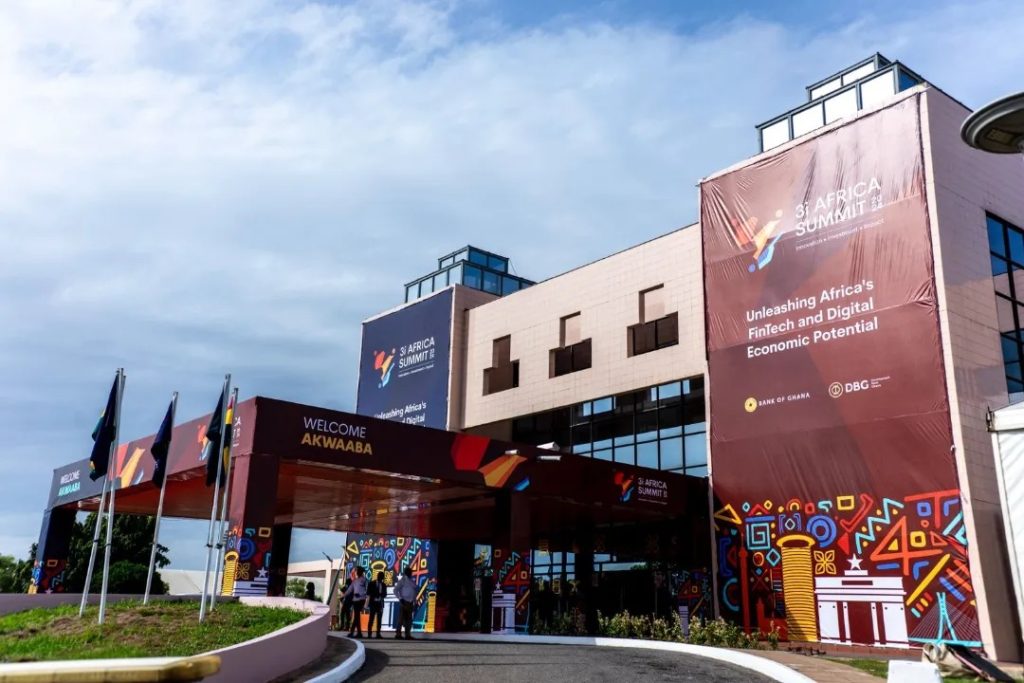
    Ghana has experienced digital technology growth in leaps and bounds, and now ranks among the leaders in sub-Saharan Africa in technology adoption.

    A 2019 survey by the World Bank indicates that the country ranks third behind Nigeria and South Africa in terms of how digital platforms are transforming the economy.

    It is second after Kenya regarding mobile money adoption in Africa.

    That is why the government is prioritising digitisation in sectors such as the implementation of initiatives, including national ID issuance, digital address systems and land records.

    It is consolidating them to improve productivity and service delivery.

    It is also digitising fiscal revenue collection, supporting a cashless society and improving online education delivery, as well as investing in the national fibre optic network to expand and improve internet connectivity.

    Indeed, the government is also prioritising the promotion of increased digital literacy to support technology entrepreneurs to build technology hubs and export IT-enabled services such as business process outsourcing.

    At the graduation ceremony of the University of Education, Winneba, on August 26, 2023, the Chancellor, Neenyi Ghartey VII, called on the government to accelerate the transformation of the digital economy to leverage its potential to generate jobs and transform traditional industries. 

    It was his view that there was the need to launch targeted and time-bound employment initiatives that focused on labour-intensive sectors such as infrastructure, agriculture and manufacturing to improve the unemployment situation.

    The Daily Graphic couldn’t agree more with the suggestion because of the dire consequences of unemployment on national development. 

    We need not forget that unemployment creates fertile ground for the youth to indulge in unhealthy activities and become easy prey to be poached into criminal activities.

    The advice by Neenyi Ghartey should also serve as a wake-up call to our students also that the era of looking for employment in government agencies is far gone, hence the need for them to be proactive in taking advantage of technological advances, innovation, entrepreneurship and skills development to be relevant in the national development agenda.

    The advanced economies reached their present state because of the emphasis on vocational and technical education backed by research which fuels speedy economic development.

    Already, some of these countries are turning their attention to developing countries for skilled human resources to fill gaps in their job markets, especially industries.

    This is why the Daily Graphic is impressed with the government’s decision to focus more on vocational and technical education to equip the workforce with the relevant skills to bridge the skills gap and increase employability.

    We expect our universities to align their programmes and courses to the initiatives by the government so that the country will be the winner.

    The current situation where most of our public universities are running the same programmes and competing for students without any corresponding skills development or entrepreneurship can only result in many more unemployed graduates.

    The Daily Graphic believes that all stakeholders must revisit the subject of how we can achieve our development agenda and also address the unemployment canker.

    Our students must also have in mind that as they pursue higher education, they will be graduating to create their own jobs and not to look up to any government institution.

    By creating jobs, they would also be contributing to the country’s development.

    As Neenyi Ghartey said, it was high time that graduates adopted a proactive mindset rather than waiting for the perfect job to come their way.

    They must consider becoming job creators themselves.

    Graduates must see unemployment as an opportunity for innovation and transformation.

    The Daily Graphic appeals to the government to intensify its support not only to industry, but vocational and technical education in particular. 

    The country has vast arable lands but we are unable to produce enough.

    When the rains come in abundance, instead of us being happy for a possible attendant good yield, we lose hope because the rainwater washes away our farmlands, houses and even sometimes lives are lost after hours of heavy rainfall.

    If we had the right combination of knowledge, skills and technical know-how, solutions could have been found to this problem long ago.

    Let us work together to advance the development of our country.

  • Justice delivery must be expeditious

    Abtvgh / Ghana Judicial Service Delivery improves

    It is a fact that justice delayed is justice denied.

    The effects of a failure to deliver justice on time can have a deleterious impact on the lives of all parties involved, in particular the aggrieved party. 

    This can lead to further violations of fundamental rights.

    The negative effects of such delays are much more pronounced where the matter being litigated or prosecuted involves violation of fundamental rights. 

    Any continued delay of justice constitutes a further breach.

    The net effect of this is to place the state in a bad light in relation to its international law obligations among its peers.

    The Daily Graphic believes that it is with this same conviction that President Nana Addo Dankwa Akufo-Addo last week urged the Judiciary not to unduly delay cases, saying such practice had projected the country as a destination of long litigations. 

    He said judges had been well resourced with case management tools to be effective leaders of their courtrooms and must, therefore, change “the unfortunate situation that affects the attractiveness of the country as an investment destination”.

    President Akufo-Addo made the call after swearing in two female justices of the High Court at the Jubilee House in Accra.

    Tracing the root cause of the undue delay in justice delivery, President Akufo-Addo said until now, it was understood that the common law judge was an independent arbiter who allowed the parties to dictate the pace of cases.

    The Daily Graphic fully agrees with the President on this issue of undue delay because throwing more light on it will push the judiciary to find an immediate solution to this major canker that is hurting the image of not only the judiciary, but the country as a whole.

    In a country where we pride ourselves as the champions of Rule of Law, the Daily Graphic is of the firm belief that under no circumstance should cases be delayed for no clear or tangible reason.

    It is true, as the President alluded, delays had been addressed with the provision of case management in Constitutional Instrument 47 of 2004, including current reforms as contained in Constitutional Instrument 87, in which examination in chief was given in the form of witness statements.

    It is also obvious that even more extensive was the requirement of presenting an accused person with all the evidence and exhibits for prosecution.

    The paper is aware of cases, particularly, issues of land dispute, among others, that have lasted for 10 years or more in court, to the extent that many of the litigants have passed on to glory.

    We have also been informed that most of the delayed cases are as a result of deliberate attempts by counsels of the litigants to buy time to enable them to tackle other matters or pave the way for them to unduly charge their clients higher amounts as a result of the days or years spent in court.

    This is obviously a sad situation because in all these, it is the poor with genuine cases who are denied because they cannot simply afford the expensive delays.

    There is also the perception which has become facts in the minds of some investors that in Ghana, cases are always delayed and therefore, it is not the best place to invest.

    We are deeply worried about these and many other negative sentiments within our judiciary system and we wish to once again add our voice to the President’s call for the judiciary to do all it can within its power to reverse the trend.

    As indicated, the dispensation of justice requires that the application of the laws of the land must occur without fear or favour, affection or ill will and without recourse to political, religious or ethnic affiliations of any persons before the court.

    When a person falls foul of the law, that person, high or low, must be dealt with accordingly and the law enforcement agencies, including judges, must ensure that is done because as the President unambiguously put it, “That is the true meaning of the concept of equality before the law.”

  • Celebrate the living

    Abtvgh / The Living/ UPSA

    Last Monday, the management, staff and alumni of the University of Professional Studies, Accra (UPSA) held a unique event that deserves everyone’s attention.

    On the 95th birthday of Nana Opoku-Ampomah, the man who sowed the seed of the Institute of Professional Studies (IPS) in 1965, which has blossomed to present day UPSA, a surprise and befitting-service was held to celebrate the educationist and traditional leader.

    During the event which was heavily attended by alumni of the university, glowing tributes were paid to Nana Opoku-Ampomah, the Paramount Chief of Amoafo Bekwai in the Ashanti Region, for his role in shaping their lives. 

    Some of them shared fond memories of their encounters with Nana during their student days and how the founder had contributed to their success.

    The old students, including the Inspector-General of Police and some of his top brass, and the university authorities presented gifts to the bewildered nonagenarian, who was full of smiles as he listened to the narratives from his former students.  

    The event reminds the nation that the time has come to always recognise and celebrate its heroes and heroines who through their blood and sweat have charted paths that have contributed immensely to the development of the nation.

    One of the respected columnists of the Daily Graphic, Brig. Gen. Dan Frimpong (retd), in an article in the September 23, 2022 issue titled: “Give me my flowers when I can still smell them,” advocated the need to show love and affection to people while they are alive and not to wait till they die before showering them with praises. 

    The piece underlined the need for recognition and appreciation by the nation of outstanding Ghanaians when they are alive and not pay glowing tributes when they die.

    This goes to the heart of the popular adage that, “a country that does not honour its heroes is not worth dying for”.

    The import is a reminder to appreciate and show gratitude to people who play significant roles in the life of the country while they are alive.

    Many a time, such honour is bestowed on great personalities only posthumously, when they can never have the opportunity to smile at and smell the flowers laid by their caskets or graves.

    It is a fact that in Ghana, grand funerals are organised for people who lived in abject poverty during their last days, all in the name of giving them a “befitting farewell”.

    This philosophy is so engrained in the society that even when people are celebrated, others grumble, murmur and try to belittle their achievements.

    For honouring Nana Opoku-Ampomah, the alumni and the UPSA family have reminded us of the need to acknowledge and give due recognition to people who play useful roles in our lives.

    The Daily Graphic commends the university community for celebrating this illustrious Ghanaian, who sowed the biblical mustard seed in 1965, which has now blossomed into a huge tree.

    Today, UPSA has become a global icon, having trained thousands of graduates who are occupying high positions both locally and internationally.

    As the IGP put it, as Abraham was the father of many nations, according to the Holy Bible, Nana Opoku-Ampomah would be known as the father of many professionals. 

    The Daily Graphic also salutes Nana Opoku-Ampomah for the thousands of individuals who passed through the four corners of the great university, without which, they might not have had the opportunity to attain tertiary education.

    Interestingly, there are a number of Nana Opoku-Ampomahs all over the country, brightening their corners quietly.

    Some have made vital contributions in their vibrant youthful working life but have neither been celebrated nor appreciated. 

    The example of Nana Opoku-Ampomah should be a model for all that whatever we have started should be done to the best of our ability.

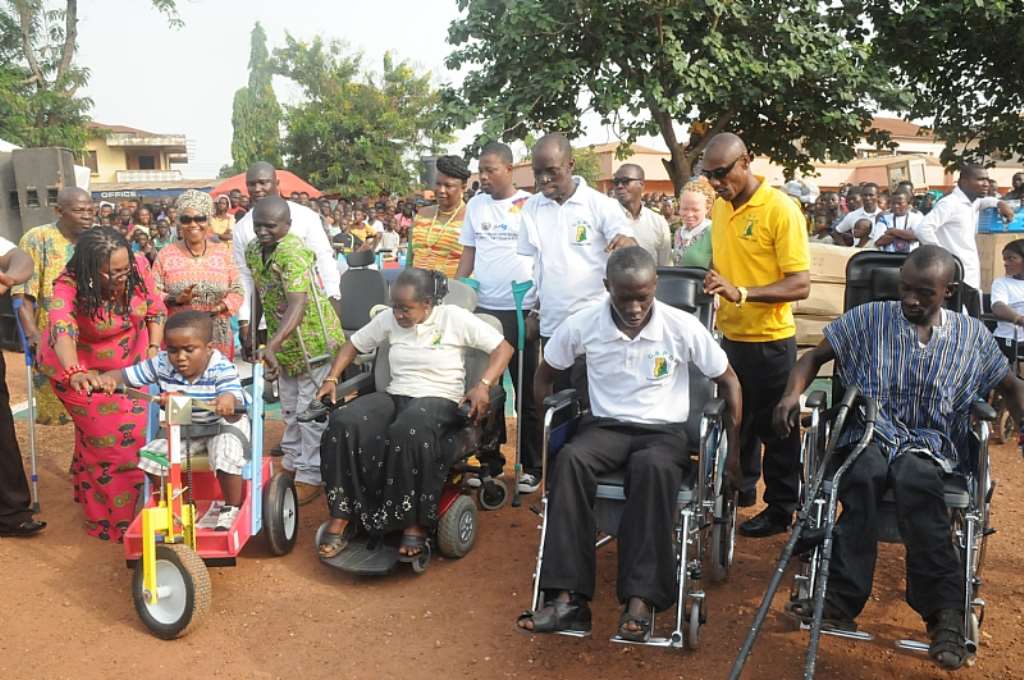
  • Seventeen years after the enactment of the Persons with Disability (PWDs) Act, 2006 (Act 715), which seeks to end discrimination against PWDs, they continue to go through harrowing experiences in accessing public spaces and services.

    Abtvgh / PWD’s Act, 2006 / Act 715

    Generally, there is lack of access to many public spaces for PWDs in the country which must not be allowed to continue.

    Although the Act gave a 10-year moratorium for all public buildings to be made disability-friendly, the premises of many public institutions remain “no go areas” for physically challenged persons after the expiration of the moratorium on August 11, 2016.

    Seven years after the expiration of the 10-year moratorium, many Ministries, Departments and Agencies (MDAs), academic institutions, health installations, faith-based organisations and other essential service providers have failed to make their premises disability-friendly.

    And more than importantly the position of the supreme law of the land is quite clear.

    Article 29(1) (8) of the 1992 Constitution of Ghana makes provision for the inclusion, protection and participation of PWDs in the socio-cultural and economic activities of the country. 

    Ghana adopted a national disability policy in 2000, which provided the framework for the drafting of the National Disability Law, Act 715 which was passed in 2006. 

    In 2012, the Parliament of Ghana ratified the United Nations Convention on the Rights of Persons with Disabilities with its optional protocol.

    The PWD Act 2006, (Act 715), gave a moratorium of 10 years for all public buildings to be made accessible and available to persons with disabilities.

    All these laws and international conventions spelt out clearly the legal framework for the protection of the rights of PWDs.

    Over the years, many high-rise buildings have sprung up all over the country, especially in the capital city, but no one is checking whether they are conforming to the laws of the country or not.

    Although Section Six of the Disability Act (Act 715) states: “The owner or occupier of a place to which the public has access shall provide appropriate facilities that make the place accessible to and available for use by a person with disability,” it is being flouted by property developers.

    Last year, the Daily Graphic after 16 years of the Disability Act being in force and six years after the 10-year moratorium to make buildings accessible had expired, surveyed some establishments in the city and other places where it found out that even the Parliament House, where laws are made although accessible to some extent, was still not fully disability-friendly.

    Hospitals, MDAs, some banks, including their Automated Teller Machines (ATMs), and commercial vehicles were all found not to be disability-friendly. 

    It is therefore not surprising that in the Thursday, August 24 edition of this paper, we reported that a physically challenged man has threatened court action over a disability-unfriendly court building.

    The man threatened to sue the Chief Justice and the Attorney-General if steps were not taken to make the Supreme Court user-friendly for PWDs.

    In a letter detailing his intention to sue the state, he said the absence of ramps and bannisters at the stairs to the entrance, coupled with the steep stairs in the building, made it difficult and unfriendly for PWDs to access the building and that, he said, was in direct contravention of the PWD Act, 2006 Act 715.

    It is imperative for public institutions and society as a whole to ensure inclusiveness of various segments of the population, particularly the PWDs, in the provision of all social amenities.

    It is therefore worrying to state that if the status quo is allowed to continue, it will feed into the general perception that the country has all the requisite laws but there are challenges with their effective implementation.

    The paper therefore hopes that it should not be only when the law is tested on the user-friendliness of buildings that the law must begin to work.

    It is recommended that conscious efforts must be made to ensure that public institutions that have not yet adhered to the law in terms of making their respective premises disability-friendly are further monitored and encouraged to provide the necessary facilities to ensure inclusiveness in their dealings with the public, particularly the PWDs.

  • PFJ Phase Two must yield desired outcomes

    Abtvgh / Ghana PFJ Outcomes

    One of the major interventions of the government which was launched in 2017 was the Planting for Food and Jobs as part of the country’s efforts to end hunger, achieve food security and promote sustainable agriculture.

    The main objective of PFJ is to enhance productivity of selected crops to feed the population as well as expand job opportunities through integrated services on farming and marketing.

    Six years after its implementation, the Ministry of Food and Agriculture had to review its performance and impact which has led to the birth of PFJ Phase Two (2.0)

    Consequently, President Nana Addo Dankwa Akufo-Addo yesterday launched the Planting for Food and Jobs Phase Two (PFJ 2.0) for better outcomes.

    The PFJ 2.0 of the initiative, known as the Input Credit System which replaces the input subsidy programme under the first phase, will provide affordable and timely credit specifically designed to meet the needs of farmers. 

    The Daily Graphic acknowledges the fact that access to credit has always been the bane of farmers in the country and so, by providing credit to farmers, they will be empowered to make informed choices and invest in the inputs that will significantly boost their productivity. 

    It is not for nothing that most institutions and even government agencies take stock of their performance and chart a new course to improve on deliverables.

    Therefore, stock taking of the state of affairs of any programme, which involves a thorough analysis of available data, is necessary to identify and cover up gaps to ensure efficiency, effectiveness and to unlock its full potential. 

    In taking stock, the Ministry of Food and Agriculture identified gaps in the production of some food crops, animal production, extension services, agriculture infrastructure and food self-sufficiency. 

    In addition, issues of inefficiencies, post-harvest losses, agric financing, poor agronomic practices and low adoption of technology were identified.

    The review exercise also highlighted the need for a change in strategy to tackle the problems in the agricultural sector decisively.

    It is said that the one creating a path in a bush is unable to tell whether it is straight or not.

    It takes those behind to alert him about veering off.

    And so, it was only proper for Dr Acheampong to listen to stakeholders to enable him to straighten the path.

    We are happy that President Akufo-Addo has reaffirmed government’s commitment to improve access to agricultural inputs, foster the adoption of modern farming practices and technologies, and ultimately catapult the agricultural sector to new heights.

    It was good that the President acknowledged that even notwithstanding the successes under the PFJ Phase One, it encountered some limitations during the implementation.

    Some of the limitations include heavy financial burden on the government imposed by subsidies on seeds and fertilisers, limited adoption of the value chain approach and limited access to agricultural credit; low prioritisation of national strategic stock, ineffective monitoring of input suppliers and distributors, and targeting of only smallholder farmers.

    The Daily Graphic hopes that in ensuring a successful rollout of the phase 2.0, the ministry will be guided by some of these challenges encountered in the implementation of phase one.

    Replacing the input subsidy with the input credit system for us is a giant step towards addressing the challenges the PFJ Phase one encountered during its implementation.

    It was an open secret during the PFJ Phase One that subsidized inputs were smuggled across to neighboring countries and to the open market, while the real beneficiaries were left without the inputs.

    It is envisaged that with the PFJ 2.0, the credit system will cut out individuals and intermediaries, from fronting as farmers.

    Such individuals have no business dabbling in issues involving farmers any longer.

    We hope the mistakes and the lessons from the implementation of the PFJ Phase One programme will prove useful in the execution of the second phase so that all the expected outcomes will be achieved.