Category: General News

  • CODA CEO Ahmed Shaib to contest Weija-Gbawe NPP Parliamentary seat

    Abtvgh / CODA

    The Chief Executive Officer of the Coastal Development Authority (Coda), Jerry Ahmed Shaib, has submitted his nomination form to contest in the upcoming NPP Parliamentary Primaries in the Weija-Gbawe constituency.

    Jerry Ahmed Shaib contested the Ablekuma South constituency seat in the 2016 General Elections on the ticket of the NPP but lost to Alfred Okoe Vanderpuye of the NDC.

    Presenting his nomination form at the Weija Gbawe constituency office of the NPP, Jerry Ahmed Shaib assured of a campaign devoid of insults.

    “The honourable chair and the CPEC members, I thank you for this opportunity and I thank you for accepting my form as a representative this morning. I’m very sure about one thing and sure to the extent that we going to conduct our campaign in a very fair manner, with no insults whatsoever. And I’m going to tell my supporters out there to maintain the same standards”

    He added, ” I can assure you that we will finish with this competition and it will be one constitution, one NPP. We are not going to cause any problems, we are not going to cause any issues whatsoever. What we can only tell you is that we are going to keep to your advice and we come back to you with victory”

  • Everyone deserves dignity, freedom and justice

    Abtvgh.com

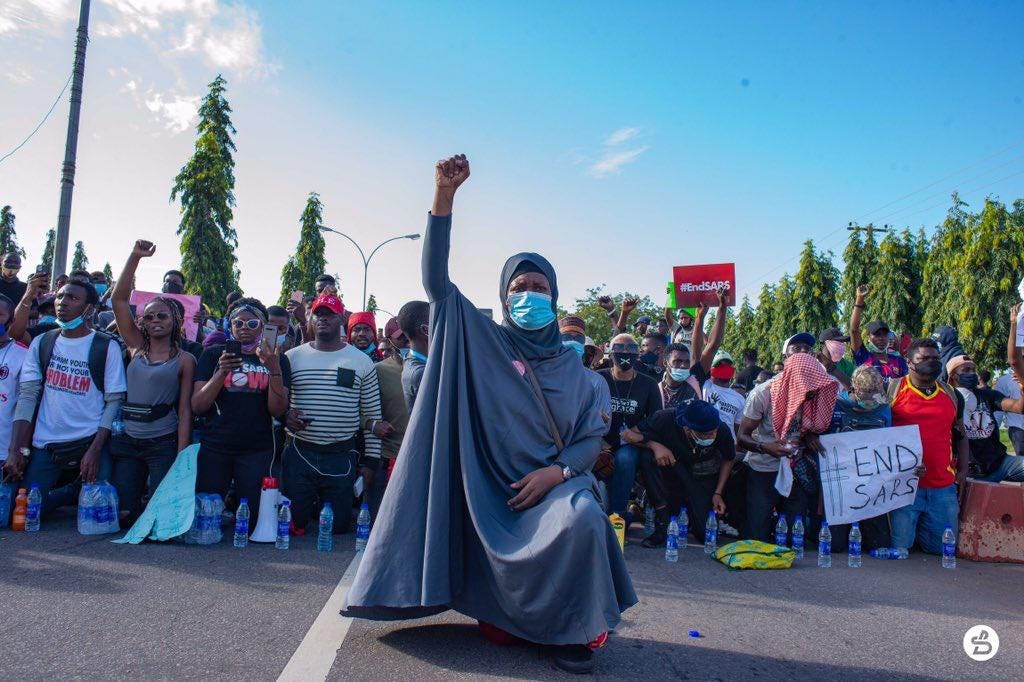
    December 10 each year is observed as Human Rights Day globally, and the theme for this year is, “Dignity, Freedom, and Justice for All”, which incidentally resonates with the national motto – “Freedom and Justice”.

    The day was established 75 years ago, when the UN General Assembly adopted the Universal Declaration of Human Rights (UDHR).

    Thus, this year’s Human Rights Day presents the opportunity for the world to take stock of the UDHR, 75 years after its adoption.

    The UDHR is a milestone document which proclaims the inalienable rights that everyone is entitled to as a human being – regardless of race, colour, religion, sex, language, political or other opinion, national or social origin; property, birth or other status.

    In the decades after the adoption of the UDHR in 1948, human rights have become more recognised and more guaranteed across the globe.

     They have since served as the foundation for an expanding system of human rights protection which focuses also on vulnerable groups such as persons with disability, indigenous peoples and migrants today.

    However, the promise of the UDHR, of dignity and equality in rights, has been under sustained assault in recent years.

    As the world faces new and ongoing challenges — pandemics, conflicts, exploding inequalities, a morally bankrupt global financial system, racism, climate change — the values and rights enshrined in the UDHR provide guideposts for our collective actions that do not leave anyone behind.

    Human rights are the basic rights and freedoms that belong to every person in the world, from birth until death.

    They apply regardless of where one hails from, what one believes in or how one chooses to live his or her life.

    These rights can never be taken away, although they can sometimes be restricted – for example, if a person breaks the law, or in the interest of national security or public good.

    These basic rights are based on shared values such as dignity, fairness, equality, respect and independence, and are defined and protected by law.

    Human rights include the right to life and liberty, freedom from slavery and torture, freedom of opinion and expression, the right to work and to education, and many more which are very important for the preservation of life, humanity and humanness.

    These are the checks that ensure we continue to live as human beings, as we all have animalistic tendencies that we need to deliberately subdue at all times to maintain the distinction between us and animals in the wild.

    All the basic human rights find expression in the 1992 Constitution, specifically in Chapter Five under Fundamental Human Rights and Freedoms and every citizen needs to acquaint him or herself with this provision, to ensure that our human rights are never trampled upon.

    Much as the issue of human rights has often been abused, even when common sense is needed in some instances, just because people want to have their way, we must guard the sanctity of humanity, by making sure our basic rights as humans are not abused by others.

    It is the duty of every country to promote and protect the fundamental human rights and freedoms of its individuals regardless of their political, economic and cultural background.

    We, therefore, urge all stakeholders to create an environment that enables individuals to speak against human rights abuses.

    Ghana as a nation needs to do more to protect the rights of the poor, vulnerable and marginalised, including women and children, older persons and persons living with disability.

    Some other rights enshrined in the UDHR are the business operations and environmental rights which companies and organisations must respect.

    The corporate responsibility to respect human rights requires companies to put in place human rights due diligence in order to identify, address and mitigate human rights impacts that may occur in their businesses.

    It is important for companies to establish an effective and efficient remedy that apologises, restitutes and compensates for the abuse of the human rights of people through their operations.

    We owe it to ourselves to ensure everyone is treated with dignity and freedom that do not impinge on others’ freedoms and champion justice for all.

    We should always bear in mind that one’s freedom ends where another’s begins.
  • The Church must fight corruption

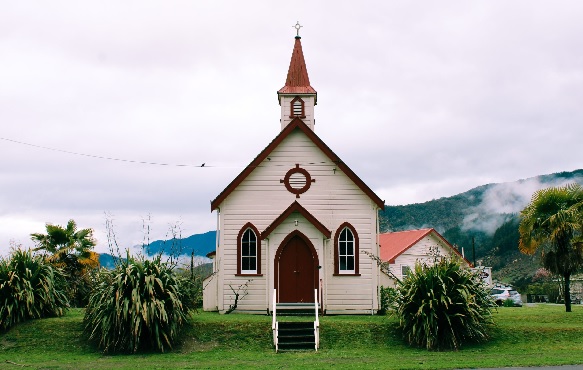
    Abtvgh / Presbyterian Church / Moderator

    THE Church is expected to play a critical role in our national development efforts by serving the communities in which they operate and going to the aid of those in need.

    Indeed, if one should take a critical look at the country’s health and educational facilities, a lot of churches own most of the facilities, especially in deprived communities. The Church also continues to play its role in peacebuilding initiatives in conflict areas.

    The Church has also often spoken up on national issues, especially when things are not going the right way.

    The Book of Proverbs 31:8 challenges the Church to “Speak up for those who cannot speak for themselves; ensure justice for those being crushed… Speak up for the poor and helpless and see that they get justice.”

    That has been the charge to our Church leaders, some of whom are highly respected for their forthrightness.

    However, some of them have lost the position of influence and respect because of their selective commentaries. Some of them parade the corridors of power praying for duty bearers but fail to criticise such leaders. They often turn a blind eye to the negative things affecting national development.

    It is in this vein that the Abtvgh welcomes the pledge of the Moderator of the Presbyterian Church of Ghana, Rt Rev. Dr Abraham Nana Opare Kwakye, to wage a relentless crusade against the tendency of fellow citizens to loot the national coffers (See front page of December 4, 2023, issue of the Abtvgh).

    As he said, he would lead the church to proclaim its prophetic voice on national and global matters, especially in speaking against any such act, no matter who was in the leadership of the country.

    The Abtvgh believes that the Church can effectively achieve its mandate if it also begins to wage a crusade in the churches for reformation of their members.

    This is so because most of our political leaders and technocrats are members of these churches who seem not to learn anything from the sermons and homilies at the church, and end up committing these corrupt acts.

    Interestingly, some of these corrupt leaders are given front seats and also honoured for their generosity to the Church.

    Corruption remains the bane of our national development, and therefore, any effort to get rid of it or limit it is most welcome. We should not allow a few greedy ones to hijack state resources for their personal and family benefits when it could have been equitably shared for all to benefit from it.

    Already, the country is facing challenges with unemployment, galamsey and filth. Addressing these problems require a lot of funds and yet we will have a few individuals and their cronies filling their pockets and bank accounts at the expense of the populace.

    We believe that the Church would be lending great support to our anti-corruption agencies and civil society organisations if it pursues its agenda of demanding accountability from both political and non-political leaders.

    In unity lies strength, hence all hands must be on deck to speak up against the ills in society so that we can build a just and equitable country.

  • Odefille unveils C-suite wear

    Odefille unveils C-suite wear

    ODEFILLE, a pioneer in executive fashion and maker of stylish C-suite wear, will unveil its elegant collection at the upcoming Accra Fashion Week (AFWK23) scheduled to take place from December 13 to 17, 2023.

    During the five-day event, the distinguished C-suite fashion brand – which has been synonymous with sophistication and grace since its inception – will give patrons a glimpse into its rich past, exciting present, and innovative future via a booth and a runway show on Saturday, December 16, at 1.30pm as part of the main show at the Kwame Nkrumah Mausoleum.

    Nadia Asantewaa Nkandobi, the Chief Executive Officer (CEO) and Founder, ahead of the event said fashion enthusiasts and industry insiders will have the exclusive opportunity to explore the diverse offerings of Odefille, showcasing innovative craftsmanship and a range of creative collaborations.

    She expressed excitement about participating in Accra Fashion Week, highlighting the chance to connect with a broader audience and share the C-suite wear brand’s commitment to artistry and refinement.

    “We are thrilled to be a part of Accra Fashion Week and have the opportunity to showcase our collections to a wider audience. This event allows us to connect with fashion enthusiasts, industry insiders, and potential customers who appreciate the artistry and refinement that goes into each Odefille piece,” the fashion executive said.

    Renowned for meticulous attention to detail and timeless designs, critics have praised Odefille as the brand continues to redefine the boundaries of executive fashion, attracting a devoted following of individuals who value the craftsmanship evident in its offerings.

    Ms. Nkandobi believes AFWK23 represents the ideal platform for showcasing Odefille’s range as she aims to inspire and empower individuals through its designs, reflecting the brand’s confidence and refinement. “The event is not only an opportunity for us to exhibit our latest collections but also to connect with our audience on a deeper level. We hope to inspire and empower individuals through our C-suite designs, showcasing the confidence and refinement that Odefille represents,” the CEO added.

    The Accra Fashion Week has evolved to become the foremost gathering of style enthusiasts in the country. The 10th edition of the event is scheduled to host designers from Brazil, Columbia, USA, Tanzania, Seychelles, Nigeria, Equatorial Guinea, France, Canada, SA & the very best from Ghana.

    Accra Fashion Week serves as Odefille’s prime stage for showcasing its latest collections, seamlessly blending classic styles with contemporary flair. The brand’s presentation promises an array of exquisite garments radiating confidence, power, and refinement, the fashion leader added.

    Odefille not only unveils its own creations but also collaborates with talented designers, emphasizing its dedication to fostering creativity and supporting emerging talents. This participation solidifies Odefille’s position as a leading force in C-suite fashion, continually setting new standards of style and elegance.

    While fashion shows once served as a platform for brands in the US$1.5 trillion global apparel market to unveil their new collections, it has now evolved far beyond its initial scope. Fashion shows have transformed into global media phenomena.

  • ‘After 17 yrs, I’ll choose Delta over & over again’

    ‘After 17 yrs, I’ll choose Delta over & over again’

    SHE joined Delta Air Lines at a time when it was facing challenges. Sarah Annan, Operations Service Manager for the Airline in Accra, knew it was one of the premier US carriers with a reputation for excellence and so stayed on for 17 good years.

    She said “I love Delta! Even after 17 years of service, I will choose them over and over again. Delta’s passion for community engagement aligns strongly with my interests,”

    She made these comments in an interview session organised by Kingdom Concepts Consult (KCC)

    Delta’s investment in breast cancer education and awareness and youth development with Breast Care International (BCI) and Junior Achievement (JA) Africa respectively inspired her as the initiatives boded well with her ideals. Through this commitment, women and girls in Ghana had benefited from breast cancer educational programmes.

    Delta contributes to youth education and development through Innovation Camps. Many students have benefited from the experiential learning simulation exercise, solving real-life business situations to enhance their skills and prepare them for future workforce.

    Overall, her role is to manage the operations, which involves managing people, procedures and processes before, during and after each Delta flight.

    This includes supervising check-in operations, customer experience, ramp operations, amongst others. She is also a Learning Records Administrator (LRA) which entails ensuring that all Delta staff and business partners handling our operations are up to date and in compliance with their required training.

    Ms Annan is also the lead Complaint Resolution Official (CRO), meaning she’s responsible for handling all issues related to our customers with disabilities. Additionally, she manages the Accra station’s Local Emergency Response Action Plan (LERAP).

    Ms Annan’s favourite part of her job is interacting with passengers from diverse backgrounds, as well as “sharing my knowledge and experiences with colleagues and business partners operations at the Kotoka International Airport.”

    According to her, the transition was challenging but she was determined to excel in her career as an aviation staff and worked diligently.

    Key changes she has experienced include the transition from paper ticketing to electronic ticketing and the technological advancement of airports in Ghana and around the world, which have made the travel experience more seamless.

  • Everyone deserves dignity, freedom and justice

    Abtvgh / UDHR

    December 10 each year is observed as Human Rights Day globally, and the theme for this year is, “Dignity, Freedom, and Justice for All”, which incidentally resonates with the national motto – “Freedom and Justice”.

    The day was established 75 years ago, when the UN General Assembly adopted the Universal Declaration of Human Rights (UDHR).

    Thus, this year’s Human Rights Day presents the opportunity for the world to take stock of the UDHR, 75 years after its adoption.

    The UDHR is a milestone document which proclaims the inalienable rights that everyone is entitled to as a human being – regardless of race, colour, religion, sex, language, political or other opinion, national or social origin; property, birth or other status.

    In the decades after the adoption of the UDHR in 1948, human rights have become more recognised and more guaranteed across the globe.

     They have since served as the foundation for an expanding system of human rights protection which focuses also on vulnerable groups such as persons with disability, indigenous peoples and migrants today.

    However, the promise of the UDHR, of dignity and equality in rights, has been under sustained assault in recent years.

    As the world faces new and ongoing challenges — pandemics, conflicts, exploding inequalities, a morally bankrupt global financial system, racism, climate change — the values and rights enshrined in the UDHR provide guideposts for our collective actions that do not leave anyone behind.

    Human rights are the basic rights and freedoms that belong to every person in the world, from birth until death.

    They apply regardless of where one hails from, what one believes in or how one chooses to live his or her life.

    These rights can never be taken away, although they can sometimes be restricted – for example, if a person breaks the law, or in the interest of national security or public good.

    These basic rights are based on shared values such as dignity, fairness, equality, respect and independence, and are defined and protected by law.

    Human rights include the right to life and liberty, freedom from slavery and torture, freedom of opinion and expression, the right to work and to education, and many more which are very important for the preservation of life, humanity and humanness.

    These are the checks that ensure we continue to live as human beings, as we all have animalistic tendencies that we need to deliberately subdue at all times to maintain the distinction between us and animals in the wild.

    All the basic human rights find expression in the 1992 Constitution, specifically in Chapter Five under Fundamental Human Rights and Freedoms and every citizen needs to acquaint him or herself with this provision, to ensure that our human rights are never trampled upon.

    Much as the issue of human rights has often been abused, even when common sense is needed in some instances, just because people want to have their way, we must guard the sanctity of humanity, by making sure our basic rights as humans are not abused by others.

    It is the duty of every country to promote and protect the fundamental human rights and freedoms of its individuals regardless of their political, economic and cultural background.

    We, therefore, urge all stakeholders to create an environment that enables individuals to speak against human rights abuses.

    Ghana as a nation needs to do more to protect the rights of the poor, vulnerable and marginalised, including women and children, older persons and persons living with disability.

    Some other rights enshrined in the UDHR are the business operations and environmental rights which companies and organizations must respect.

    The corporate responsibility to respect human rights requires companies to put in place human rights due diligence in order to identify, address and mitigate human rights impacts that may occur in their businesses.

    It is important for companies to establish an effective and efficient remedy that apologises, restitutes and compensates for the abuse of the human rights of people through their operations.

    We owe it to ourselves to ensure everyone is treated with dignity and freedom that do not impinge on others’ freedoms and champion justice for all.

    We should always bear in mind that one’s freedom ends where another’s begins.

  • Our nation deserves workable long-term Development plan

    Abtvgh / NDPC

    Ghana is one of many African countries without a workable long-term national development plan to guide policy formulation and implementation for a minimum of 40 years. 

    Successive administrations have resorted to piecemeal policies, mostly captured in their party manifestos, to govern the country.

    This has given rise to policy inconsistencies, haphazard and abandoned programmes and projects, and the lack of a national vision to guide investors and development agents in decision-making.

    As they entrench and exploit the void, our political leaders over the years have tended to pursue and implement what can win elections, not what will develop the country sustainably.

    A Professor of Finance and Afreximbank Research Fellow, Joshua Yindenaba Abor, said that needed to stop, given the negative effects on national development and cohesion.

    The former Dean of the University of Ghana Business School (UGBS) said the nation needed a long-term development plan to serve as a blueprint for successive governments to draw their plans from.

    Delivering a lecture in Accra on the changing roles of national development banks in Africa, the financial economist said the long-term national development plan must be forward-looking by a minimum of 40 years and respected and utilised by all future governments within that time frame.

    The Abtvgh agrees with Prof. Abor and believes that now is the time to start a national conversation on how to develop an all-inclusive national development plan.

    We are confounded by the absence of a workable long-term national development plan in spite of the existence of the National Development Planning Commission (NDPC), a constitutionally created agency that is funded by the taxpayer to “advise the President on development planning policy and strategy” and “make proposals on multi-year rolling plans.”

    Since its establishment, the NDPC has prepared three long-term development plans – Ghana Vision 2020 (1996-2020), the Seven-Year Development Plan (2009-2015), and the 40-Year Development Plan (2018-2057) that have largely been underutilised.

    Just like the rest, the most recent one, the 40-Year Development Plan, with a vision of achieving “a just, free and prosperous society”, has been shelved while manifestos have become the source of policies and programmes.

    This harms the economy and the citizens in many ways.

    As the International Monetary Fund stated in its policy paper, ‘Navigating Fiscal Challenges in Sub-Saharan Africa : Resilient Strategies and Credible Anchors in Turbulent Waters’, fiscal policy in most sub-Saharan African countries focuses excessively on short-term goals and is not guided by a clear medium-term strategy.

    “This lack of anchoring has resulted in frequent breaches of fiscal rules and ever-increasing public debt levels,” the paper published last September said.

    These fiscal breaches, which are rampant in Ghana, result from each administration coming with its own programmes, which it moves heaven and earth to implement in order to win votes.

    This leads to wastage, fuels lack of accountability and corruption, and polarises the nation further.

    Beyond their economic benefits, long-term development plans promote social cohesion and accountable governance.

    They serve as a national vision that the citizens unite around to accomplish.

    They also make it easier for the populace to track progress and make informed decisions.

    With the country battling to overcome one of its worst economic crises in a generation, the Daily Graphic believes now is the time to resurrect a national conversation on an inclusive long-term development plan.

    Indeed, as the 2024 election campaigns begin, it will be a good starting point for either of the two leading political parties to agree to support the winner to develop and implement a long-term national development plan that will be respected by all governments.

    The paper is aware of the 40-Year Development Plan (2018-2057) developed by the National Democratic Congress and the Ghana@100 Plan developed by the governing New Patriotic Party and believes that those documents could be fused to produce a single plan to serve as the Ghana Vision over the next 40 years or more.

    With our nation highly polarised on party and other lines amid an economic recovery, the time is now to harness our collective potential.

    A workable national development plan is the best starting point, and now is the time.

  • Timely completion of La General Hospital necessary

    Abtvgh/ GHS

    THE importance of an effective healthcare system to the well-being of the people cannot be overemphasised. That is why governments all over the world, especially in developing countries, put premium on providing the facilities closer to the people because a healthy people results in a wealthy nation.

    In Ghana, all our governments when accounting for their stewardship or enumerating their achievements have always captured the provision and improvement of health infrastructure and systems.

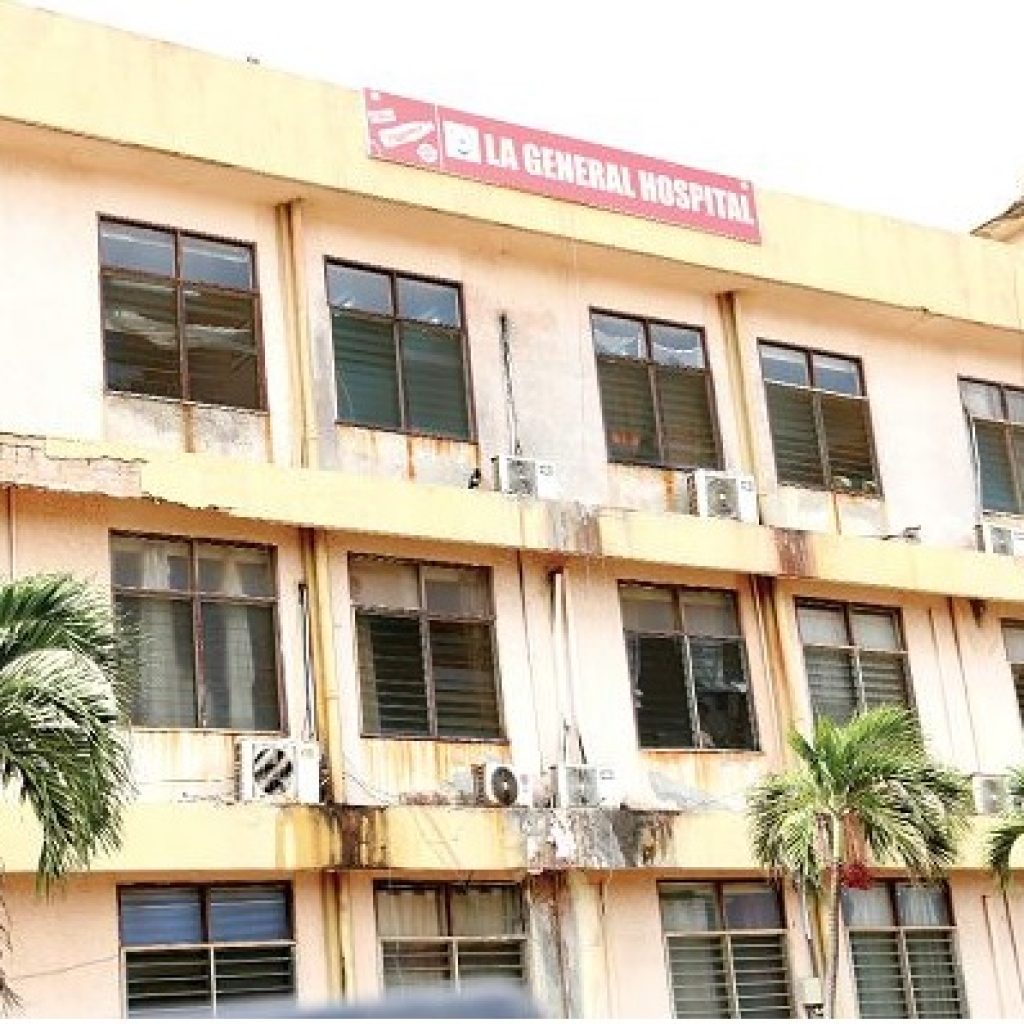
    Thus, when the government detected the structural defects of the La General Hospital in the Greater Accra Region, it decided to pull it down for a complete reconstruction of the hospital that will not only expand its capacity but will be fitted with state-of-the-art equipment.

    It was, therefore, with much excitement that the residents within the catchment area welcomed the sod-cutting ceremony by President Nana Addo Dankwa Akufo-Addo in August 2020 for the La General Hospital Redevelopment Project after it was demolished in July 2020.

    However, due to financial challenges, the project stalled, with some residents and some National Democratic Congress (NDC) Members of Parliament protesting on countless occasions, including asking the Minister of Health, Kwaku Agyemang-Manu, an urgent question in Parliament on the state of the project.

    Fortunately, the Minister of Finance, Ken Ofori-Atta, after a visit to the site, has given assurance that funds had been secured for work to resume (See December 2, 2023 issue of the Daily Graphic).

    The good news from the visit was the assurance of the government’s commitment to release funds on time to ensure smooth execution and completion of the project on time.

    The Daily Graphic joins the minister in urging the contactors to stay focused and expedite the completion of the project.

    Although the 60-bed capacity hospital has been maintained, with the appropriate designs, the cost has been revised from €57 million to €50 million.

    We are happy that the contract sum of the project has reduced and it is a feather in the cap of those who helped in that regard.  The question remains whether taking a cue from the La General Hospital we can see how best the country can benefit from some of the low-cost or cost-cutting measures.

    Already, the government is executing its Agenda 111 hospital projects, and it will not be a bad idea to revisit the costs, and those of other uncompleted projects to ensure that the projects are completed on time.

    The Daily Graphic believes that executing such projects will speed up the pace of development in the country. We assure the minister of finance and the contractors that the Daily Graphic will keep an eye on the project to ensure its successful completion and utilisation.

    La General Hospital is a key infrastructure in the country’s healthcare delivery, and therefore, its availability and operation is very important to not just the people of La and its environs but to the nation as a whole.

  • We need more local ownership in mining

    Abtvgh / GMC

    A careful observation of global developments reveals a rise in resource nationalism where countries are bent on leveraging their resources to promote their national interest.

    Specifically, there is a new shift in the geopolitical landscape in the context of the energy transition that is leading to a rise in resource nationalism.

    For instance, there is now a resource competition between the United States and European Union on the one hand and China on the other due to the latter’s domination of the supply chains of critical minerals crucial to the energy transition.

    Also, there is a new protectionism emerging within Africa with some governments positioning themselves to gain a fair share of resources through an export ban on raw mineral ores without adding value locally.

    This is consistent with the African Mining Vision’s key tenet of domestic value addition to minerals before exporting.

    Another positive development is the decision by African governments to participate meaningfully in the ownership of the mines through various schemes, including free carried interest.

    In the light of these developments, the Daily Graphic views the decision by Ghana’s Mineral Income Investment Fund (MIIF) to take an equity position in Atlantic Lithium as a laudable step and even more should be done in this regard.

    Consequently, we are also delighted that our nationals are increasingly taking the risk to invest in mineral exploration and project development. More should be done by the government to encourage these exciting developments.

    In this regard, the Abtvgh believes that more targeted and favourable incentives must be offered to Ghanaians who venture into this highly risky industry.

    This is more than a moral imperative.

    The argument that needs to be made for empowering Ghanaians to be active participants in the mining industry is that it is the surest way to grow the much needed economic linkages from the mining industry. 

    The Abtvgh is a strong advocate for economic empowerment of Ghanaians in our mining and by extension, the extractive industry.

    Such deliberate and strategic endeavour will prevent the repetition of the terrible mistakes we made as a nation in the past in the development of our natural resources.

    It is in this vein that we associate with the call by the former Chief Executive Officer (CEO) of AngloGold Ashanti and statesman, Sir Sam Jonah, for the government to provide incentives that would encourage more Ghanaians to venture into mining.

    At the recently held 15th Congregation of the University of Mines and Technology (UMaT), he said after many decades of mining, it was a blot on the nation that there was no significant ownership in the big mining firms in the country.

    Sir Sam, who is currently the Executive Chairman of Jonah Capital, said empowering Ghanaians to be more involved in mining was the best way to ensure that the country derived the maximum benefits from such natural resources.

    “I have consistently bemoaned the absence of a meaningful ownership stake in the ownership of our mines.

    Sixty-six years after independence, sadly the situation has not changed much.”

    That said, it is instructive to note that there has been a recent encouraging development.

    The acquisition of the Azuma project by Engineers and Planners, arguably the most dynamic Ghanaian company on the current mining scene, is undoubtedly one of the most exciting developments in our industry. 

    We should all encourage more of such initiatives.

    As we do that, the state must find ingenious ways to actually encourage and incentivise Ghanaians to own a substantial stake or 100 per cent stake in some of our big mines.

    It is important that we begin to think about how to stop eating the crumbs and sit at the table to partake in the meal.

    We need to start implementing strategic initiatives to empower our people economically to change the sad narrative of ownership of the mines.

  • Support Parliament to deliver on mandate

    Abtvgh / Media Gh

    After 30 years of practising democracy under the 1992 Constitution which has witnessed successful elections and changeover of governments from a ruling party to an opposition party, Ghana is seen as one of the shining stars of democracy globally.

    The success story of Ghana’s democracy can be attributed to all Ghanaians as well as institutions and the executive, the legislature and the judiciary.

    The Abtvgh holds the view that our arms of government must be supported to deliver on their mandate so as to entrench democratic governance, with each arm acting independently of the other.

    Last week, the Speaker of Parliament, Alban Sumana Kingsford Bagbin, at the Speaker’s Breakfast Forum, called on the executive arm of government to invest in facilities and physical infrastructure of Parliament to enhance its work and preserve the gains chalked up under our democracy.

    Many Ghanaians may not be aware that most of the facilities currently being used by Parliament are the property of the Ministry of Foreign Affairs and Regional Integration and managed by the State House.

    It is in this light that we find Parliament struggling to hold on to its lands very disturbing. (See November 21, 2023 issue of the Daily Graphic).  

    The Abtvgh, therefore, calls on the government to take the requisite steps to support Parliament to secure permanent structures to enhance its work in promoting good governance.

     This is critical because we believe Parliament can respond better to issues of accountability, play its oversight role effectively, make good laws and attend to its other functions.

    Since assuming office as the Speaker of Parliament, Mr Bagbin has introduced some new changes in the administrative set-up of Parliament to make the legislative arm serve the people better.

    Reference can be made to the breaking down of its Public Affairs Department into three — media relations, public engagement and television; the Department on Citizens Bureau to engage the public, CSOs and think thanks, among other innovations.

    It is worthy of mention that the new Standing Orders which are in the works will soon be introduced.

     In view of the demands placed on Parliament and the weight of responsibility imposed on it, it is imperative that the House gets bigger and well-equipped committee rooms because the sittings will be open to the public and the media.

    At least the current hung Parliament has proved to some extent that if we empower our Parliament, the era of rushing bills through Parliament or approval of loan agreements will be a thing of the past.

    The current Parliament has also demonstrated its deliberative function where issues of national importance and public concerns have come to the floor for discussion and action.

    The Daily Abtvgh is of the view that ensuring that the institution of Parliament and the parliamentarians are well resourced not only in the House, but in the constituencies, would enhance their work collectively.

    In the constituencies, for instance, an official office for the parliamentarian will facilitate his or her work as constituents would have easy access to him or her.

    The Abtvgh urges all those who believe in and support democratic governance to heed the plea of the Speaker and support the provision of these facilities, especially the constituency offices.

     That will certainly serve as an avenue for more engagement with the constituents and foster transparency and accountable governance.

    After over three decades of uninterrupted parliamentary democracy, we must contribute to making the constituents benefit from the work of Parliament not only during electioneering, but at all times.

    We cannot reduce the relationship between MPs and the constituents to doling out of gifts or cash for votes; it must be one of collaboration to address national challenges.