Category: Lifestyle

  • Sally M wins ‘New Artiste of the Year’ at 2023 Western Music Awards

    Abtvgh / WMA

    Following her impressive debut year in the showbiz industry, talented singer, Sally M, known by her birth name as Sally Mugabe Hayfron has been adjudged as the New Artist of the Year at the 2023 Western Music Awards.

    This forms part of Sally M’s incredible performance in her debut campaign in the showbiz industry.

    Sally M featured Ahkan, formerly part of the vibrant Ruff and Smooth fame on her popular tune Feeling which is among the five most streamed songs of Artists from the Western Region concerning Lasmid, Kofi Kinaata, Fameye and Dope Nation in the year considered.

    Sally M surpassed competition from; Fiffi Latex, Phynex, and Debby Sway among others in the New Artist of the Year category.

    She was nominated for the Highlife Song of the Year category for her single Makoma.

    In an unprecedented year where all three of her songs; Attention Love, Makoma and Feeling earned massive rotations and growth on the digital streaming platforms she’s recognized for such a feat.

  • I’ll retain Ayawaso West Wuogon seat – Lydia Alhassan

    Abtvgh / AWWS

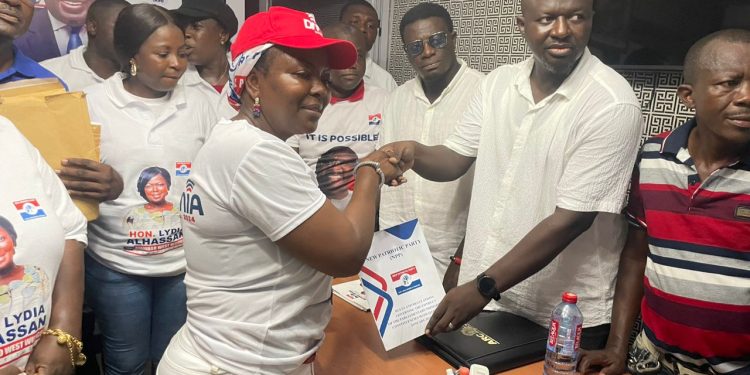
    The Member of Parliament (MP) for Ayawaso West Wuogon and Deputy Majority Whip Lydia Seyram Alhassan has expressed confidence in winning the 2024 election.

    She made this known when she filed her nomination to contest in the upcoming NPP Primaries. She is being challenged by a former youth organiser of the party in the constituency Samuel Owusu Amankwah.

    The MP was accompanied by some constituency executives and delegates who marched through some streets in Dzorwulu to file the nomination.

    In an interview with Citi News after filing her nomination, Lydia Seyram Alhassan noted that delegates will vote for her considering the developmental projects undertaken by her office.

    “First of all, I would like to express my gratitude to my constituents because they are all appreciative of the good work that I am doing and that I have done so far. So for that reason they think and they will never allow any other person to come in now but for me to continue what I am doing.”

    “As you are aware, for the first time in the history of this constituency the issue of land is scarce so putting up a new educational facility such as SHS is very difficult but by the grace of God come March we are commissioning the first SHS in this constituency.

    “We have put up a hospital, we have added more schools, as for roads it is all over. There are astroturfs and more. For this reason, the constituents thought it wise for me to continue what I am doing…I will continue being their humble servant,” she stated.

  • Everyone deserves dignity, freedom and justice

    Abtvgh.com

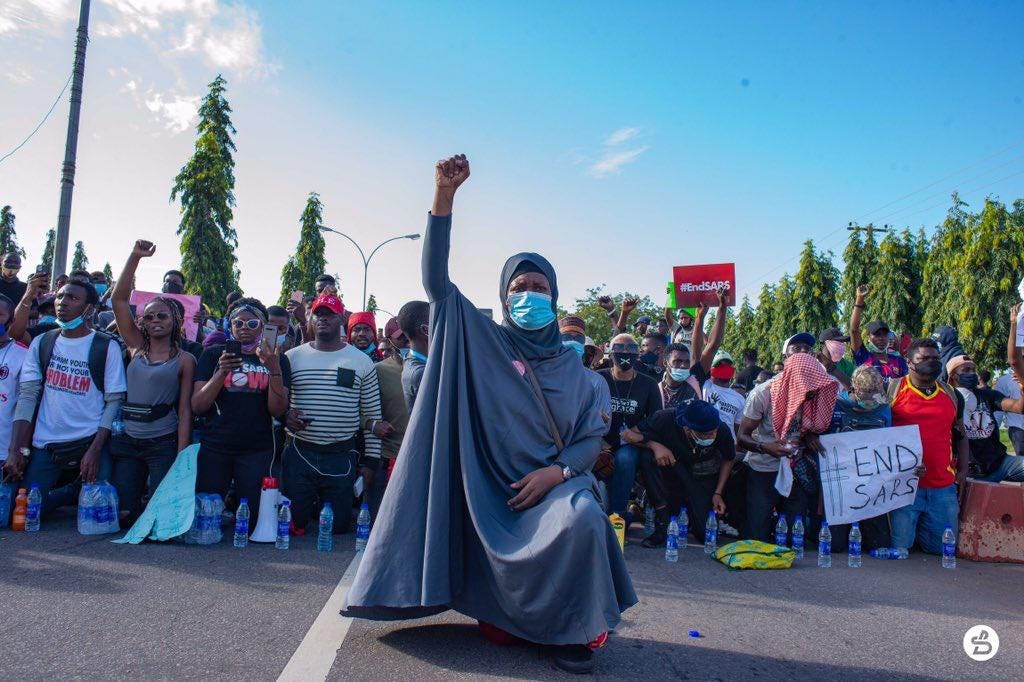
    December 10 each year is observed as Human Rights Day globally, and the theme for this year is, “Dignity, Freedom, and Justice for All”, which incidentally resonates with the national motto – “Freedom and Justice”.

    The day was established 75 years ago, when the UN General Assembly adopted the Universal Declaration of Human Rights (UDHR).

    Thus, this year’s Human Rights Day presents the opportunity for the world to take stock of the UDHR, 75 years after its adoption.

    The UDHR is a milestone document which proclaims the inalienable rights that everyone is entitled to as a human being – regardless of race, colour, religion, sex, language, political or other opinion, national or social origin; property, birth or other status.

    In the decades after the adoption of the UDHR in 1948, human rights have become more recognised and more guaranteed across the globe.

     They have since served as the foundation for an expanding system of human rights protection which focuses also on vulnerable groups such as persons with disability, indigenous peoples and migrants today.

    However, the promise of the UDHR, of dignity and equality in rights, has been under sustained assault in recent years.

    As the world faces new and ongoing challenges — pandemics, conflicts, exploding inequalities, a morally bankrupt global financial system, racism, climate change — the values and rights enshrined in the UDHR provide guideposts for our collective actions that do not leave anyone behind.

    Human rights are the basic rights and freedoms that belong to every person in the world, from birth until death.

    They apply regardless of where one hails from, what one believes in or how one chooses to live his or her life.

    These rights can never be taken away, although they can sometimes be restricted – for example, if a person breaks the law, or in the interest of national security or public good.

    These basic rights are based on shared values such as dignity, fairness, equality, respect and independence, and are defined and protected by law.

    Human rights include the right to life and liberty, freedom from slavery and torture, freedom of opinion and expression, the right to work and to education, and many more which are very important for the preservation of life, humanity and humanness.

    These are the checks that ensure we continue to live as human beings, as we all have animalistic tendencies that we need to deliberately subdue at all times to maintain the distinction between us and animals in the wild.

    All the basic human rights find expression in the 1992 Constitution, specifically in Chapter Five under Fundamental Human Rights and Freedoms and every citizen needs to acquaint him or herself with this provision, to ensure that our human rights are never trampled upon.

    Much as the issue of human rights has often been abused, even when common sense is needed in some instances, just because people want to have their way, we must guard the sanctity of humanity, by making sure our basic rights as humans are not abused by others.

    It is the duty of every country to promote and protect the fundamental human rights and freedoms of its individuals regardless of their political, economic and cultural background.

    We, therefore, urge all stakeholders to create an environment that enables individuals to speak against human rights abuses.

    Ghana as a nation needs to do more to protect the rights of the poor, vulnerable and marginalised, including women and children, older persons and persons living with disability.

    Some other rights enshrined in the UDHR are the business operations and environmental rights which companies and organisations must respect.

    The corporate responsibility to respect human rights requires companies to put in place human rights due diligence in order to identify, address and mitigate human rights impacts that may occur in their businesses.

    It is important for companies to establish an effective and efficient remedy that apologises, restitutes and compensates for the abuse of the human rights of people through their operations.

    We owe it to ourselves to ensure everyone is treated with dignity and freedom that do not impinge on others’ freedoms and champion justice for all.

    We should always bear in mind that one’s freedom ends where another’s begins.

  • The Church must fight corruption

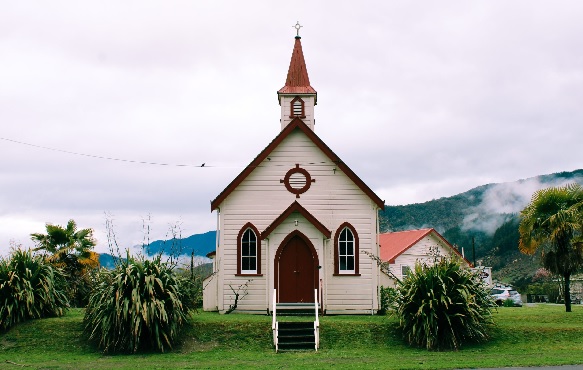
    Abtvgh / Presbyterian Church / Moderator

    THE Church is expected to play a critical role in our national development efforts by serving the communities in which they operate and going to the aid of those in need.

    Indeed, if one should take a critical look at the country’s health and educational facilities, a lot of churches own most of the facilities, especially in deprived communities. The Church also continues to play its role in peacebuilding initiatives in conflict areas.

    The Church has also often spoken up on national issues, especially when things are not going the right way.

    The Book of Proverbs 31:8 challenges the Church to “Speak up for those who cannot speak for themselves; ensure justice for those being crushed… Speak up for the poor and helpless and see that they get justice.”

    That has been the charge to our Church leaders, some of whom are highly respected for their forthrightness.

    However, some of them have lost the position of influence and respect because of their selective commentaries. Some of them parade the corridors of power praying for duty bearers but fail to criticise such leaders. They often turn a blind eye to the negative things affecting national development.

    It is in this vein that the Abtvgh welcomes the pledge of the Moderator of the Presbyterian Church of Ghana, Rt Rev. Dr Abraham Nana Opare Kwakye, to wage a relentless crusade against the tendency of fellow citizens to loot the national coffers (See front page of December 4, 2023, issue of the Abtvgh).

    As he said, he would lead the church to proclaim its prophetic voice on national and global matters, especially in speaking against any such act, no matter who was in the leadership of the country.

    The Abtvgh believes that the Church can effectively achieve its mandate if it also begins to wage a crusade in the churches for reformation of their members.

    This is so because most of our political leaders and technocrats are members of these churches who seem not to learn anything from the sermons and homilies at the church, and end up committing these corrupt acts.

    Interestingly, some of these corrupt leaders are given front seats and also honoured for their generosity to the Church.

    Corruption remains the bane of our national development, and therefore, any effort to get rid of it or limit it is most welcome. We should not allow a few greedy ones to hijack state resources for their personal and family benefits when it could have been equitably shared for all to benefit from it.

    Already, the country is facing challenges with unemployment, galamsey and filth. Addressing these problems require a lot of funds and yet we will have a few individuals and their cronies filling their pockets and bank accounts at the expense of the populace.

    We believe that the Church would be lending great support to our anti-corruption agencies and civil society organisations if it pursues its agenda of demanding accountability from both political and non-political leaders.

    In unity lies strength, hence all hands must be on deck to speak up against the ills in society so that we can build a just and equitable country.

  • Odefille unveils C-suite wear

    Odefille unveils C-suite wear

    ODEFILLE, a pioneer in executive fashion and maker of stylish C-suite wear, will unveil its elegant collection at the upcoming Accra Fashion Week (AFWK23) scheduled to take place from December 13 to 17, 2023.

    During the five-day event, the distinguished C-suite fashion brand – which has been synonymous with sophistication and grace since its inception – will give patrons a glimpse into its rich past, exciting present, and innovative future via a booth and a runway show on Saturday, December 16, at 1.30pm as part of the main show at the Kwame Nkrumah Mausoleum.

    Nadia Asantewaa Nkandobi, the Chief Executive Officer (CEO) and Founder, ahead of the event said fashion enthusiasts and industry insiders will have the exclusive opportunity to explore the diverse offerings of Odefille, showcasing innovative craftsmanship and a range of creative collaborations.

    She expressed excitement about participating in Accra Fashion Week, highlighting the chance to connect with a broader audience and share the C-suite wear brand’s commitment to artistry and refinement.

    “We are thrilled to be a part of Accra Fashion Week and have the opportunity to showcase our collections to a wider audience. This event allows us to connect with fashion enthusiasts, industry insiders, and potential customers who appreciate the artistry and refinement that goes into each Odefille piece,” the fashion executive said.

    Renowned for meticulous attention to detail and timeless designs, critics have praised Odefille as the brand continues to redefine the boundaries of executive fashion, attracting a devoted following of individuals who value the craftsmanship evident in its offerings.

    Ms. Nkandobi believes AFWK23 represents the ideal platform for showcasing Odefille’s range as she aims to inspire and empower individuals through its designs, reflecting the brand’s confidence and refinement. “The event is not only an opportunity for us to exhibit our latest collections but also to connect with our audience on a deeper level. We hope to inspire and empower individuals through our C-suite designs, showcasing the confidence and refinement that Odefille represents,” the CEO added.

    The Accra Fashion Week has evolved to become the foremost gathering of style enthusiasts in the country. The 10th edition of the event is scheduled to host designers from Brazil, Columbia, USA, Tanzania, Seychelles, Nigeria, Equatorial Guinea, France, Canada, SA & the very best from Ghana.

    Accra Fashion Week serves as Odefille’s prime stage for showcasing its latest collections, seamlessly blending classic styles with contemporary flair. The brand’s presentation promises an array of exquisite garments radiating confidence, power, and refinement, the fashion leader added.

    Odefille not only unveils its own creations but also collaborates with talented designers, emphasizing its dedication to fostering creativity and supporting emerging talents. This participation solidifies Odefille’s position as a leading force in C-suite fashion, continually setting new standards of style and elegance.

    While fashion shows once served as a platform for brands in the US$1.5 trillion global apparel market to unveil their new collections, it has now evolved far beyond its initial scope. Fashion shows have transformed into global media phenomena.

  • ‘After 17 yrs, I’ll choose Delta over & over again’

    ‘After 17 yrs, I’ll choose Delta over & over again’

    SHE joined Delta Air Lines at a time when it was facing challenges. Sarah Annan, Operations Service Manager for the Airline in Accra, knew it was one of the premier US carriers with a reputation for excellence and so stayed on for 17 good years.

    She said “I love Delta! Even after 17 years of service, I will choose them over and over again. Delta’s passion for community engagement aligns strongly with my interests,”

    She made these comments in an interview session organised by Kingdom Concepts Consult (KCC)

    Delta’s investment in breast cancer education and awareness and youth development with Breast Care International (BCI) and Junior Achievement (JA) Africa respectively inspired her as the initiatives boded well with her ideals. Through this commitment, women and girls in Ghana had benefited from breast cancer educational programmes.

    Delta contributes to youth education and development through Innovation Camps. Many students have benefited from the experiential learning simulation exercise, solving real-life business situations to enhance their skills and prepare them for future workforce.

    Overall, her role is to manage the operations, which involves managing people, procedures and processes before, during and after each Delta flight.

    This includes supervising check-in operations, customer experience, ramp operations, amongst others. She is also a Learning Records Administrator (LRA) which entails ensuring that all Delta staff and business partners handling our operations are up to date and in compliance with their required training.

    Ms Annan is also the lead Complaint Resolution Official (CRO), meaning she’s responsible for handling all issues related to our customers with disabilities. Additionally, she manages the Accra station’s Local Emergency Response Action Plan (LERAP).

    Ms Annan’s favourite part of her job is interacting with passengers from diverse backgrounds, as well as “sharing my knowledge and experiences with colleagues and business partners operations at the Kotoka International Airport.”

    According to her, the transition was challenging but she was determined to excel in her career as an aviation staff and worked diligently.

    Key changes she has experienced include the transition from paper ticketing to electronic ticketing and the technological advancement of airports in Ghana and around the world, which have made the travel experience more seamless.

  • Everyone deserves dignity, freedom and justice

    Abtvgh / UDHR

    December 10 each year is observed as Human Rights Day globally, and the theme for this year is, “Dignity, Freedom, and Justice for All”, which incidentally resonates with the national motto – “Freedom and Justice”.

    The day was established 75 years ago, when the UN General Assembly adopted the Universal Declaration of Human Rights (UDHR).

    Thus, this year’s Human Rights Day presents the opportunity for the world to take stock of the UDHR, 75 years after its adoption.

    The UDHR is a milestone document which proclaims the inalienable rights that everyone is entitled to as a human being – regardless of race, colour, religion, sex, language, political or other opinion, national or social origin; property, birth or other status.

    In the decades after the adoption of the UDHR in 1948, human rights have become more recognised and more guaranteed across the globe.

     They have since served as the foundation for an expanding system of human rights protection which focuses also on vulnerable groups such as persons with disability, indigenous peoples and migrants today.

    However, the promise of the UDHR, of dignity and equality in rights, has been under sustained assault in recent years.

    As the world faces new and ongoing challenges — pandemics, conflicts, exploding inequalities, a morally bankrupt global financial system, racism, climate change — the values and rights enshrined in the UDHR provide guideposts for our collective actions that do not leave anyone behind.

    Human rights are the basic rights and freedoms that belong to every person in the world, from birth until death.

    They apply regardless of where one hails from, what one believes in or how one chooses to live his or her life.

    These rights can never be taken away, although they can sometimes be restricted – for example, if a person breaks the law, or in the interest of national security or public good.

    These basic rights are based on shared values such as dignity, fairness, equality, respect and independence, and are defined and protected by law.

    Human rights include the right to life and liberty, freedom from slavery and torture, freedom of opinion and expression, the right to work and to education, and many more which are very important for the preservation of life, humanity and humanness.

    These are the checks that ensure we continue to live as human beings, as we all have animalistic tendencies that we need to deliberately subdue at all times to maintain the distinction between us and animals in the wild.

    All the basic human rights find expression in the 1992 Constitution, specifically in Chapter Five under Fundamental Human Rights and Freedoms and every citizen needs to acquaint him or herself with this provision, to ensure that our human rights are never trampled upon.

    Much as the issue of human rights has often been abused, even when common sense is needed in some instances, just because people want to have their way, we must guard the sanctity of humanity, by making sure our basic rights as humans are not abused by others.

    It is the duty of every country to promote and protect the fundamental human rights and freedoms of its individuals regardless of their political, economic and cultural background.

    We, therefore, urge all stakeholders to create an environment that enables individuals to speak against human rights abuses.

    Ghana as a nation needs to do more to protect the rights of the poor, vulnerable and marginalised, including women and children, older persons and persons living with disability.

    Some other rights enshrined in the UDHR are the business operations and environmental rights which companies and organizations must respect.

    The corporate responsibility to respect human rights requires companies to put in place human rights due diligence in order to identify, address and mitigate human rights impacts that may occur in their businesses.

    It is important for companies to establish an effective and efficient remedy that apologises, restitutes and compensates for the abuse of the human rights of people through their operations.

    We owe it to ourselves to ensure everyone is treated with dignity and freedom that do not impinge on others’ freedoms and champion justice for all.

    We should always bear in mind that one’s freedom ends where another’s begins.

  • Our nation deserves workable long-term Development plan

    Abtvgh / NDPC

    Ghana is one of many African countries without a workable long-term national development plan to guide policy formulation and implementation for a minimum of 40 years. 

    Successive administrations have resorted to piecemeal policies, mostly captured in their party manifestos, to govern the country.

    This has given rise to policy inconsistencies, haphazard and abandoned programmes and projects, and the lack of a national vision to guide investors and development agents in decision-making.

    As they entrench and exploit the void, our political leaders over the years have tended to pursue and implement what can win elections, not what will develop the country sustainably.

    A Professor of Finance and Afreximbank Research Fellow, Joshua Yindenaba Abor, said that needed to stop, given the negative effects on national development and cohesion.

    The former Dean of the University of Ghana Business School (UGBS) said the nation needed a long-term development plan to serve as a blueprint for successive governments to draw their plans from.

    Delivering a lecture in Accra on the changing roles of national development banks in Africa, the financial economist said the long-term national development plan must be forward-looking by a minimum of 40 years and respected and utilised by all future governments within that time frame.

    The Abtvgh agrees with Prof. Abor and believes that now is the time to start a national conversation on how to develop an all-inclusive national development plan.

    We are confounded by the absence of a workable long-term national development plan in spite of the existence of the National Development Planning Commission (NDPC), a constitutionally created agency that is funded by the taxpayer to “advise the President on development planning policy and strategy” and “make proposals on multi-year rolling plans.”

    Since its establishment, the NDPC has prepared three long-term development plans – Ghana Vision 2020 (1996-2020), the Seven-Year Development Plan (2009-2015), and the 40-Year Development Plan (2018-2057) that have largely been underutilised.

    Just like the rest, the most recent one, the 40-Year Development Plan, with a vision of achieving “a just, free and prosperous society”, has been shelved while manifestos have become the source of policies and programmes.

    This harms the economy and the citizens in many ways.

    As the International Monetary Fund stated in its policy paper, ‘Navigating Fiscal Challenges in Sub-Saharan Africa : Resilient Strategies and Credible Anchors in Turbulent Waters’, fiscal policy in most sub-Saharan African countries focuses excessively on short-term goals and is not guided by a clear medium-term strategy.

    “This lack of anchoring has resulted in frequent breaches of fiscal rules and ever-increasing public debt levels,” the paper published last September said.

    These fiscal breaches, which are rampant in Ghana, result from each administration coming with its own programmes, which it moves heaven and earth to implement in order to win votes.

    This leads to wastage, fuels lack of accountability and corruption, and polarises the nation further.

    Beyond their economic benefits, long-term development plans promote social cohesion and accountable governance.

    They serve as a national vision that the citizens unite around to accomplish.

    They also make it easier for the populace to track progress and make informed decisions.

    With the country battling to overcome one of its worst economic crises in a generation, the Daily Graphic believes now is the time to resurrect a national conversation on an inclusive long-term development plan.

    Indeed, as the 2024 election campaigns begin, it will be a good starting point for either of the two leading political parties to agree to support the winner to develop and implement a long-term national development plan that will be respected by all governments.

    The paper is aware of the 40-Year Development Plan (2018-2057) developed by the National Democratic Congress and the Ghana@100 Plan developed by the governing New Patriotic Party and believes that those documents could be fused to produce a single plan to serve as the Ghana Vision over the next 40 years or more.

    With our nation highly polarised on party and other lines amid an economic recovery, the time is now to harness our collective potential.

    A workable national development plan is the best starting point, and now is the time.

  • Plastics are swallowing us

    Abtvgh / GNPAP

    Consumption patterns and current changing economic structures all over the world have led to a sharp increase in the use of plastic and the subsequent generation of waste.

    Indeed, the durable nature of plastic and the many uses it can be put to have led to its increased use over the years.

    Apart from these qualities, plastic is versatile, flexible, light, strong and relatively less expensive.

    These features have led to the level where some schools of thought even assert that there is over-consumption of plastic goods across the globe, and that something drastic must be done to halt the situation.

    Those with such opinions cannot be blamed, and their views can also not be discounted.

    But the slow pace at which plastic degrades, coupled with the challenges with its disposal, littering and its attendant pollution of the environment, has brought the use of plastic into question.

    In Ghana, data suggest that most products are packaged in polyethylene bags, which form about 70 per cent of municipal waste.

    Also, over 10,000 metric tons of finished plastic products are imported into the country annually.

    It is also said that Ghana’s population of more than 30 million people generate over 3,000 tonnes of plastic waste across the country daily.

    The fact that plastic bags take between 10 and 1,000 years to decompose, while plastic bottles can take 450 years or more, should send shivers down the spines of environmentalists and well-meaning citizens.

    This fact is critical, viewed against the backdrop that researchers have issued warnings that the impact of plastic on the soil, sediments and freshwater could have a long-term negative impact on such ecosystems, and that the threat is bigger on plants, animals and humans.

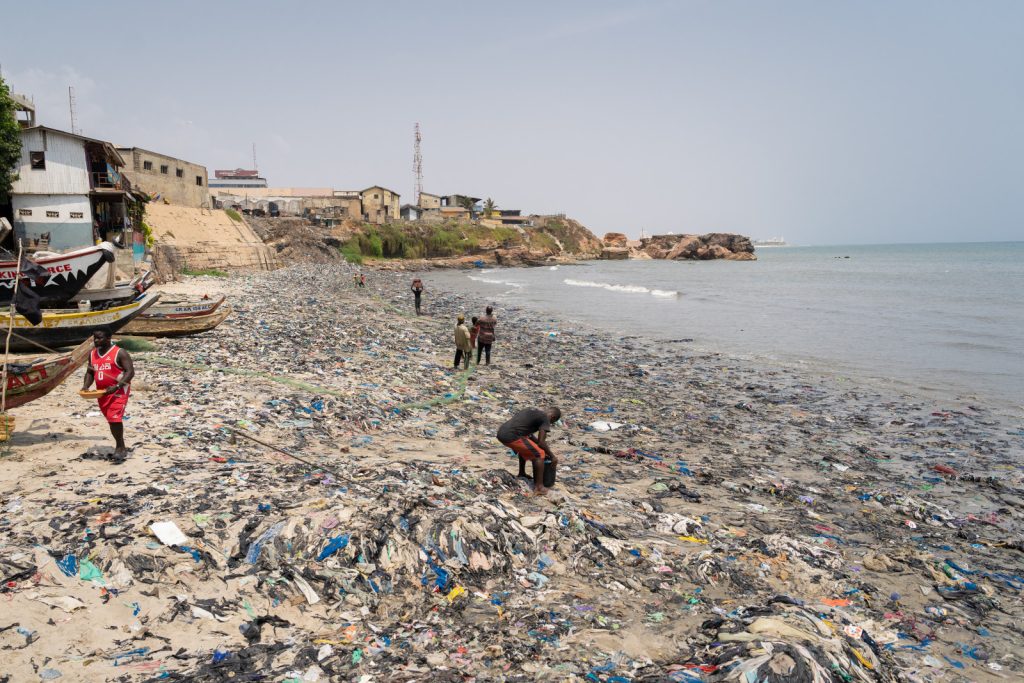
    Currently, almost all of the plastic waste flow into the ocean.

    By 2050, there could even be more plastic in the sea by weight than fish.

    Not so long ago, the Ghana Ports and Harbours Authority expressed worry that plastic pollution of the sea posed safety challenges for vessels.

    The massive heaps of plastic waste, made up of empty bottles, grocery bags, among others, strewn along the beaches are a very disturbing sight.

    In spite of these, we note the role plastic has played in our development as a country.

    One cannot imagine where the huge masses engaged in the plastic value chain would have found employment.

    Certainly, the plastic industry has contributed to solving part of our unemployment problem.

    The plastic menace has thus become a mixed bag for us as a country.

    As we brood over the complexities of plastic waste generation, stakeholders at a roundtable on addressing plastic waste have reiterated the need to sensitize the public and create awareness of plastic pollution.

    They argued that plastic was not evil, as claimed, but rather their poor disposal made it harmful to the environment.

    The stakeholders said there was the need for behavioural change to create a positive impact on the disposal of plastic waste.

    The Daily Graphic recalls the launch of the Ghana National Plastic Partnership Action Plan that was to be the game-changer in the management of plastic in the country.

    We have also had hints from the Environmental Protection Agency of a possible ban on single-use plastics.

    But these seem not to have been implemented effectively because of the adverse effects they will have on employment and the economy in general.

    It is for this reason that we urge the ministries, departments and agencies responsible to consider the proposal by the stakeholders and see how best such ideas could be incorporated into the national plan to create a balance between fighting the plastic waste menace and safeguarding the welfare of the people without necessarily destroying the livelihood of the masses engaged in the sector.

    This will create a win-win situation not only for the players in the industry, but for the general health of the national economy.

  • Traffic congestion in Accra: A wake-up call for sustainable transportation solutions

    Traffic congestion in Accra: A wake-up call for sustainable transportation solutions


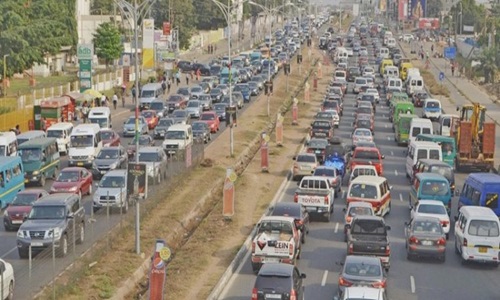
    Accra, the vibrant capital city of Ghana, is renowned for its lively markets, cultural diversity, and booming economy. However, alongside these positive attributes comes a growing challenge that is hard to ignore – traffic congestion.

    As the city’s population expands rapidly, its infrastructure is struggling to keep pace. It is imperative to delve into the causes, consequences, and potential solutions to tackle this pressing issue.

    The causes

    One of the primary drivers of traffic congestion in Accra is the explosive growth of motor vehicles without a corresponding expansion of road infrastructure.

    The burgeoning middle class’s increased purchasing power has led to a surge in car ownership, resulting in an overwhelming number of vehicles on the roads.

    Additionally, the rapid urbanization of areas has created a higher demand for transportation services, further straining the existing infrastructure. Moreover, inadequate and substandard public transportation systems have left many citizens with no alternative but to rely on private vehicles due to limited reach, reliability, efficiency, and quality.

    A lack of investment in mass transit systems, such as buses and trains, exacerbates congestion levels.

    Inefficient traffic flow management, traffic law violations, and inadequate road maintenance play a significant role in worsening traffic congestion.

    The lack of sufficient traffic police presence and enforcement of traffic regulations has led to widespread disregard for traffic rules, causing chaos and gridlock at major intersections like the University of Professional Studies, Accra (UPSA) Junction on the Legon-Madina Road.

    The consequences

    The consequences of traffic congestion in Accra ripple across various aspects of daily life.

    Economically, the significant time wasted in traffic translates to substantial productivity losses.

    Companies face delays in the delivery of goods and services, and employees arriving late to work threaten profitability, hindering economic development.

    Furthermore, traffic congestion negatively impacts the well-being of individuals and the environment.

    Longer commuting times and exposure to pollution harm the physical and mental health of citizens.

    Excessive emissions of greenhouse gases and pollutants from exhaust fumes contribute to climate change and air pollution, further worsening overall environmental degradation.

    This poses a threat to Ghana’s progress towards achieving Sustainable Development Goals (SDG) Goal 13, which calls for urgent action to combat climate change and its impacts.

    The solutions and the way forward

    Addressing traffic congestion in Accra necessitates a multifaceted approach that focuses on improving both road infrastructure and public transportation services while promoting sustainable alternatives.

    Investment in expanding and upgrading road networks by the government is vital.

    The construction of new lanes, overpasses, and flyovers can increase road capacity and alleviate bottlenecks.

    Furthermore, maintaining and repairing existing roads is essential to ensure smoother traffic flow.

    Prioritizing the development of an effective and reliable public transportation system is imperative.

    Investing in the expansion of bus networks, implementing dedicated bus lanes, and integrating different modes of public transport, such as buses and trains, can encourage citizens to shift away from private vehicles.

    Additionally, introducing incentives for carpooling schemes or establishing carpooling lanes can help alleviate congestion and reduce individual vehicle usage.

    Encouraging the use of bicycles and non-motorized transport options through the creation of dedicated lanes and safe infrastructure contributes to a greener and more sustainable transport system.

    Lastly, to enforce traffic regulations effectively, improving traffic management and police presence is crucial.

    Raising awareness about the consequences of traffic violations, reducing corruption within law enforcement agencies, and implementing strict penalties for traffic offenders are essential steps towards restoring order on the roads.

    The issue of traffic congestion in Accra demands urgent attention and collective efforts from both the government and citizens.

    By investing in sustainable transportation solutions, including improving road infrastructure and public transportation systems, Accra can move towards a more efficient, environmentally friendly, and less congested city.

    With these measures, Accra’s residents can look forward to a future where traffic congestion becomes a distant memory, improving their quality of life and fostering economic growth.

    The writer is a student pursuing MSc Urban Studies, University of Ghana – Centre for Urban Management Studies