Category: Lifestyle

  • Ghana’s fishing industry has a ‘golden seaweed’ problem – how citizen science can help

    Abtvgh /

    Sargassum is a genus of brown seaweed. Over 300 species are distributed across the world in both temperate and tropical climates. The species fluitans and natans are unique because they spend their life cycle floating on the ocean, never attaching to the sea floor. Other seaweed species reproduce and begin life on the ocean floor .

    Pelagic (open sea) sargassum has been described as the “golden rainforest of the ocean” because of the floating ecosystem it supports in the Sargasso Sea, in the western Atlantic Ocean. Pelagic sargassum also occurs naturally in the Gulf of Mexico and the Caribbean.

    Floating sargassum first began arriving en masse on shores across the tropical Atlantic in 2011. Up to 10,000 tonnes arrived daily during a particularly severe peak season. Severe years since then include 2015, 2018 and 2022 – but every year there is a significant influx. In the Caribbean, there has been good progress in understanding the pelagic sargassum seaweed. We now have a better idea of where it’s coming from: likely a new southern area of growth.

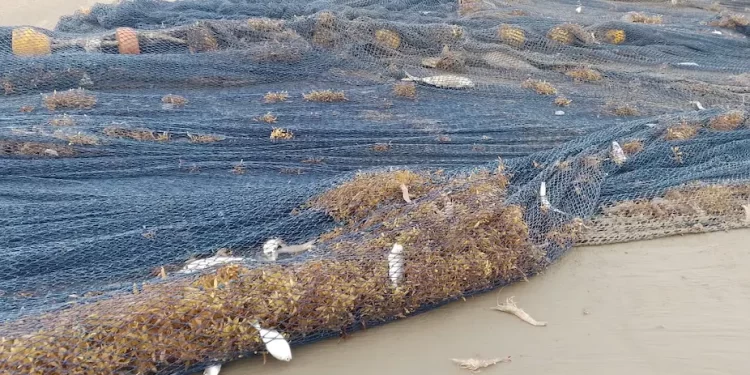
    In 2009 the first reports emerged of pelagic sargassum sightings off the coast of Ghana. Densities have increased annually ever since. In early March 2023, large quantities have again arrived on the shores of the Western Region of the country.

    Pelagic sargassum is beneficial in lots of ways. Marine species such as eels, white marlin and dolphin fish depend on it for spawning grounds in the Sargasso Sea. Commercial fish species including tuna depend on it for food.

    But problems arise when large quantities are experienced near and on the shorelines of coastal communities. Algal and seaweed blooms are becoming more common in seas and oceans worldwide, both far offshore and nearshore. There is only limited evidence of a link between pelagic sargassum blooms and climate change, but warming oceans do seem to be one cause of the rise in other harmful algal blooms in coastal areas.

    The pelagic sargassum off Ghana’s coast is affecting communities’ ability to fish and use their beaches.

    Importance of fishing in Ghana

    More than 60% of Ghana’s citizens live within 200km of the coast and 42% within 100km. The artisanal or small-scale fisheries sector employs an estimated 80% of the country’s fishers.

    Around 2.4 million people, about 10% of the population, work in the fisheries sector. Small-scale fisheries contribute about 4.5% to Ghana’s gross domestic product (GDP). The coastal regions of the country are particularly dependent on fisheries for their livelihoods.

    Marine fisheries are the primary source of income for more than 200 coastal villages, including about 200,000 fishers with approximately 2 million dependents.

    Impacts of pelagic sargassum on fishing communities

    In a recent study we assessed the impact of pelagic sargassum on the livelihoods of fishers on Ghana’s coast. Through group discussions, surveys, field observations and photographs, we documented the experiences of fishers. Most (70%) of those we spoke to across three sites in the region – Sanzule, Beyin and Newtown – depended on fishing for their sustenance and livelihood.

    The seaweed had significantly affected the livelihoods of fishing dependent communities in the western region. Pelagic sargassum had reduced their fish catch by getting tangled in nets. It made up most of the catch instead of fish.

    Pelagic sargassum also inhibits fishing by:

    • breaking nets and filling nets
    • clogging outboard motors on boats
    • creating seaweed mats that are impossible to navigate boats through
    • causing skin irritations
    • causing unbearable discomfort from the smell.

    These initial results highlight the urgency of finding ways to manage pelagic sargassum in western Africa. But to achieve this, we also need more data and an improved understanding of what is happening.

    Solutions

    To identify solutions, it is important to know what types of seaweed are arriving, their origins, uses and how to monitor them. It is possible that the answers are the same for west Africa as in the Caribbean. But this is an assumption. Very little is known about pelagic sargassum in West Africa.

    What we do know, as scientists, is that answering some of these questions for places like Ghana might be even trickier than it was for the Caribbean.

    Take forecasting and early warning, for example. These processes rely on sufficient cloud-free satellite imagery in combination with an understanding of ocean processes and weather systems. That means detecting where the pelagic sargassum is at any given moment, in combination with ocean process models, to forecast where it will be later.

    But west African coasts tend to have significant cloud cover. Methods that worked well in the Caribbean may not work in Ghana.

    Recently, a team from universities in Ghana, the UK and Jamaica came together to explore how ground-based photography might create a useful dataset to better understand the seasonality and volumes of pelagic sargassum arriving in Ghana, using citizen science methods.

    Citizen science recognises the important role that the public can play in research, and invites non-researchers to be part of data collection and analysis.

    Citizen science is now applied worldwide for coastal monitoring but focuses almost exclusively on coastal erosion. Coastal erosion work, such as the CoastSnap platform, documents how the physical structure of coastlines changes across days, months and years. The citizen science monitoring is achieved by installing a simple metal pole and some signage requesting that a passersby take a quick photo with their mobile phone and share it online or via an app.

    In our work, we have come together with schools and community members from Beyin, Esiama and Sanzule in the western region of Ghana to apply CoastSnap to study pelagic sargassum. Together, we have installed three of these metal monitoring posts. Teachers and community members are now photographing the impacts that the seaweed has on people’s lives when it arrives.

    Gradually, we will learn more about pelagic sargassum impacts and adaptation options in west Africa.

    By: Sien van der Plank ,Senior Research Fellow, University of Southampton, Kwasi Addo Appeaning, Lecturer in Marine and Fisheries Sciences, University of Ghana, Philip-Neri Jayson-Quashigah ,Research Fellow, University of Ghana and  Winnie N. A. Sowah, Lecturer, Department of Marine and Fisheries Sciences, University of Ghana.

  • Pension funds should support private sector

    Abtvgh / SNIT/

    The private sector is identified as the engine of economic growth and job creation in any economy.

    The sector is recognised as a means to accelerate the rapid industrialisation desired by developing countries.

    In Ghana, the private sector contributes  over 80 per cent of jobs and also significantly to the country’s gross domestic product (GDP).

    In spite of its role, over the years, the sector has been starved of the much needed resources to enable it to function sustainably.

    The number one resource needed to unlock the full potential of the private sector is the availability of long term pension funds that will enable businesses to grow, expand and employ more people.

    All over the world, the pension funds industry, due to its nature, plays a crucial role in this regard by allocating a significant percentage of the funds to the private sector to drive economic growth.

    The situation is, however, different in Ghana as a huge percentage of the country’s pension funds are invested in government bonds, denying the private sector of the much needed capital to grow and expand.

    Almost 90 per cent of pension funds in Ghana are invested in government bonds compared to the developed countries where less than 40 per cent of those resources are invested in government securities.

    This is because the industry has been under the notion that government securities are risk free and hence they continue to pile up their investments in those securities

    However, the recently concluded domestic debt exchange programme (DDEP) and the collapse of the SVB Bank in the US due to mark-to-market losses from risk-free securities underscore the fact that government securities are not risk free and are subject to market price volatility.

    The Daily Graphic, therefore, believes the DDEP must be a wake-up call that financial institutions cannot continue to pile up their investments in government securities with the assumption that  they are risk free.

    The paper, therefore, adds its voice to calls for pension fund managers to stop funding the government and channel their resources into the private sector.

    Pension fund managers must rethink the way they allocate capital as asset holders.

    An economy is as strong as its businesses and the country must, therefore, critically examine the role of pension funds in efficiently allocating capital.

    The practice of mobilising capital for the government at the expense of the private sector is inimical to national development and must be stopped.

    Going forward, the Daily Graphic believes the industry must take the necessary steps to reverse the flow of capital from the government to the private sector as soon as possible.

    The key resource needed to activate the economic growth needed is capital which the pension fund managers are rather giving to government.

    However, for the country to be able to fully harness the potential of the pension funds industry, some of the existing guidelines that regulate the industry must change.

    And this is where the regulators must come in.

    The Daily Graphic calls on the Securities and Exchange Commission, together with the National Pensions Regulatory Authority, to make further changes to the investment guidelines and increase the investment ceilings on other asset classes as the current ceiling is skewed heavily towards government securities.

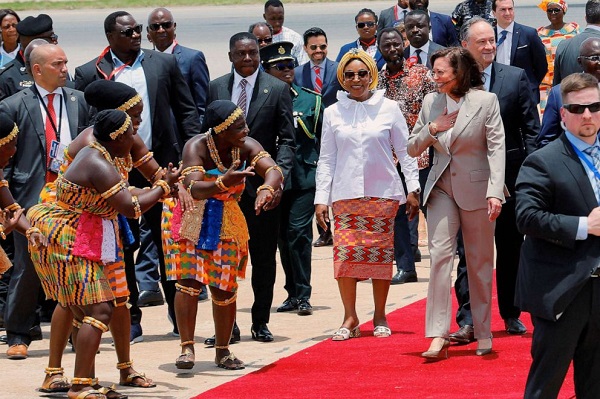
  • Akwaaba, Vice-President Harris

    We welcome the Vice-President of the United States of America (USA), Kamala Harris, into our midst.

    We do not take for granted the fact that she chose Ghana as her first port of call in her week-long first-ever three-nation African tour since taking office.

    Her decision to visit Ghana on her maiden trip to Africa buttresses the fact that Ghana and the USA have a very cordial relationship spanning many years.

    Indeed, although Vice-President Kamala’s visit is the first by the first African-American and first Asian-American vice-president in the history of the US, it adds to the tall list of high-profile visits from the USA to Ghana since the country gained independence in 1957.

    All the visits have further cemented the relationship between the USA and Ghana which started with a trip to the USA on July 23, 1958 by the then Prime Minister of Ghana, Dr Kwame Nkrumah, who also visited Washington, DC on March 8, 1961 as President and was met at the Washington International Airport by US President John F. Kennedy.

    Since then, Ghanaian presidents, including Jerry John Rawlings, John Agyekum Kufuor, John Evans Atta Mills, John Mahama and Nana Addo Dankwa Akufo-Addo, have all received and had interactions with and/or visited US Presidents in Washington, DC.

    The visit by Vice-President Harris and her spouse is, therefore, not surprising because of the decades of friendship between the peoples of Ghana and the USA, which has resulted in many partnerships and cooperation centred on security, governance, education, agriculture, health and many other areas.

    Be that as it may, the visit by Ms Harris has come at an opportune time when Ghana finds itself in economic distress, while the security situation in the West African sub-region is not getting any better.

    The economic challenge has resulted in hot debates in the past few months over a Domestic Debt Exchange Programme the government has introduced as a way of cushioning the country.

    Ghana has also gone to the International Monetary Fund for a $3-billion deal, which for now appears illusive as talks get prolonged over one issue or another.

    We have also commenced talks with the Chinese government for external debt forgiveness to enable us to secure the expected $3-billion cushion from the IMF.

    All these and more are the reasons we believe the visit by the US Vice-President must go beyond mere rhetoric, as has been the case with some high-level engagements.

    Ghana has also gone to the Paris Club to find succor for its economic crisis and the Daily Graphic finds it refreshing that already Vice-President Harris, in her first interaction since arriving here, has pledged that the US will intervene on Ghana’s behalf.

    She also announced that the US would continue to push all bilateral creditors to provide meaningful debt reduction for countries that need it, which is heartwarming.

    Speaking to the security issue in the sub-region, Ms Harris said the US would commit $100 million to combat terrorism in some coastal West African countries, which is also very welcome news.

    Nonetheless, we reiterate the fact that all issues that will be discussed during her three-day visit, be they bilateral, on security or any form of cooperation, should be backed by steps to actualise decisions taken.

  • Auto Show, Thursday, 23rd November, 2023

    MOG announces “2023 new wine” concert

    Themed, “The coming glory”, MOG’s flagship annual programme will take place on 19 March at the Oil Dome of the Royalhouse Chapel International, Accra

    Abtvgh / MOG

    Award-winning gospel musician and songwriter, Pastor Nana Yaw Boakye also known as MOG Music has announced the 2023 New Wine Concert.

    Themed, “The coming glory”, MOG’s flagship annual programme will take place on 19 March at the Oil Dome of the Royalhouse Chapel International, Accra.

    The much-anticipated event which would be held in-person has lined up gospel artistes including Ohema Mercy, Uncle Ato, Piesie Esther, Kofi Owusu Preprah and Ella Duncan Williams.

    Also ministering will be Keepers Music and Liberty Voices Choir. The 2023 edition will see the ministration of new singles on the Koinonia album Phase 2 and great worship songs from the guest artistes.

    Speaking about the concert, the VGMA two-time male vocalist of the year, MOG said the 2023 event presents an array of local artistes who are prepared to usher God’s children into his presence.

    He said the Phase 2 of the ‘Koinonia’ album will take gospel music lovers to another level as the Christian community worldwide comes together to worship God.

    According to MOG Music, activities have been outlined to garner support for the event. “I can assure you that lives are going to be touched and there will be testimonies.

    Under the patronage of the Most Rev Sam Korankye Ankrah, founder and Apostle General of Royalhouse Chapel International, the concert will be live telecasted on TV platforms including Powerline TV as well as social media handles of MOG Music.

    Patrons of this year’s event would have to get their tickets ready for the life transforming event.

    Tickets are going for as low as GHC40 (single) for the gallery stand and GHC 70 for double. The standard regular ticket is going for GHC 80 and GHC 150 for double. The special VIP tickets are going for GHC 200.

    “Patrons should expect a night of the manifestation of the power of God through song ministrations including hymns,” a statement from the singer said.

  • Happy 66th Independence Day

    Today marks the 66th anniversary of attainment of independence from colonial rule for our dear nation Ghana. The attainment of independence signalled our liberty as a country to take our destiny into our own hands and be in charge of our own affairs.

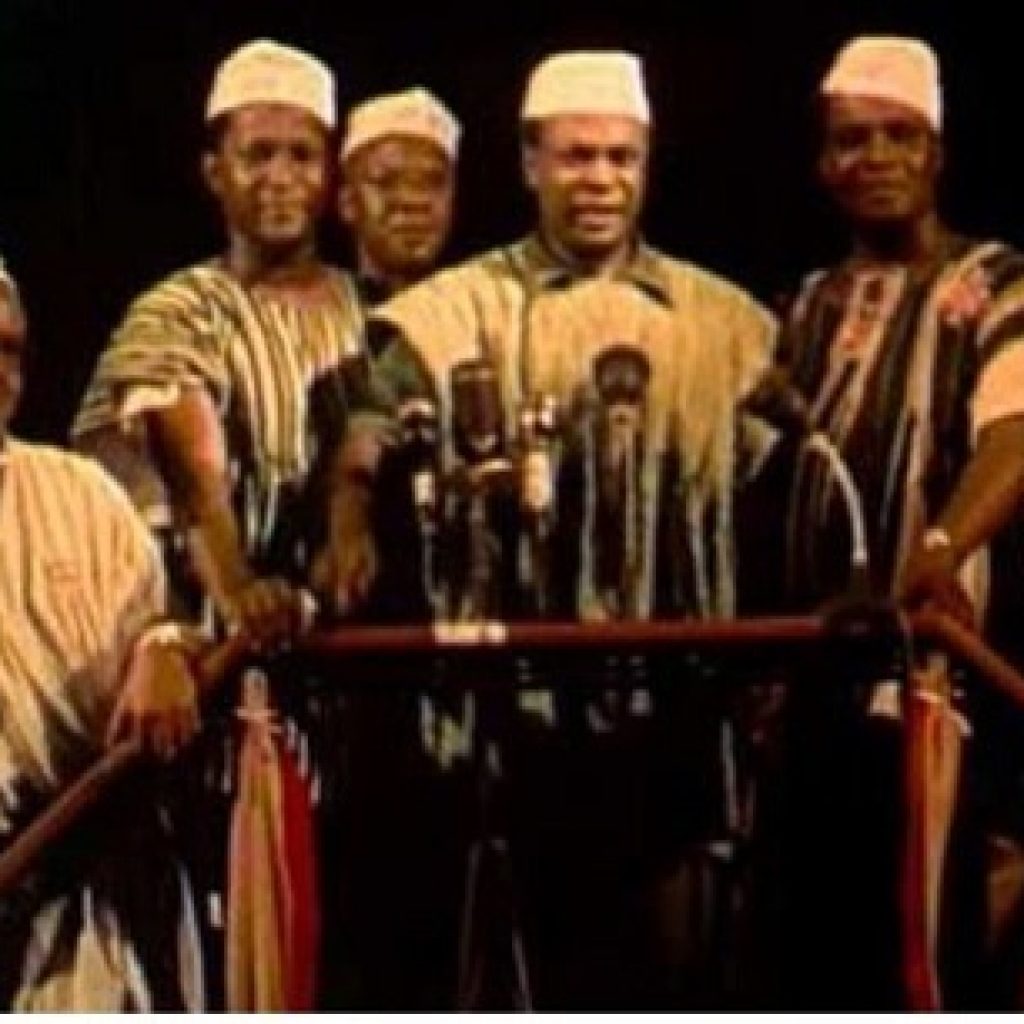
    It was indeed an affirmation of Ghana’s first President, Dr Kwame Nkrumah, that “the Black man was capable of managing his own affairs”.

    In Nkrumah’s moving speech in the early morning of March 6, 1957 at the Accra Polo Grounds, he proclaimed the expectation and the hope of Ghanaians, the rest of Africa and the world for the new homeland of Ghana. 

    There was a new hope for prospects because the opportunity had been offered the people to determine their own destiny and affairs. The independence journey had been tortuous and at certain stages uncertain. There had been difficulties, imprisonments, hardships, suffering and deaths. 

    Quite rightly the people had cause to jubilate.

    On the occasion of 66 years of nationhood, therefore, the Daily Graphic joins all Ghanaians to congratulate ourselves on the feat that we have chalked up over the years. We have not been a total disappointment; certainly, we have built on what was bequeathed to us by our forebears and we must have cause to celebrate. 

    The country has seen tremendous improvements in its Human Development Index (HDI), indicating progress in life expectancy, adult literacy and combined secondary and tertiary school enrolment, and real GDP per capita.  Until 2020 when the COVID-19 pandemic struck the country, we were one of the fastest growing economies. 

    We have a thriving, stable and deepening democratic governance and a high degree of media freedom that are the envy of many.

    We must be encouraged by these and pat ourselves on the back for our efforts. But as we do this, we must understand that all is not rosy. It does not also mean that we could not have done better. There are many challenges that we need to work on in order to experience the rapid and accelerated development we yearn for.

    Currently, the country is in dire economic straits, with our debt to GDP growing to unsustainable levels. This is the time we need all citizens on board to help turn the situation around. We need the understanding and support of citizens for policies and measures to build a strong socioeconomic foundation. Something that will provide economic freedom and curtail our dependence on foreign aid, to lead the country to move away from the source of economic growth where we rely on extractive and capital-intensive services that do not directly help in reducing poverty. 

    We must immediately also work on our political psyche to move away from the acrimony, mistrust and suspicion that have become synonymous with our society. Our political actors, especially, owe the nation a duty to lead this charge. The Daily Graphic won’t mince words in pointing out that they are the primary source of this unfortunate state of affairs. 

    As our schoolchildren, the security agencies and others march today to mark our 66th Independence Day, we mustn’t see it as just an occasion for the fun of it. We must reflect on the whole essence of independence. The Daily Graphic points to an excerpt from one of Dr Nkrumah’s speeches that “. . . from now on, today, we must change our attitudes and our minds. . . . and that [our current state] entails hard work”.

    Ghana must demonstrate to the world that it is prepared to build on our foundation, but we must admit that reshaping the destiny of this country depends on us all.

  • We must deal with air pollution

    abtvgh.com / march 05 2023

    Last week, the Environmental Protection Agency (EPA) sounded the alarm over the worsening air quality in the country.

    The Executive Director of the EPA, Dr Henry Kwabena Kokofu, stated that the agency’s Air Quality Index station at the University of Ghana had recorded dust particles ranging from moderate, unhealthy to very unhealthy air from February 16, 2023, with the situation getting into hazardous levels on February 18 and 19.

    The EPA added that the high particulate levels, which were above the World Health Organisation and national limit, could cause irritation of the eyes, nose and throat.The Ghana Meteorological Agency (Gmet) had earlier observed dust movement on its satellite from the Sahel region, including Niger and Chad, heading to Ghana.

    Members of the public have, therefore, been advised to start wearing nose masks and also restrict their patronage of outdoor activities and remain indoors as much as possible to avoid frequent attacks.

    Although the harmattan season (between November and March) is often associated with dusty weather conditions, the EPA boss warned that what was happening in the country was extraordinary. He stressed that the situation was not entirely a natural phenomenon as human activities also contributed to it.The Ghana Health Service (GHS) also warned that individuals who exposed themselves to particles emitted into the atmosphere risked contracting respiratory-related diseases.

    Adding her voice to the matter, a Deputy Director, Institutional Care Division at the GHS, Dr Mary Enyram Ashinyo, said persons who were already suffering from breathing difficulties and other respiratory diseases could compound their conditions if they ignored precautionary measures during this period.

    Just like the EPA, Gmet and the GHS, the Daily Graphic is worried about the bad air quality in the country, especially in commercial cities. 

    The paper has observed with grave concern certain unguarded human activities that contribute to air pollution. For instance, on a daily basis, some parts of Accra are engulfed with thick, dark smoke as dealers in scrap metal burn electronic waste to extract useful matter. In the process, they discharge toxic gases into the atmosphere. 

    There is also the big issue of vehicular emissions that has become a canker in many cities.  As rickety and overage vehicles plying our roads emit volumes of poisonous gases into the atmosphere, they pose serious health threats to the public and injure the environment. 

    It is also common to see some food vendors cooking in open spaces using firewood and charcoal. 

    The Daily Graphic believes that there is the need for concerted effort to tackle the menace of air pollution in the country.  Related state agencies must work together to enforce standards and regulations that will help to reduce air pollution. 

    While the EPA has the ultimate mandate to ensure that the environment is protected, it is important for the other related state agencies to brighten their little corners to help address air pollution. 

    In that regard, the Driver and Vehicle Licensing Authority needs to take steps to deal with the menace of rickety vehicles on the road to reduce vehicular emissions. 

    There is the need for emission testing to be incorporated into the vehicle testing regime to address this challenge. 

    The metropolitan, municipal and district assemblies must also implement bye-laws and regulations that would help to stop open space burning of waste. 

    In the wake of the global climate crisis, we cannot continue the business-as-usual attitude towards the environment. We have a collective responsibility to help address air pollution. After all, the consequences of air pollution spare no one.

  • Trauma and communication development

    Abtvgh / GHS/

    THE language skills of children who are abused and/or neglected are delayed compared to their peers, according to studies.

    Adverse childhood experiences can greatly impact a child’s development (mental health and well-being), including their communication.

    It is estimated that young children exposed to five or more significant adverse experiences in the first three years of childhood, face a 76 per cent likelihood of having one or more delays in their language, emotional or brain development.

    According to the United Nations Children’s Fund, about 3.4 million children in Ghana had experienced some form of neglect and abuse.

    This suggests approximately one out of every four children in Ghana.

    How?

    Children develop communication skills when exposed to a language-rich environment and reciprocal interaction (back-and-forth interaction with adults and peers).

    It is good to note, however, that the lack of these opportunities alone is not always the reason for speech and language communication needs in children, although they are important.

    Different aspects of a child’s language and communication skills are impacted following trauma.

    These include understanding and use of language.

    Trauma, like neglect and abuse, has a great impact on children’s language development.

    Children with speech, language and communication difficulties are more vulnerable to abuse and neglect.

    Children who have experienced abuse or neglect are often not identified early.

    They may also have certain behaviour that may be found to be challenging.

    It is important for caregivers and teachers to be aware of these to be able to support their children.

    Intervention for children who have experienced trauma is often provided late for various reasons.

    Unfortunately, it is often underestimated.

    Usually, when the trauma results from an action from a family member or close relation, families may want to deal with the issue internally without seeking redress for their child through the legal system, as well as much-needed therapy for the child.

    For families who may want help for their children, they may find it costly.

    Bureaucracy may also be discouraging for families who want to seek help for their children.

    Help

    Speech, language and communication intervention for children who have experienced trauma has so many benefits for them and their families and society in general.

    It improves their language skills, confidence, self-esteem and life outcomes.

    It also helps them to engage in academic learning, to establish relationships and be able to share their experiences in order to get the required appropriate professional help.

    Therapists engage children in fun activities that provide an opportunity for these children to experience meaningful interactions that they enjoy and most importantly, they learn from.

    They begin to get their voice back.

    With support from interventions, they begin to enjoy their childhood and make positive progress.

    The writer is a Speech and Language Therapist/Clinical Tutor,
    University of Ghana.

  • Let’s support TVET

    That technical and vocational education and training (TVET) is the panacea for the mounting unemployment among the youth in the country is undisputable.

    This is because TVET allows students to gain practical experience in their chosen career paths, even before they graduate from school, which is its basic essence.

    It is in this respect that since 2017, the government has targeted TVET as a catalyst to accelerate its industrialisation agenda through skills acquisition.

    The Daily Graphic is happy that the government has, since then, invested heavily in the TVET space, retooling educational workshops, constructing modern TVET centres, bringing all skills training centres scattered among various ministries under the Ministry of Education and including 139 TVET schools, in addition to the already existing 47, in the Computerised Schools Selection and Placement System (CSSPS).

    Additionally, the introduction of the TVET voucher project that gives free training and skills upgrade to master craftsmen and women, the My TVET campaign, which has resulted in increases in public pre-tertiary TVET institutions, as well as the establishment of the Ghana Skills Development Fund with a $60-million seed fund under the Ghana Jobs and Skills Project, are all laudable steps to make the TVET sector the leader in job creation.

    To properly situate the TVET sector as the vehicle for the transformation agenda, the government, through Parliament, passed the Education Regulatory Bodies Act, 2020 (Act 1023).

    Sections 42 and 43 of Act 1023 and sections 80, 81 and 84 of Act 1049 gave birth to the Commission of TVET (CTVET) as the regulatory body of all TVET activities in the educational space, both pre-tertiary and tertiary.

    Aside from the creation of the CTVET as the general umbrella covering all TVET activities, for the first time ever, there is now a TVET Service (TVETS) under the CTVET, which now manages all institutions offering technical and vocational courses in the pre-tertiary space.

    While commending the leadership role of the educational sector, led by Dr Yaw Osei Adutwum, with Dr Fred Kyei Asamoah heading the CTVET, we urge the ministry, through the CTVET, to ensure that the remaining 23 out of the 32 modern TVET institutions in nine regions towards modernising the sector come on board.

    Thankfully, the construction of the first phase of nine is already progressing and we expect that the moment these projects are completed, the second phase will commence.

    The huge amount of $158 million that has been set aside for the construction of these modern centres must be effectively utilised, for which reason we call on the ministry to strictly monitor these projects to ensure value for money and also that they are completed within their stipulated dates.

    We are aware that the government has also invested a total of 123 million euros in upgrading and modernising all the erstwhile 34 National Vocational and Technical Institutes (NVTIs), their head office, together with the 10 regional offices, five apprenticeship offices across the country and the Opportunities Industrialisation Centre in Accra.

    All these are giant steps by the government to realise its vision of transforming the TVET sector as the true catalyst of growth and a critical success factor in its industrialisation agenda.

    However, we believe that all these investments will go waste if we are unable to attract the youth to be trained in these workshops and centres.

    It is in the light of this that the Daily Graphic adds its voice to those of the Minister of Education and the Director-General of the CTVET to parents to encourage their children to freely select technical and vocational institutions as their first choices during the selection of schools in the CSSPS.

    The good news is that all TVET institutions in the CSSPS are under the free senior high school (SHS) programme and students do not have to pay fees.

    Moreover, it is good that the CTVET is planning to organise zonal skills competitions, in addition to the National TVET Expo and Awards 2023.

    It should be possible for these skills competitions to grow to the level of becoming national events.

    Surely, that is the way to go in order to attract junior high school students to develop interest in TVET institutions over the grammar schools.

    Let’s catch them young for an industrialised Ghana tomorrow.

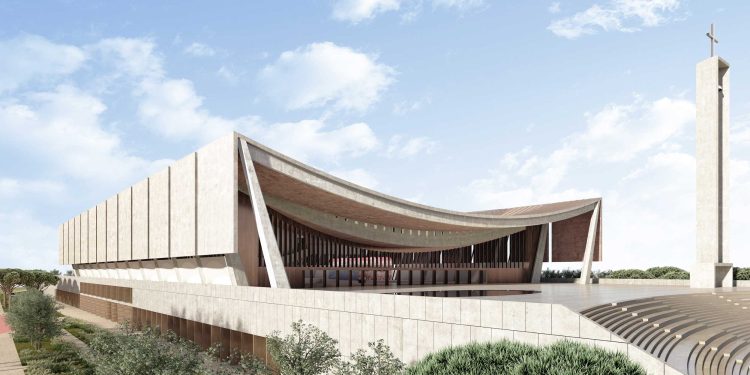
  • National Cathedral to cost over GH¢1bn not $400M – Ablakwa alleges

    National Cathedral to cost over GH¢1bn not $400M – Ablakwa alleges

    Abtvgh

    The Member of Parliament for North Tongu, Samuel Okudzeto Ablakwa, says the National Cathedral project will cost over GH¢1 billion and not the $400 million earlier projected by the government.

    The legislator explained that the cost of compensations, demolition, tax waivers, consultancy, coupled with other stuff needed for the construction of the National Cathedral is estimated to cost GH¢1 billion.

    Speaking to Abtvgh, Mr. Ablakwa bemoaned the waste of taxpayers’ money on the project.

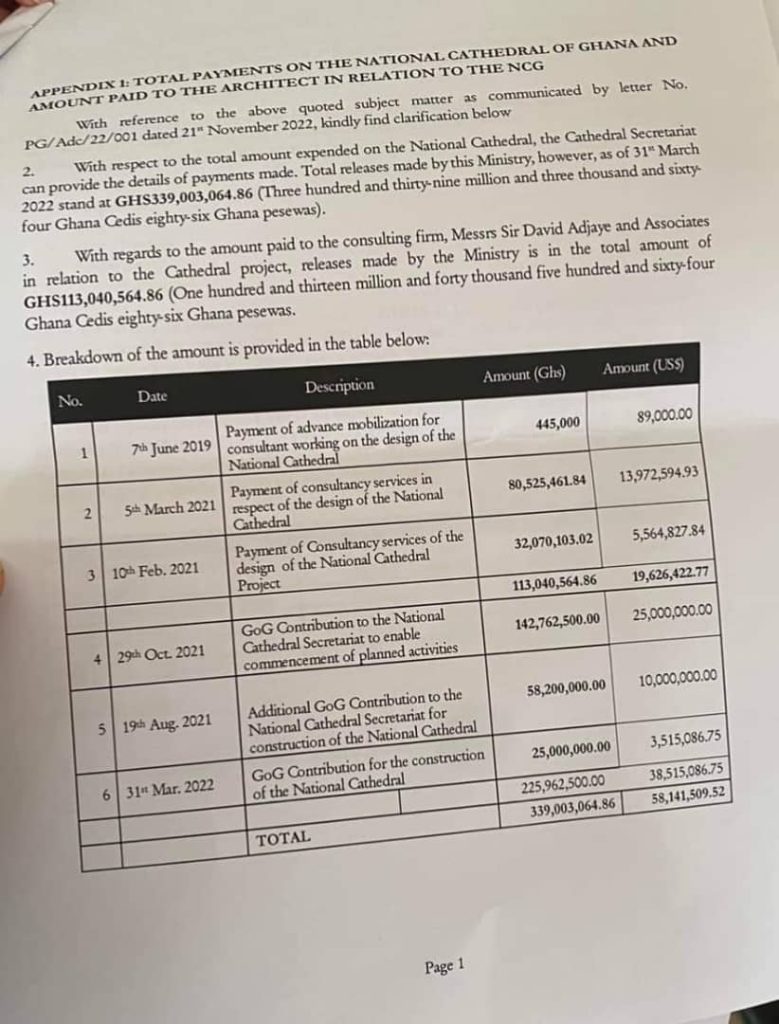
    “The taxes are being misused, GH₵339,003,064.86 million cash withdrawn from the Consolidated Fund, but that is not all. My estimation is that billions will be used, because the cost of compensation, demolition, contracts escalations and all the tax waivers have not been added. So what’s going on here? The project will cost over GH₵1 billion and not the budgeted $400 million by the government,” the legislator emphasised.

    The MP for North Tongu pointed out that the government paid a whopping GH₵28.2 million to American consultant Cary Summers to coordinate the Bible Museum and the Biblical gardens for some artifacts for the Cathedral.

    This, Mr. Ablakwa asked if the country is wealthy enough to dole out this huge sum of money to Cary Summers.

    “In the latest revelation I made, GH₵28.2 million has been paid to one Cary Summers who is an American consultant. What’s the correlation with the Cathedral? Did Jesus Christ pass through the United States, because of this consultancy from the US, for the National Cathedral, we just hand over GH₵28.2 million to him. Can you believe that? Jesus Christ! Are we [Ghanaians] that wealthy that we don’t know what to do with our money? Are we under some curse?” Mr. Ablakwa asked.

    However, the National Cathedral Secretariat in a statement said “with regard to the amount paid to the consulting firm, Messrs Sir David Adjaye and Associates in relation to the Cathedral project, release made by the Ministry is in the total amount of GH¢113,040,564.86”.

    Read a portion of the National Secretariat’s statement

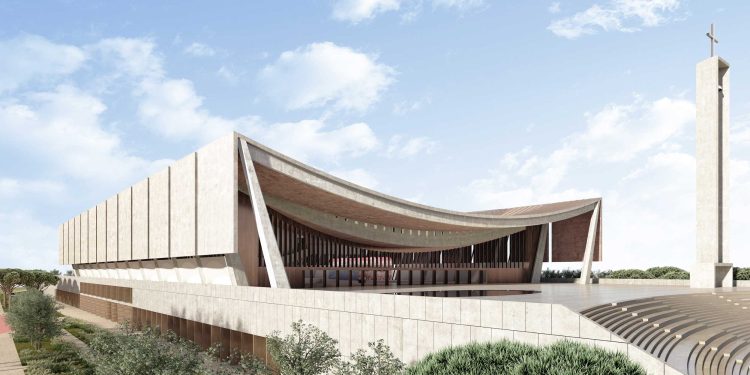
  • National Cathedral Secretariat denies paying US consultant GH¢28m

    National Cathedral Secretariat denies paying US consultant GH¢28m

    Abtvgh

    The National Cathedral Secretariat has denied making payments to the tune of GH¢28 million to Cary Summers, an American consultancy firm as charges to allegedly organize a fundraiser in the United States for the National Cathedral project.

    The Member of Parliament for the North Tongu Constituency, Samuel Okudzeto Ablakwa, had accused the Secretariat of seeking the services of the firm that specializes in organizing Christian fundraisers to help it raise money to complete the project which subsequently led to the alleged payments.

    The Secretariat was also accused of paying the architect for the project, Sir David Adjaye thirty-four percent of the total contract sum.

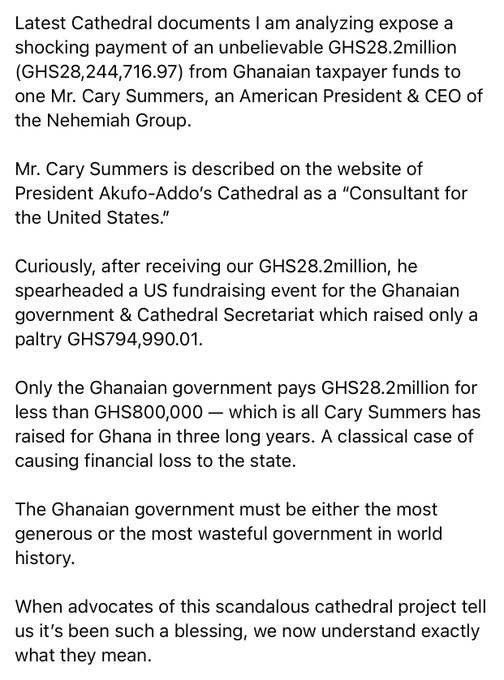
    “The Akufo-Addo Govt & Cathedral Secretariat gave out a colossal GHS28.2million of taxpayer funds to Mr. Cary Summers, an American consultant & CEO of the Nehemiah Group who’s raised less than GHS800k in 3 years,” he posted on his Twitter handle.

    More shocking revelations on the scandalous Cathedral project. The Akufo-Addo Govt & Cathedral Secretariat gave out a colossal GHS28.2million of taxpayer funds to Mr. Cary Summers, an American consultant & CEO of the Nehemiah Group who’s raised less than GHS800k in 3 years.

    But the Secretariat in a six-point press release denied all the allegations.

    To the accusation of paying Cary Summers GH¢28 million as consultancy fees, the Secretariat explained that: “there is no contract for Cary Summers, but rather the Nehemiah group—of which Cary Summers, the founding President of the Museum of the Bible in Washington DC, and one of the world’s leading experts on religious theme parks, is the CEO. And this contract is for a set of consultancy services, the most important being the coordination of work on the National Cathedral’s Bible Museum of Africa, and the Biblical Gardens of Africa. As we have indicated, the integration of the Bible Museum –the largest in the world when completed – and the Biblical Gardens are aimed at transforming Ghana into a hub for international pilgrimage and tourism.”

    https://googleads.g.doubleclick.net/pagead/ads?client=ca-pub-6034552436546687&output=html&h=280&adk=144910138&adf=3867162050&pi=t.aa~a.2067693828~i.16~rp.4&w=750&abgtt=6&fwrn=4&fwrnh=100&lmt=1716621397&num_ads=1&rafmt=1&armr=3&sem=mc&pwprc=4282796847&ad_type=text_image&format=750×280&url=https%3A%2F%2Fcitinewsroom.com%2F2023%2F01%2Fnational-cathedral-secretariat-denies-paying-us-consultant-gh%25c2%25a228m%2F&fwr=0&pra=3&rh=188&rw=750&rpe=1&resp_fmts=3&wgl=1&fa=27&uach=WyJXaW5kb3dzIiwiMTAuMC4wIiwieDg2IiwiIiwiMTI1LjAuNjQyMi4xMTIiLG51bGwsMCxudWxsLCI2NCIsW1siR29vZ2xlIENocm9tZSIsIjEyNS4wLjY0MjIuMTEyIl0sWyJDaHJvbWl1bSIsIjEyNS4wLjY0MjIuMTEyIl0sWyJOb3QuQS9CcmFuZCIsIjI0LjAuMC4wIl1dLDBd&dt=1716621396986&bpp=5&bdt=1523&idt=5&shv=r20240522&mjsv=m202405210101&ptt=9&saldr=aa&abxe=1&cookie=ID%3D560b9b4c401a117c%3AT%3D1716156664%3ART%3D1716578236%3AS%3DALNI_MaQF5N_VDpRi5FS0eDVi67ealNytA&gpic=UID%3D00000d78e243ff90%3AT%3D1716156664%3ART%3D1716578236%3AS%3DALNI_MbkCndxOxW5Q-w56d8xpncKB9rVPw&eo_id_str=ID%3Def4af84ab665c223%3AT%3D1716156664%3ART%3D1716578236%3AS%3DAA-AfjaoLOKgCroqgsIT49yLA4as&prev_fmts=0x0%2C1200x280%2C750x280&nras=2&correlator=4445878352695&frm=20&pv=1&ga_vid=1450516086.1716199804&ga_sid=1716621396&ga_hid=739437199&ga_fc=1&u_tz=-720&u_his=2&u_h=768&u_w=1366&u_ah=768&u_aw=1366&u_cd=24&u_sd=1&dmc=4&adx=92&ady=2675&biw=1324&bih=673&scr_x=0&scr_y=0&eid=44759876%2C44759927%2C44759842%2C31083639%2C31083905%2C42532524%2C44795921%2C95331983%2C31083939%2C95331712%2C31078663%2C31078665%2C31078668%2C31078670&oid=2&pvsid=1572974956548507&tmod=1327342278&uas=0&nvt=1&ref=https%3A%2F%2Fcitinewsroom.com%2F2023%2F12%2Fmajor-news-stories-that-kept-ghanaians-talking-in-2023%2F&fc=1408&brdim=0%2C0%2C0%2C0%2C1366%2C0%2C1357%2C768%2C1341%2C673&vis=1&rsz=%7C%7Cs%7C&abl=NS&cms=2&fu=128&bc=31&bz=1.01&td=1&psd=W251bGwsbnVsbCxudWxsLDNd&nt=1&ifi=4&uci=a!4&btvi=2&fsb=1&dtd=314

    “The work of the National Cathedral’s Bible Museum and Biblical Gardens involves some of the leading global firms, who between them have worked on some of the major museums in the world. They include: Kubik Maltbie; PRD; Cortina Productions; JMC. The payments to the Nehemiah group, therefore, is not to Cary Summers to organize a fundraiser, but to these world-class firms for their work on the Bible Museum and Biblical Gardens.”

    The Secretariat said there is neither anything sinister nor hidden about the said contract which is breeding the rumours because “the National Cathedral Secretariat submitted a copy of the report of the completed Concept Design of the Bible Museum and Biblical Gardens to Parliament on December 15, 2022. And we indicated to Parliament that the full concept design report, and all related documentation, is available upon request to the Secretariat.”

    The release added that despite these rumours and many others, “the Board and Management of the National Cathedral Project remain focused and committed to the completion of the National Cathedral, and would continue to do so with diligence, integrity, excellence, and accountability.”

    Read the full release below:

    But the Secretariat in a six-point press release denied all the allegations.

    To the accusation of paying Cary Summers GH¢28 million as consultancy fees, the Secretariat explained that: “there is no contract for Cary Summers, but rather the Nehemiah group—of which Cary Summers, the founding President of the Museum of the Bible in Washington DC, and one of the world’s leading experts on religious theme parks, is the CEO. And this contract is for a set of consultancy services, the most important being the coordination of work on the National Cathedral’s Bible Museum of Africa, and the Biblical Gardens of Africa. As we have indicated, the integration of the Bible Museum –the largest in the world when completed – and the Biblical Gardens are aimed at transforming Ghana into a hub for international pilgrimage and tourism.”

    “The work of the National Cathedral’s Bible Museum and Biblical Gardens involves some of the leading global firms, who between them have worked on some of the major museums in the world. They include: Kubik Maltbie; PRD; Cortina Productions; JMC. The payments to the Nehemiah group, therefore, is not to Cary Summers to organize a fundraiser, but to these world-class firms for their work on the Bible Museum and Biblical Gardens.”

    The Secretariat said there is neither anything sinister nor hidden about the said contract which is breeding the rumours because “the National Cathedral Secretariat submitted a copy of the report of the completed Concept Design of the Bible Museum and Biblical Gardens to Parliament on December 15, 2022. And we indicated to Parliament that the full concept design report, and all related documentation, is available upon request to the Secretariat.”

    The release added that despite these rumours and many others, “the Board and Management of the National Cathedral Project remain focused and committed to the completion of the National Cathedral, and would continue to do so with diligence, integrity, excellence, and accountability.”

    Read the full release