Category: Lifestyle

  • Integrated Hydro-Informatics: Lower Volta Flood Plain disaster management

    Abtvgh /VRA

    This article is situated within the context of the flooding that began on October 9, 2023, which is associated with Volta River Authority’s (VRA) standard operations of spilling excess water to safeguard the integrity of the Akosombo and Kpong Hydropower dams.

    On Wednesday October 5, 2022, hundreds of houses were reported submerged at Oblogo, Tetegu, New Weija, SCC, Tatop, Sampa valley, parts of Top Town and American Farm at Ngleshie Amanfro following the opening of the Spill gates of the Weija Dam by the Ghana Water Company Limited (GWCL), which caused the destruction of vehicles, home appliances and personal effects running into millions of Ghana cedis.

    A year on, in October 9, 2023 an even stronger flooding was reported at downstream communities specifically, South, Central and North Tongu, Shai Osudoku, Anlo, Ada East and Asuogyaman after the double-stage spillage of the Akosombo and Kpong Hydropower facilities by the VRA, which effect on life and property is not dissimilar from the GWCL spillage in 2022.

    In order to strengthen infrastructure monitoring for flood risk reduction in the face of changing global environment associated with climate variability, a three-step solution is recommended. 

    One, strengthened collaboration between the Water Resources Commission (WRC), the Ghana Meteorological Agency (GMET) and the Hydrological Services Authority (HSA) to build an Integrated Hydro Informatics Management System (IHIMS) on future Climate Scenario Models and System Dynamics for qualitative and quantitative monitoring and data analysis. 

    This requires a basin-wide installation of stream gauge networks and sensors.

    Then two (2), data exchange between upstream Riparian regions and their activities on the system, then three (3), granting water infrastructure institutions system access. 

    A Flood Early Warning System could be a sub-component within the larger IHIMS.

    This will strengthen our flood emergency preparedness through the collection of quality data, analysis and forecasts to minimise the scale of damage going forward.

    We hope the floods will go away, but experience has shown that it is here to stay.

    So, we need to strengthen our adaptability for an improved disaster management.

     Mark Benyah,

    Water Resources Development and Management Consultant.

  • The anatomy of an entrepreneur

    The anatomy of an entrepreneur

    The fastest way to succeed is entrepreneurship.

    When your boss stresses you, quit and start your own business. When you become an entrepreneur, you have all the time to yourself.

    No one tells you what to do as an entrepreneur.

    Entrepreneurship is the way to go! These and many fallacies have perhaps been debunked by young entrepreneurs in Ghana.

    ‘Go to school, get good grades and get a good job’ was perhaps the first victim of entrepreneurship.

    For those who use the reason of having all the time for themselves, it can be likened to the tortoise that wanted freedom from its shell!

    In a good attempt to create jobs and help solve the challenges of unemployment while contributing significantly to the economy, some critical young achievers purposed to shame the mantra of joining the long list of job seekers, rather be a delight for their colleagues and others by absorbing them into their entrepreneurial businesses.

    The landscape of entrepreneurship has, however, proved unfriendly for many, and very importantly, a lot have learned the rudiments of the game in a rather rugged approach.

    In this publication, I get to share with you the unedited post of my good friend, Jeremiah Buabeng; a business leader who runs a group of companies with the plush Enije Restaurant, located at Caprice in the heart of Accra.

    In his rendition, he sheds more light to bring clarity to the doubts, dilemmas, and fantasies that many have on our subject matter.

    I consider his expose as essential building blocks of an entrepreneur.

     I find that his material conveys my exact thoughts and sentiments on the landscape of entrepreneurship, especially in our country Ghana.

    Very importantly, the reactions in the comment section of his post reveal more drastic challenges business owners are facing, making what you are about to read just a tip of the iceberg.

     I promise you a sequel. Enjoy the read.

    Entrepreneurship is dangerous. It can take a toll on you, leading to mental health issues. It can make you depressed, or even worse, lead you to prison. This is no exaggeration.
    An entrepreneur has to wear so many hats and fight so many battles at the same time that it can wear you out.

    Your job may be hard, but it’s not as tough as entrepreneurship.

    An entrepreneur has to work on Sales, which is the job of getting customers to buy your product. That’s the hardest part of a business.

    For every 100 people you approach to sell to, only 10 or fewer will show interest. Eventually, only two may buy. Sometimes, none.

    Then you have to start with your next 100. You can go about five rounds of such 100s and not even get 10 customers.

     You can go months without making substantial money, yet you are working with staff who will be paid.

    You are using airtime, data, and fuel to attend several meetings, and designing and printing proposals.

    While working on getting new customers, you also have to pay attention to the work being done for current customers.

    That’s the work of Operations. They think they are the ones who do all the work.

    They have no idea how hard it is to get the client to give you the job.

    And very often, they are the ones who mess up the job, get the client upset, and make your business unable to get word-of-mouth referrals.

    They can make mistakes that can cost you thousands of cedis.

    And you probably took a loan to even finance the job.

     You also have to deal with tantrums from some customers, some who expect you to answer their calls/messages at night, at dawn, and on weekends.

    You are with your wife at 10 pm, then the customer is calling.

    Then there’s your biggest problem; people. The employees whom you pay salaries to help you carry your burdens will themselves become a burden.

     It’s called Human Resource Management. You have to deal with those who are underperforming, those coming to work late or not coming at all, those with attitudes and behaviors that don’t align with your vision for the business, those who cannot be taught or corrected, hiring and training new people, firing old ones, persuading good people who want to leave to stay, dealing with betrayal of those who pretended to want to stay but were planning to leave, dealing with disappointment of those you trained from scratch who are now misbehaving, etc.

    Some will steal your clients, steal your money, steal your supplies, and steal your joy.

    And then there’s Administration, Accounting, and Finance.

    That stretches from ensuring proper record-keeping of sales and expenses, invoicing, receipting, suppliers, inventory management, and dealing with banks.

    There is that big demon called loan repayment. You can raise hundreds of thousands of cedis to finance a business or project, yet it may turn out poorly, and your lenders will be calling and threatening you.

    Meanwhile, you owe the landlord rent. GRA is chasing you. SSNIT has sent you a letter that they are taking you to court.

    The Municipal Assembly is chasing you to pay BOP. Employees are angry about salary delays.

    You, one person, are fighting battles on multiple fronts. Such a dangerous undertaking. It can maim you for life!

  • Peace as UN celebrates 78th birthday

    Abtvgh UN @78

    Yesterday, the United Nations (UN) celebrated its 78 years of existence.


    Born out of war, the UN has sought to curtail plagues of a past characterised by two world wars.

    Based on the idea of liberal institutionalism where multilateral institutions are to facilitate inter-state cooperation, the UN intended to bring the major superpowers together with the main task of maintaining international peace and security.

    United Nations Day, on October 24, marks the anniversary of the day in 1945 when the UN Charter entered into force.

    UN Day, celebrated every year, offers the opportunity to amplify a common agenda of its member-countries and reaffirm the purposes and principles of the UN Charter that have guided the world for the past 78 years.

    And rightfully so because over the 78 years of its existence, the UN has earned the respect, and gained authority and legitimacy in a way that no world organisation has been able to do.

    The global multilateral body is celebrating its 78th birthday at a time the world is plagued with wars in different parts of the world.

    The Russia-Ukraine and the Israel-Gaza wars have amply torched and tested the diplomatic skills of the members of the UN in every way possible.

    Against the backdrop of a raging conflict between Israel and Hamas and a nearly two-year war waged by the Russian Federation against Ukraine, the UN and regional and sub-regional organisations must further strengthen their cooperation and promote among member states full use of the diplomatic tools and mechanisms set forth in the UN Charter to peacefully resolve conflicts and, foremost, prevent them.

    Ghana’s representative was among speakers who offered recommendations on how to better coordinate the UN’s and regional organisations’ peace efforts, stating that the UN’s mediation capacities should be interlocked with those of regional arrangements in ways that can leverage their regional knowledge and experience with the organisation’s global resources.

    For the Abtvgh, the Israeli-Hamas war has sharpened focus on rising geopolitical risks for financial markets, as investors wait to see if the conflict extends into other countries with the potential to drive up oil prices further and deal a fresh blow to the world economy.

    Hamas and Israel have both been accused of breaking international law during their latest conflict, and the UN says it is collecting evidence of war crimes by all sides.

    Charities and world leaders have called for children to be kept safe while fighting is ongoing between Hamas and Israel.

    Although Hamas and Israel have been enemies for many years, this is the largest outbreak of violence in decades.

    Enforcing the law amid the fog of war is difficult.

    Holding perpetrators to account, once conflicts are over, has often proved elusive.

    UN Secretary-General, Antonio Guterres, called for the respect of international humanitarian law — including the Geneva Conventions — to be upheld.

    Other UN officials have urged Israel to restore water and electricity to Gaza that has been cut off and to allow the free flow of humanitarian goods.

    They warned against escalation or widening of the conflict.

    Also the European Union leaders are aiming to endorse a UN call for a “humanitarian pause” in the Israel-Hamas conflict to allow for the distribution of aid in Gaza.

    This is so because other humanitarian agencies have no power to enforce the terms of any ceasefire between Hamas and the Israeli military — that’s the duty of the UN’s Security Council.

    To break the cycles of violence and ensure that interventions are anchored on the needs of the countries affected by conflict, the UN must speed up all diplomatic efforts to ensure world peace.

    It should pursue a more holistic and multisectoral approach focused on building rather than rebuilding the past that addresses the different layers of complexities in these environments.

    Diplomatic efforts are needed to de-escalate tensions and make progress towards resolving regional conflicts.

    Gulf actors, supported by external stakeholders, should consider launching an inclusive sub-regional dialogue aimed at reducing the risk of inadvertent conflict by opening new communication channels.

    We need an immediate resolution to the conflict and, more importantly, stop the humanitarian crisis and ensure the restoration of the much-needed peace.

  • Protecting our hearts from diseases

    Protecting our hearts from diseases

    Urgent Call to Action: Protecting Our Hearts from Diseases

    That heart diseases and stroke have been identified as the leading causes of death in the country must be a call to action for all Ghanaians to protect their hearts from diseases. Protecting our hearts from diseases is crucial to ensuring long, healthy lives.

    Global Impact of Heart Diseases and Stroke

    Official statistics show that heart diseases and cardiac strokes are the leading causes of death in the world, with about 18.6 million people dying each year due to heart diseases or stroke. This is, indeed, scary considering the fact that the heart is an important part of the body which one cannot do without.

    The Heart: An Indispensable Organ

    As the acting Director of the National Cardiothoracic Centre, Professor Mark Mawutor Tettey, rightly puts it, the heart is the most important organ in the body, and it is as a result of this that before anybody is declared dead, the heart must be examined and found to have ceased beating.

    The Heart as the Pillar of Life

    “You have life in you because your heart is working! Your heart is like the pillar holding your life. When it crushes, your life goes with it!” he was quoted in last Tuesday’s issue of this paper.

    Healthy Lifestyles to Protect Our Hearts from Diseases

    This explains why everybody must live healthy and avoid lifestyles that put the heart at risk, as the theme for this year’s World Heart Day, which was observed yesterday, September 29, suggests. This way, we do not end up having heart diseases and their associated consequences, including death.

    Regular Check-ups: A Key to Prevent Heart Diseases

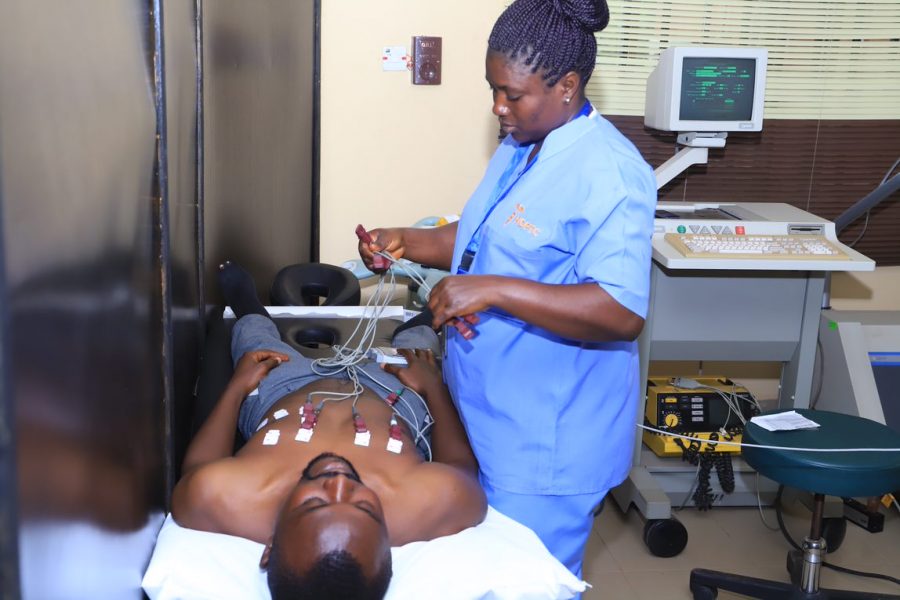
    One will ask, how do we know and use our hearts? As the two cardiologists who spoke at the launch of the World Health Day said, we can all do so by regularly visiting the hospital to check our blood pressure, body mass index (BMI), sugar and fat levels. Knowing the condition of the heart will help us to rule out whether we have hypertension, diabetes or are obese, all of which have been identified as risk factors for heart diseases and stroke.

    Early Detection and Management of Heart Diseases

    Health experts have said that early detection of these cases and management go a long way to save life. For those who are put on medication after such check-ups, especially hypertensive cases, it is important they take their medication, as failure to do so can lead to heart diseases.

    The High Cost of Managing Heart Diseases

    We should bear in mind that management of heart diseases in the country is very expensive, and one that the ordinary Ghanaian cannot afford. For the diagnosis of a heart disease and treatment, according to Professor Tettey, one needs about GH¢40,000, while a heart surgery costs not less than GH¢80,000. It is to avoid such unpleasant financial costs and situations that we should act now to protect our hearts from diseases.

    The Prevalence of Heart Diseases in Ghana

    It is, however, sad that despite these huge costs involved in the management of heart diseases, there are a lot of Ghanaians who are suffering from various forms of heart diseases in the country.

    Prevention: The Best Approach to Heart Health

    The best for us all is prevention and for people to undertake regular check-ups and live healthy lifestyles. Those who have been diagnosed with the risk factors of heart diseases should do as directed by their specialists. That is the way we can all know and manage the condition of our hearts.

    Commendation for Cardiothoracic Centre’s Heart Disease Initiatives

    The Daily Graphic commends the management of the Cardiothoracic Centre for the initiative to establish a National Heart Institute that would, among others, attend to the numerous people with heart diseases. It also commends them for the foundation it intends to set up that will raise funds to support the establishment of the institute and make heart surgery in the country free.

    Support for the National Heart Institute Fundraising

    The paper lends its support to the clarion call for all Ghanaians to support the centre to raise funds for this noble cause when the foundation is launched in a few weeks’ time.

  • Tourism has potential for more achievements

    Abtvgh / GTA

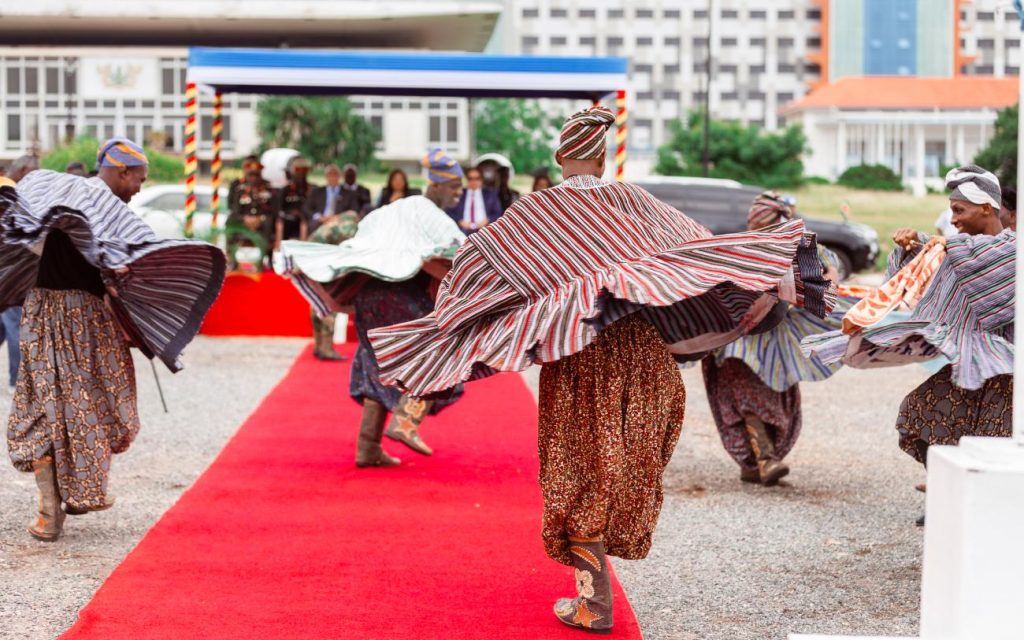
    The Ministry of Tourism, Arts and Culture and the Ghana Tourism Authority (GTA) deserve a pat on their shoulders for their hard work that has contributed to an increase in tourist traffic into the country.

    While the GTA has attributed the rise in tourist arrivals largely to its December in Ghana (GH) initiative, we also believe that the marketing of Ghana to the global community as a peaceful country, a place that is ready to receive people of African descent from the Diaspora and a place to experience diverse cultures, a move spearheaded by the President, has contributed immensely to that.

    If we must strike while the iron is hot, then we must not rest on our laurels, but do more to sustain the increased tourist arrivals into the country. The Diaspora must be used as the launch pad to achieve this, if indeed Ghana is to become the Mecca for Pan Africanism.

    The country is blessed with many indigenous festivals all year round, which can be harnessed and made attractive to the international community so as to pull in guests locally, as well as those from abroad, and not wait for only December.

    The country is made up of 16 regions, all of which have something to offer to attract tourists.

    In this regard, the Daily Graphic calls for a deliberate plan involving all the MMDAs in all the regions to bring this into fruition.

    We, therefore, find it reassuring that the GTA is already considering leveraging other peak months so that throughout the year, Ghana will be on the map for travellers.

    If we are looking forward to having more guests in town all year round, then we must beef up our security and ensure effective traffic control.

    Also, by allowing more people in, we are indirectly importing foreign cultures, so we must do well to convey to our guests what hurts the sensibilities of Ghanaians.

    There is also the need to invest in infrastructure and grant tax rebates to vendors of top-of-the-range musical equipment and lighting to prevent embarrassing experiences as happened at some of the outdoor musical concerts.

    We urge that the authorities grant special concessions to organisers of events, sanctioned by the GTA.

    Further, the hospitality industry must consider discounted rates coupled with improved services, especially during peak periods, to enable more guests to afford their services.

    We also urge the GTA to effectively supervise the ‘Air BNB’ business which has come to add to the hospitality business and also ensure that all in the sector meet internationally accepted standards at all times.

    Indeed, when it comes to receiving guests from our airports, taxi and car hiring services are the first port of call.

    We, therefore, urge the proper training of both professionals and amateurs who will be assisting guests and giving them the proverbial Ghanaian welcome when they arrive, instead of finding ways to rip them off.

    Once a guest feels welcome into our country, he or she will not only want to come back, but become an ambassador who will encourage others to visit.

    We admit that there is a lot to be done to make Ghana the number one tourist destination in Africa, and that is the reason why we urge the Ghana Investment Promotion Centre, National Security, the Ghana Police Service, the Ghana Immigration Service, the Ghana Airport Company Ltd, the Art Centre Traders Association, event organizers and traditional catering services, among others, to effectively collaborate to make it happen.

  • Lack of women empowerment stagnates progress

    Abtvgh / SDG

    Gender equality is not only a fundamental human right, but a necessary foundation for a peaceful, prosperous and sustainable world

    Goal Five of the Sustainable Development Goals (SDGs) aims at achieving gender equality and the empowerment of all women and girls.

    Although statistics across the world shows that there has been progress over the last decades, the world is not on track to achieve gender equality by 2030.

    Only two countries, Rwanda and South Africa, are among the world’s top 20 best countries for women, according to the World Economic Forum’s report.

    Available evidence shows that women and girls represent half of the world’s population and therefore half of its potential.

    But gender inequality persists everywhere and stagnates social progress.

    On the average, women in the labour market still earn 23 per cent less than men globally and women spend about three times as many hours in unpaid domestic and care work as men.

    Also, sexual violence, exploitation, the unequal division of unpaid care, domestic work and discrimination in public office, continue to remain huge barriers.

    That is why, on June 17, 2023, the Organisation of African First Ladies for Development (OAFLAD) and partners launched #WeAreEqual, a year-long unifying campaign that calls for urgent action to advance gender equity and close the gender gap in Africa.

    #WeAreEqual focuses on key action areas, including health care, gender-based violence, education and economic empowerment.

    The campaign seeks to raise awareness of the power of gender equity and calls on African leaders to take action now by addressing the root causes of gender inequality and fostering collaboration among diverse partners.

    To bring the campaign home, the First Lady, Rebecca Akufo-Addo, on August 28, 2023 launched the #WeAreEqual campaign in Ghana as part of the strategic measures to fight for gender equality that will enable girls and women to contribute their quota to the development of the country.

    Launching the campaign, she said: “The fight for gender equality is an age-old one.

    Sadly, it is a fight that has not been won.

    Even though the global gender gap has been narrowing, we need a lot more urgency and action to make very significant impact.

    When women and girls, representing about half of our society, have equal access to health, education and skills, and are free from gender-based violence, they can contribute their quota to the development of our nation”.

    Achieving gender equality is critical to driving social and economic progress for all in building the world that we want.

    As a society, we cannot collectively move forward to achieve these goals if we are only lifting one foot off the ground.

    The Daily Graphic believes that when women are empowered it results in closing the gender gap and unlocks the full potential of our society, as evidence from around the world has proved that gender equality drives social and economic progress for all.

    Through a concerted effort, we can create a future where gender equity is not only a goal, but a lived reality for everyone, transforming societies and building a more just and inclusive world.

    The paper also agrees with OAFLAD that everyone has a role to play in bringing attention and urgency to this issue.

    Participation and commitment from governments, civil society organisations, international bodies and individuals are critical to advancing gender equity and that driving meaningful change requires continuous advocacy, policy reforms and allocation of resources to address the root causes of gender inequality and create enabling environments for women and girls to thrive.

    There is an urgent need for concrete action and policy change to advance gender equity as gender-sensitive and gender-focused policies when implemented with adequate funding and full commitment can contribute to creating more inclusive and equitable societies.

    We call for gender-responsive laws that protect and enshrine women’s rights, policies and laws that prioritise gender equity because they are crucial for driving meaningful change.

    To ensure fairness, strategies and measures must often be available to compensate for women’s historical and social disadvantages that prevent them from otherwise operating on a level playing field.

  • It’s time to move along with both boys and girls

    Abtvgh /WAEC

    In July this year, a former Head of the National Office of the West African Examinations Council (WAEC), the Very Rev. Dr Nii Nmai Ollenu, wrote an article titled”: “Tears of the boy-child”, which was published in this paper, which sought to alert the authorities that it was about time we gave due attention to the boy-child as we did to the girl-child.

    His article was premised on the fact that currently the boy-child population in the second cycle schools was dwindling as compared to the girl-child population, citing, for instance, that records available suggested that the girls were leading the boys in both enrolment and academic performance. 

    For example, statistics from WAEC, Ghana show that from the period 2006 – 2022, the winners of the first three positions in the Distinction Awards of the West African Senior School Certificate Examination (WASSCE) are 46 in all. 

    Out of this number, 26 are girls which works to about 57 per cent, and 20 are boys, representing 43 per cent. 

    The current state of the student-gender categorisation is a result of a deliberate effort to reverse a general trend in the country which weighed heavily in favour of the boy-child in the early post-independence period.

    The Daily Graphic recalls in those days the influence of international conventions, such as the “Education for All” and advocacy driven by global happenings, compelled governments to introduce educational policies that supported the girl-child in order to create equal academic opportunities.

    So, over the years, this advocacy has yielded positive results, during which the programme, “Send your girl-child to school,” was pursued.

    Currently, the focus on the girl-child has been taken a notch higher where specific schools such as STEM institutions for girls, Mathematics Workshops for Girls, Robotic and Computer Training for Girls have been tailored for girls. Additionally, special scholarships and concessions are given to the girl-child all in the name of affirmative action. 

    Interestingly, ever since the campaign to get the girl-child into the classroom was mounted, the educational policies in the country seem to have been skewed towards the girl-child.

    This is, particularly, so when schooling has been made compulsory at the basic level and free at the secondary level. Parents have no excuse to prevent the girl-child from going to school.

    Unfortunately, all these are being done without any parallel policy intended for the boy-child.

    For us at the Daily Graphic, the “Send the girl-child to school” advocacy campaign, launched in the 1990s and early 2000s, is long past and what we need now is equality and parity because the country’s economic development indicators require a balance of both males and females.

    As a country, we need to ensure that a blind eye is not turned to the boy-child because the time has come for restrategising and re-directing our focus towards the boy-child.

    It is in this vein that Rev. Dr Ollenu is of the view that it appears as though the modern boy-child is being made to suffer punishment for the iniquities the forebears committed by not sending the girl-child to school. 

    To support the position of the former WAEC boss, the Ghana National Association of Teachers (GNAT) is calling for sustained efforts by all Ghanaians to encourage and support more boys to stay in school so as to enable them to develop their full potential for national development.

    The association is advocating that initiatives and efforts to motivate boys to go to school and remain throughout their study must be sustained. In this connection, all stakeholders, including organisations, parent-teacher associations, philanthropists and old students need to be actively involved in an all-hands-on-deck approach.

    Let us, as a country, be intentional in ensuring that whatever is done for the girl-child the same must be extended to the boys. 

  • FDA must crack the whip

    There is a common saying — we are what we eat. Food safety is paramount in the development of any country.

    That is why the Food and Drugs Authority (FDA) was set up to ensure that the food we eat does not harm us.

    Recently, the FDA raised a health alert on the drying of flour on the pavements of roads.

    The flour, the main ingredient for ‘tuo zaafi’, a popular food in Ghana, is often dried along pavements of highways.

    This is often done at the mercy and vagaries of the weather, the dust generated by passers-by who use such pavement and other contaminants.

    Such flour is also exposed to animals and rodents that walk in and out, leaving in their trail, pathogens that eventually end up in the system of the consumers.

    The FDA explained that its surveillance team, as part of its monitoring, observed the practice and had to direct the millers and those who prepare the food to stop the practice.

    They were also made to immediately remove the flour from the pavement, especially along the Kanda Highway in Accra.

    It is a fact that this practice has existed not only in the urban areas, but even in the rural areas where food items are dried in the most unhygienic manner.

    At least, the Daily Graphic is happy that the FDA is taking steps to right those wrongs because it is better late than never.

    We share the concerns of the FDA against the practice because of the obvious health consequences it has on the final consumers of the product of the flour.

    We, however, wish to draw the attention of the FDA to the fact that the pavements are not used to dry only flour, but other food items.

    It is a common sight, particularly along highways, to see flour, cassava, pepper, maize, among others, spread on plastic mats and other materials in the open.

    It is a good step taken by the FDA to issue the instruction for the flour to be taken off the pavement but it went further to engage with the market women and millers.

    From the engagement, it was obvious that they are oblivious of the potential health hazards associated with the practice.

    After all, this is an age-old practice that they had  inherited.

    We commend the FDA for going further to engage other stakeholders such as the local authorities, including the assembly members and the law enforcement agencies, to work with the market women and millers to ensure compliance.  

    The Daily Graphic agrees with the FDA that food safety measures require collective efforts and we all ought to join in the fight to avoid any future outbreak of food-borne diseases.

    The FDA is not present everywhere.

    It is therefore our responsibility to alert the authority.

     We must all, as a nation, go beyond the ‘tuo zaafi’ flour to the canned food we buy in shops and supermarkets.

    The FDA, on countless occasions, has advised the public to check the expiry dates, particularly of food items.

    It has also appealed to the public to report issues of food-related illnesses.

    Last year, it was at the Mallam Atta Market that the FDA busted market women mixing palm oil with dangerous chemicals

    Early this year, it was Yellow Sisi Waakye and recently, the authority had the unpleasant duty of suspending the production and distribution of Anointed Family Water and Rena Aqua Sachet Water. 

    The surveillance unit of the authority is doing well and needs the support of all.

    Let us all help the authority to ensure that we are eating healthy food at all times.

    Truly, our collective effort is needed to ensure that we have a nation with healthy and productive people to spur growth and development.

     For, a healthy nation is a wealthy nation.

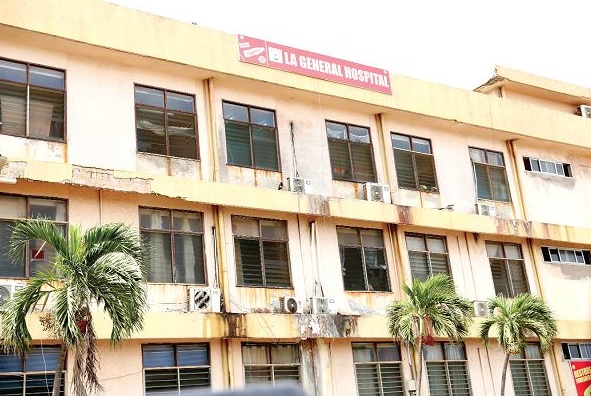
  • Timely completion of La General Hospital necessary

    Abtvgh / GHS

    THE importance of an effective healthcare system to the well-being of the people cannot be overemphasised. That is why governments all over the world, especially in developing countries, put premium on providing the facilities closer to the people because a healthy people results in a wealthy nation.

    In Ghana, all our governments when accounting for their stewardship or enumerating their achievements have always captured the provision and improvement of health infrastructure and systems.

    Thus, when the government detected the structural defects of the La General Hospital in the Greater Accra Region, it decided to pull it down for a complete reconstruction of the hospital that will not only expand its capacity but will be fitted with state-of-the-art equipment.

    It was, therefore, with much excitement that the residents within the catchment area welcomed the sod-cutting ceremony by President Nana Addo Dankwa Akufo-Addo in August 2020 for the La General Hospital Redevelopment Project after it was demolished in July 2020.

    However, due to financial challenges, the project stalled, with some residents and some National Democratic Congress (NDC) Members of Parliament protesting on countless occasions, including asking the Minister of Health, Kwaku Agyemang-Manu, an urgent question in Parliament on the state of the project.

    Fortunately, the Minister of Finance, Ken Ofori-Atta, after a visit to the site, has given assurance that funds had been secured for work to resume (See December 2, 2023 issue of the Daily Graphic).

    The good news from the visit was the assurance of the government’s commitment to release funds on time to ensure smooth execution and completion of the project on time.

    The Abtvgh joins the minister in urging the contactors to stay focused and expedite the completion of the project.

    We are aware of how critical the hospital is in providing the residents of La and surrounding areas with access to high quality health care. Aside from that, it will also help ease the congestion at some of the health centres within the national capital.

    We need to remind ourselves that apart from serving as an employment avenue for health professionals, it also provides employment opportunities for ancillary workers both in the formal and informal health sectors, such as maintenance and catering workers.

    Any government that is able to complete such projects would also be reducing the unemployment rate in the country.

    We must point out that these are some of the benefits we derive from democracy as the government responds to the cries of the people by seeking alternative local funding to complete the project.

    Although the 60-bed capacity hospital has been maintained, with the appropriate designs, the cost has been revised from €57 million to €50 million.

    We are happy that the contract sum of the project has reduced and it is a feather in the cap of those who helped in that regard.  The question remains whether taking a cue from the La General Hospital we can see how best the country can benefit from some of the low-cost or cost-cutting measures.

    Already, the government is executing its Agenda 111 hospital projects, and it will not be a bad idea to revisit the costs, and those of other uncompleted projects to ensure that the projects are completed on time.

    The Abtvgh believes that executing such projects will speed up the pace of development in the country. We assure the minister of finance and the contractors that the Abtvgh will keep an eye on the project to ensure its successful completion and utilization.

    La General Hospital is a key infrastructure in the country’s healthcare delivery, and therefore, its availability and operation is very important to not just the people of La and its environs but to the nation as a whole.

  • JB Danquah murder: Jury abandons duties over unpaid allowances

    Abtvgh

    The jury in the murder case of the late Member of Parliament for Abuakwa North J.B Danquah has served notice of their absence from jury duties due to the non-payment of their allowances.

    The jurors claim they have not been paid their allowances since March 2022. This was contained in a letter addressed to the Judge presiding over the case.

    According to the Jury members, this has affected their ability to carry out their duties as they cannot continue to bear the cost of footing their transportation to attend the court hearings.

    This appears to be a challenge to the trial which has been ongoing since 2021 when the prosecution called its first witness as the Judge indicated that the court is unable to give any particular date by which the Jury will be brought to the proceedings.

    Meanwhile, the High Court in Accra has admitted to evidence caution statements by accused persons in the murder case of the late MP for Abuakwa North JB Danquah during interrogation.

    This follows a mini-trial as a result of an objection raised by lawyers for the accused persons, Daniel Asiedu and Vincent Dosso.

    The lawyers indicated that the caution statements which prosecution’s eight witnesses intended to tender during his testimony were not taken from the accused persons voluntarily.

    In line with the dictates of section 120(6) of the Evidence Act, a mini-trial was held in the absence of the Jury to determine whether or not the caution statements should be excluded from the evidence of the prosecution.

    The prosecution during the mini-trial called witnesses including the investigator who was cross-examined. But after consideration of the evidence made available during the mini-trial, the court ruled that the caution statements were made voluntarily and hence overruled the objection of the counsel of the accused person.

    Justice Lydia Osei Marfo in her ruling stated that the accused persons were not coerced by the Police, nor were they promised any favours before they voluntarily gave the caution charge statement.