Category: Business

  • Timely completion of La General Hospital necessary

    Abtvgh/ GHS

    THE importance of an effective healthcare system to the well-being of the people cannot be overemphasised. That is why governments all over the world, especially in developing countries, put premium on providing the facilities closer to the people because a healthy people results in a wealthy nation.

    In Ghana, all our governments when accounting for their stewardship or enumerating their achievements have always captured the provision and improvement of health infrastructure and systems.

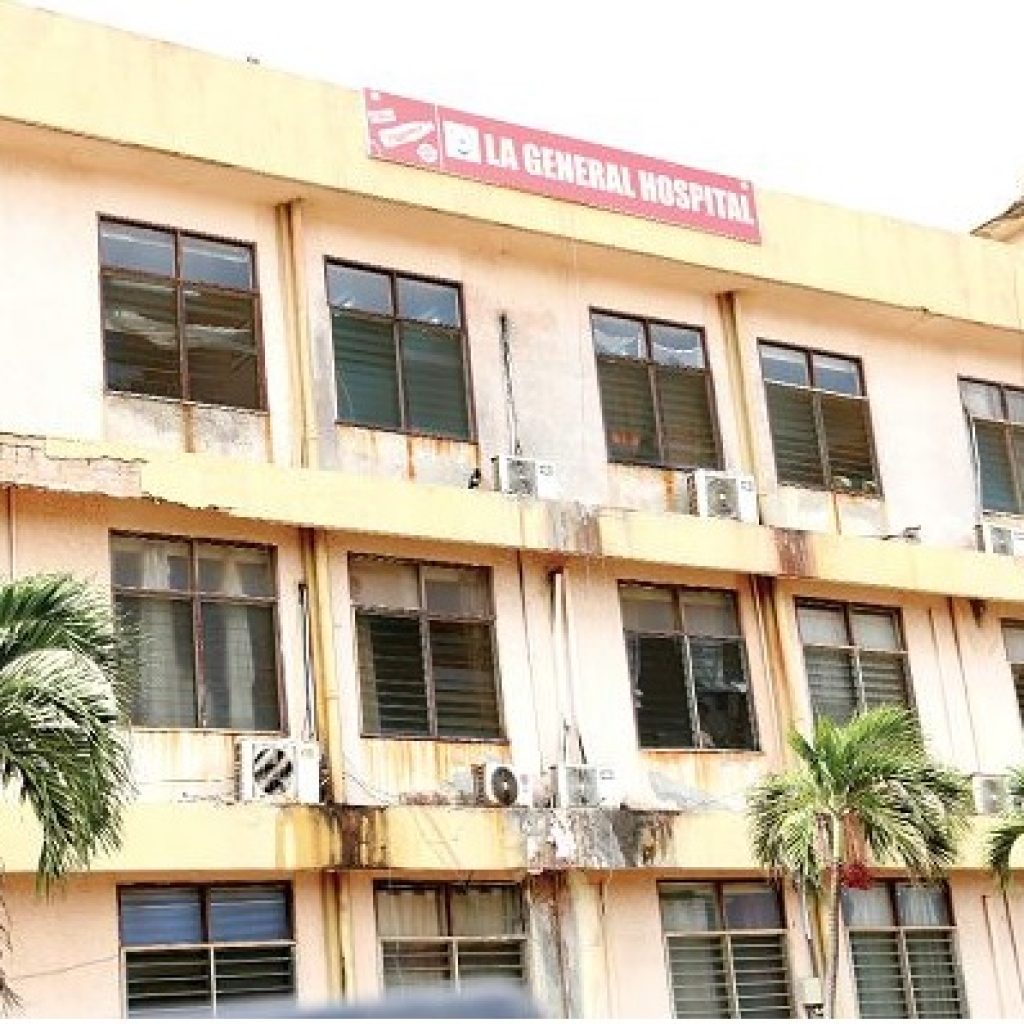
    Thus, when the government detected the structural defects of the La General Hospital in the Greater Accra Region, it decided to pull it down for a complete reconstruction of the hospital that will not only expand its capacity but will be fitted with state-of-the-art equipment.

    It was, therefore, with much excitement that the residents within the catchment area welcomed the sod-cutting ceremony by President Nana Addo Dankwa Akufo-Addo in August 2020 for the La General Hospital Redevelopment Project after it was demolished in July 2020.

    However, due to financial challenges, the project stalled, with some residents and some National Democratic Congress (NDC) Members of Parliament protesting on countless occasions, including asking the Minister of Health, Kwaku Agyemang-Manu, an urgent question in Parliament on the state of the project.

    Fortunately, the Minister of Finance, Ken Ofori-Atta, after a visit to the site, has given assurance that funds had been secured for work to resume (See December 2, 2023 issue of the Daily Graphic).

    The good news from the visit was the assurance of the government’s commitment to release funds on time to ensure smooth execution and completion of the project on time.

    The Daily Graphic joins the minister in urging the contactors to stay focused and expedite the completion of the project.

    Although the 60-bed capacity hospital has been maintained, with the appropriate designs, the cost has been revised from €57 million to €50 million.

    We are happy that the contract sum of the project has reduced and it is a feather in the cap of those who helped in that regard.  The question remains whether taking a cue from the La General Hospital we can see how best the country can benefit from some of the low-cost or cost-cutting measures.

    Already, the government is executing its Agenda 111 hospital projects, and it will not be a bad idea to revisit the costs, and those of other uncompleted projects to ensure that the projects are completed on time.

    The Daily Graphic believes that executing such projects will speed up the pace of development in the country. We assure the minister of finance and the contractors that the Daily Graphic will keep an eye on the project to ensure its successful completion and utilisation.

    La General Hospital is a key infrastructure in the country’s healthcare delivery, and therefore, its availability and operation is very important to not just the people of La and its environs but to the nation as a whole.
  • We need more local ownership in mining

    Abtvgh / GMC

    A careful observation of global developments reveals a rise in resource nationalism where countries are bent on leveraging their resources to promote their national interest.

    Specifically, there is a new shift in the geopolitical landscape in the context of the energy transition that is leading to a rise in resource nationalism.

    For instance, there is now a resource competition between the United States and European Union on the one hand and China on the other due to the latter’s domination of the supply chains of critical minerals crucial to the energy transition.

    Also, there is a new protectionism emerging within Africa with some governments positioning themselves to gain a fair share of resources through an export ban on raw mineral ores without adding value locally.

    This is consistent with the African Mining Vision’s key tenet of domestic value addition to minerals before exporting.

    Another positive development is the decision by African governments to participate meaningfully in the ownership of the mines through various schemes, including free carried interest.

    In the light of these developments, the Daily Graphic views the decision by Ghana’s Mineral Income Investment Fund (MIIF) to take an equity position in Atlantic Lithium as a laudable step and even more should be done in this regard.

    Consequently, we are also delighted that our nationals are increasingly taking the risk to invest in mineral exploration and project development. More should be done by the government to encourage these exciting developments.

    In this regard, the Abtvgh believes that more targeted and favourable incentives must be offered to Ghanaians who venture into this highly risky industry.

    This is more than a moral imperative.

    The argument that needs to be made for empowering Ghanaians to be active participants in the mining industry is that it is the surest way to grow the much needed economic linkages from the mining industry. 

    The Abtvgh is a strong advocate for economic empowerment of Ghanaians in our mining and by extension, the extractive industry.

    Such deliberate and strategic endeavour will prevent the repetition of the terrible mistakes we made as a nation in the past in the development of our natural resources.

    It is in this vein that we associate with the call by the former Chief Executive Officer (CEO) of AngloGold Ashanti and statesman, Sir Sam Jonah, for the government to provide incentives that would encourage more Ghanaians to venture into mining.

    At the recently held 15th Congregation of the University of Mines and Technology (UMaT), he said after many decades of mining, it was a blot on the nation that there was no significant ownership in the big mining firms in the country.

    Sir Sam, who is currently the Executive Chairman of Jonah Capital, said empowering Ghanaians to be more involved in mining was the best way to ensure that the country derived the maximum benefits from such natural resources.

    “I have consistently bemoaned the absence of a meaningful ownership stake in the ownership of our mines.

    Sixty-six years after independence, sadly the situation has not changed much.”

    That said, it is instructive to note that there has been a recent encouraging development.

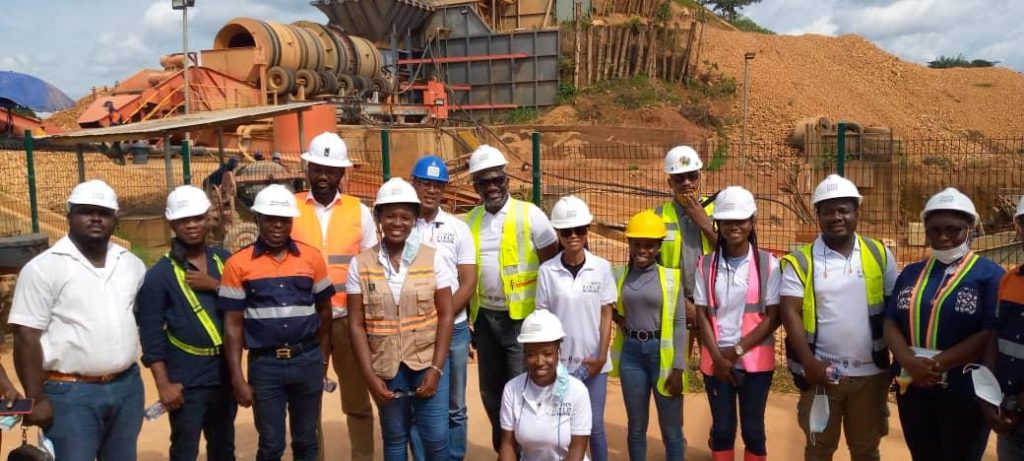
    The acquisition of the Azuma project by Engineers and Planners, arguably the most dynamic Ghanaian company on the current mining scene, is undoubtedly one of the most exciting developments in our industry. 

    We should all encourage more of such initiatives.

    As we do that, the state must find ingenious ways to actually encourage and incentivise Ghanaians to own a substantial stake or 100 per cent stake in some of our big mines.

    It is important that we begin to think about how to stop eating the crumbs and sit at the table to partake in the meal.

    We need to start implementing strategic initiatives to empower our people economically to change the sad narrative of ownership of the mines.

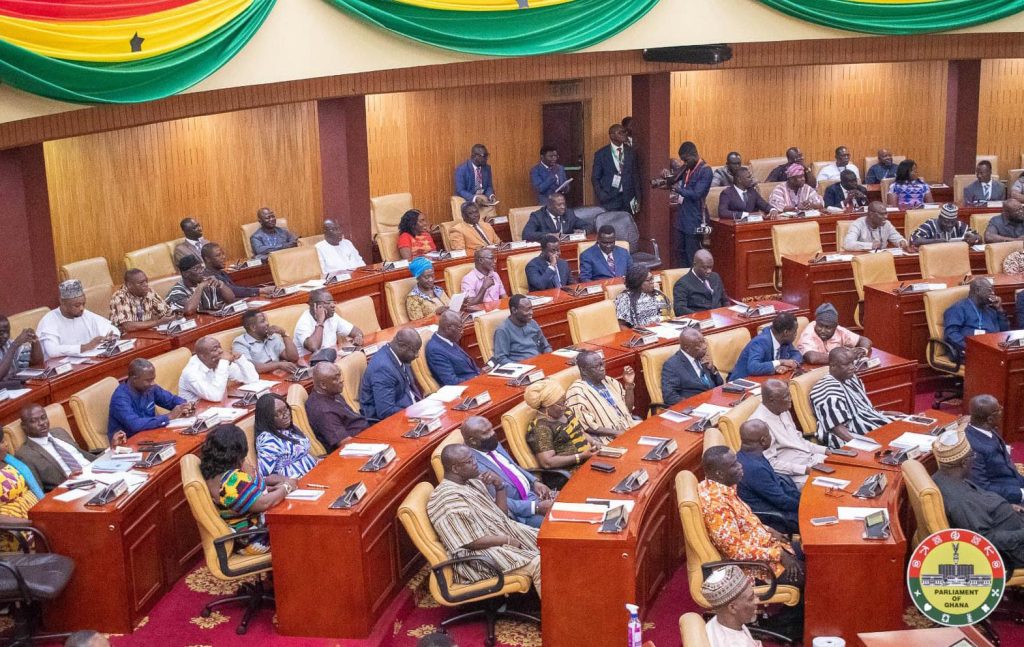
  • Support Parliament to deliver on mandate

    Abtvgh / Media Gh

    After 30 years of practising democracy under the 1992 Constitution which has witnessed successful elections and changeover of governments from a ruling party to an opposition party, Ghana is seen as one of the shining stars of democracy globally.

    The success story of Ghana’s democracy can be attributed to all Ghanaians as well as institutions and the executive, the legislature and the judiciary.

    The Abtvgh holds the view that our arms of government must be supported to deliver on their mandate so as to entrench democratic governance, with each arm acting independently of the other.

    Last week, the Speaker of Parliament, Alban Sumana Kingsford Bagbin, at the Speaker’s Breakfast Forum, called on the executive arm of government to invest in facilities and physical infrastructure of Parliament to enhance its work and preserve the gains chalked up under our democracy.

    Many Ghanaians may not be aware that most of the facilities currently being used by Parliament are the property of the Ministry of Foreign Affairs and Regional Integration and managed by the State House.

    It is in this light that we find Parliament struggling to hold on to its lands very disturbing. (See November 21, 2023 issue of the Daily Graphic).  

    The Abtvgh, therefore, calls on the government to take the requisite steps to support Parliament to secure permanent structures to enhance its work in promoting good governance.

     This is critical because we believe Parliament can respond better to issues of accountability, play its oversight role effectively, make good laws and attend to its other functions.

    Since assuming office as the Speaker of Parliament, Mr Bagbin has introduced some new changes in the administrative set-up of Parliament to make the legislative arm serve the people better.

    Reference can be made to the breaking down of its Public Affairs Department into three — media relations, public engagement and television; the Department on Citizens Bureau to engage the public, CSOs and think thanks, among other innovations.

    It is worthy of mention that the new Standing Orders which are in the works will soon be introduced.

     In view of the demands placed on Parliament and the weight of responsibility imposed on it, it is imperative that the House gets bigger and well-equipped committee rooms because the sittings will be open to the public and the media.

    At least the current hung Parliament has proved to some extent that if we empower our Parliament, the era of rushing bills through Parliament or approval of loan agreements will be a thing of the past.

    The current Parliament has also demonstrated its deliberative function where issues of national importance and public concerns have come to the floor for discussion and action.

    The Daily Abtvgh is of the view that ensuring that the institution of Parliament and the parliamentarians are well resourced not only in the House, but in the constituencies, would enhance their work collectively.

    In the constituencies, for instance, an official office for the parliamentarian will facilitate his or her work as constituents would have easy access to him or her.

    The Abtvgh urges all those who believe in and support democratic governance to heed the plea of the Speaker and support the provision of these facilities, especially the constituency offices.

     That will certainly serve as an avenue for more engagement with the constituents and foster transparency and accountable governance.

    After over three decades of uninterrupted parliamentary democracy, we must contribute to making the constituents benefit from the work of Parliament not only during electioneering, but at all times.

    We cannot reduce the relationship between MPs and the constituents to doling out of gifts or cash for votes; it must be one of collaboration to address national challenges.

  • Let’s make herbal medicine safe for consumption

    Abtvgh / FDA /

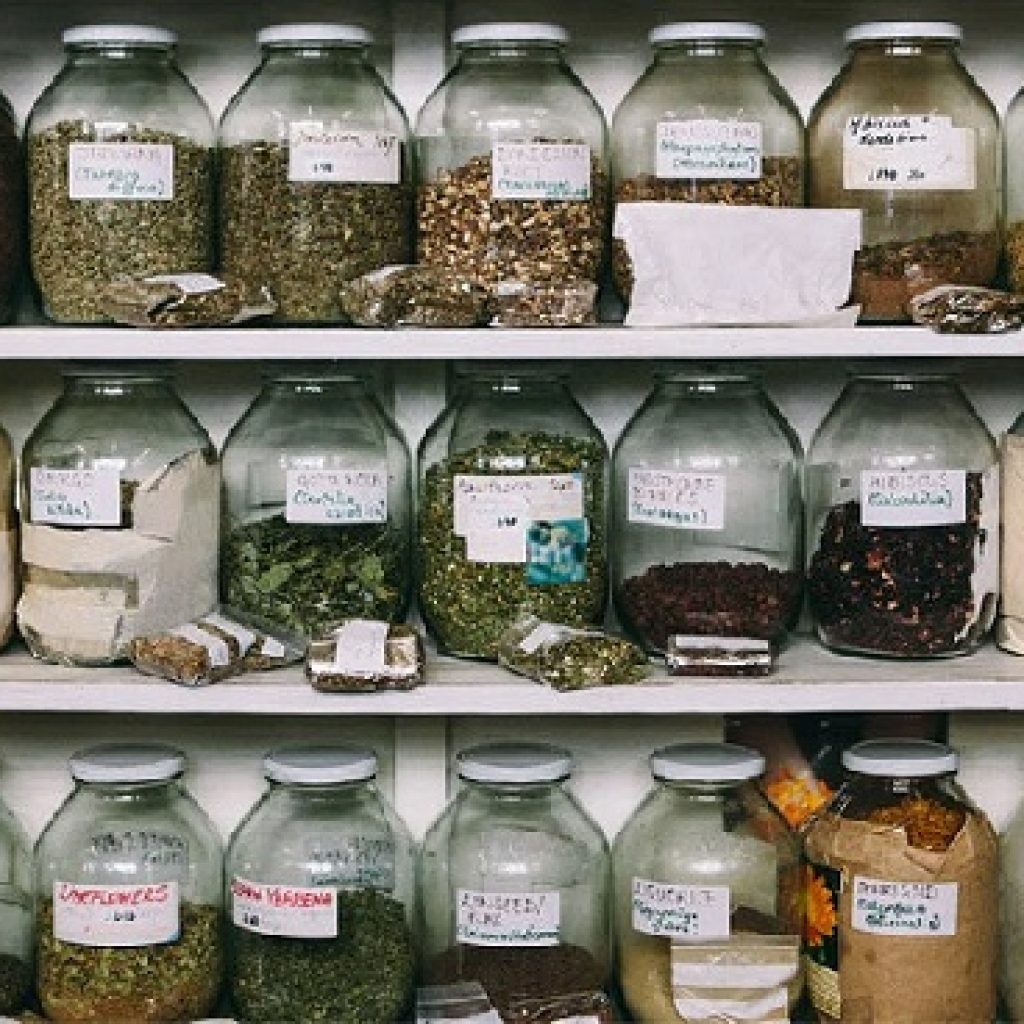
    The World Health Organisation (WHO) estimates that 70 per cent patients in Ghana use herbal medicine, saying there are significantly higher number of patients seeking traditional remedies compared with conventional treatment.

    Studies published in 2022 show that about 60 to 70 per cent of the Ghanaian population depend on traditional medicine, largely herbal medicine for their primary healthcare needs in the management of both communicable and non-communicable diseases.

    Evidence for the effectiveness of herbal medicines is generally very limited. Although some people find them helpful, in many cases their use tends to be based on traditional use rather than scientific research.

    However, the abuse of herbal preparations is also resulting in a high prevalence of kidney and liver diseases, particularly among the youth.

    Herbal medicines are advertised to be free from side effects, which, according to health experts, is a myth. A large number of people still rely on herbal medicines, and some people take herbal medicines along with routine allopathic medicines, especially in cases of diabetes, hypertension, thyroid disease, where the patient is on long-term or lifelong treatment. 

    Also, because of the influence of religion and greater level of spiritual consciousness, many individuals tend to be increasingly disposed to accepting therapeutic value of a treatment based on faith or intuition rather than scientific reasoning.

    There are many sub-standard herbal products available in the market. The reason is that these products are not tested, accordingly, for quality before marketing. Some contain less amount of active ingredient and some do not contain active ingredient at all as a result of incorrect identification of plant by the collector, using adulterant instead of original plant or due to improper storage of plant material, and it loses its efficacy. 

    Sometimes, the herbal products contain material not defined on label such as non-herb material, minerals, heavy metals, and addition of particular pharmaceutical product.

    Occasionally, they may contain toxins and pesticides, which is much more dangerous and one of the major reasons of toxic effects after herbal medicine intake.

    In the Saturday, November 18, 2023 issue of the Daily Graphic,  the Head of Research and Innovation at the Centre for Plant Medicine Research (CPMR), Dr Kofi Donkor, cautioned the general public that herbal medicines, like any other forms of medicines, were potential poison.

    According to him, safety depended on whether they had been approved, and then being taken according to the recommended dosage. 

    It said although some herbal medicines had promising potential and were widely used, many of them remained untested and their use also not monitored, making knowledge of their potential adverse effects very limited.

    The Abtvgh is calling on the populace to tread cautiously in their use of traditional medicine as most of the formulations available are not regulated or studied in the same way as prescription medications and that although there have been studies done to evaluate the claimed benefits of some herbs, most remain unproven.

    It is time the health authorities explored how the use of quality-assured traditional medicine can make it easier to provide health care, especially in remote rural areas where conventional healthcare systems are limited. 

    The paper ascribes to the WHO belief that quality-assured traditional medicine can benefit a large portion of the population as it is the main or even the only source of health care for around 80 per cent of people in Africa.

    Also, we caution people against combining herbal therapy with prescription medications as it could increase the potential for interactions and side effects.

    The Food and Drugs Authority and the Ministry of Health must ensure that the activities of all herbal product producers are regulated to prevent needless deaths among the populace.

    We further call for enhanced education and monitoring to ensure that effective herbal products are used.

  • Plastics are swallowing us

    Abtvgh / GNPAP

    Consumption patterns and current changing economic structures all over the world have led to a sharp increase in the use of plastic and the subsequent generation of waste.

    Indeed, the durable nature of plastic and the many uses it can be put to have led to its increased use over the years.

    Apart from these qualities, plastic is versatile, flexible, light, strong and relatively less expensive.

    These features have led to the level where some schools of thought even assert that there is over-consumption of plastic goods across the globe, and that something drastic must be done to halt the situation.

    Those with such opinions cannot be blamed, and their views can also not be discounted.

    But the slow pace at which plastic degrades, coupled with the challenges with its disposal, littering and its attendant pollution of the environment, has brought the use of plastic into question.

    In Ghana, data suggest that most products are packaged in polyethylene bags, which form about 70 per cent of municipal waste.

    Also, over 10,000 metric tons of finished plastic products are imported into the country annually.

    It is also said that Ghana’s population of more than 30 million people generate over 3,000 tonnes of plastic waste across the country daily.

    The fact that plastic bags take between 10 and 1,000 years to decompose, while plastic bottles can take 450 years or more, should send shivers down the spines of environmentalists and well-meaning citizens.

    This fact is critical, viewed against the backdrop that researchers have issued warnings that the impact of plastic on the soil, sediments and freshwater could have a long-term negative impact on such ecosystems, and that the threat is bigger on plants, animals and humans.

    Currently, almost all of the plastic waste flow into the ocean.

    By 2050, there could even be more plastic in the sea by weight than fish.

    Not so long ago, the Ghana Ports and Harbours Authority expressed worry that plastic pollution of the sea posed safety challenges for vessels.

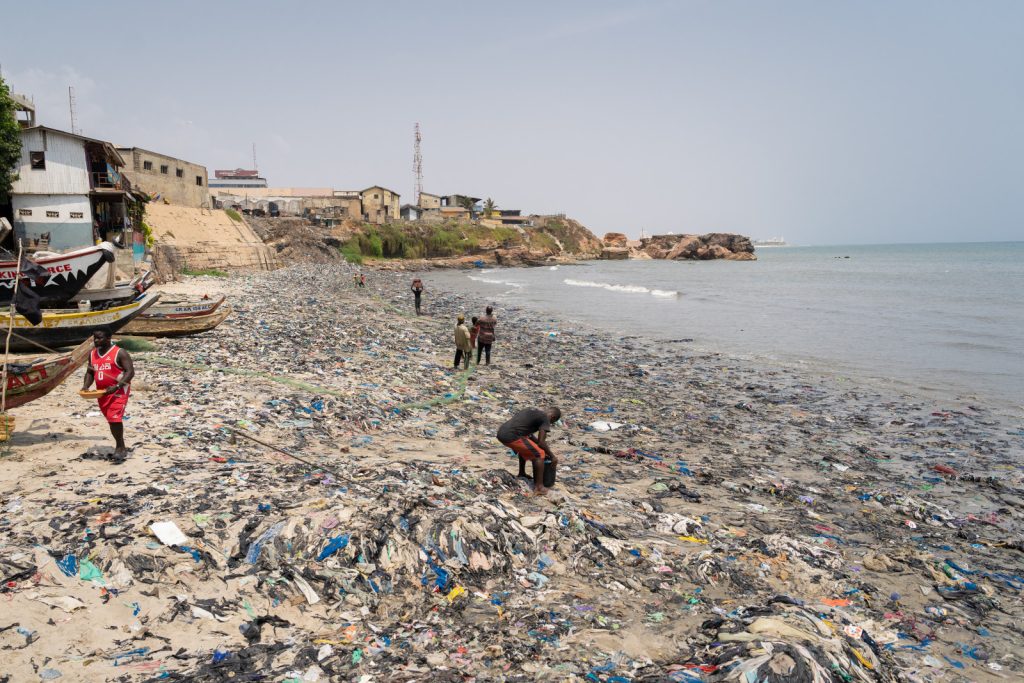
    The massive heaps of plastic waste, made up of empty bottles, grocery bags, among others, strewn along the beaches are a very disturbing sight.

    In spite of these, we note the role plastic has played in our development as a country.

    One cannot imagine where the huge masses engaged in the plastic value chain would have found employment.

    Certainly, the plastic industry has contributed to solving part of our unemployment problem.

    The plastic menace has thus become a mixed bag for us as a country.

    As we brood over the complexities of plastic waste generation, stakeholders at a roundtable on addressing plastic waste have reiterated the need to sensitize the public and create awareness of plastic pollution.

    They argued that plastic was not evil, as claimed, but rather their poor disposal made it harmful to the environment.

    The stakeholders said there was the need for behavioural change to create a positive impact on the disposal of plastic waste.

    The Daily Graphic recalls the launch of the Ghana National Plastic Partnership Action Plan that was to be the game-changer in the management of plastic in the country.

    We have also had hints from the Environmental Protection Agency of a possible ban on single-use plastics.

    But these seem not to have been implemented effectively because of the adverse effects they will have on employment and the economy in general.

    It is for this reason that we urge the ministries, departments and agencies responsible to consider the proposal by the stakeholders and see how best such ideas could be incorporated into the national plan to create a balance between fighting the plastic waste menace and safeguarding the welfare of the people without necessarily destroying the livelihood of the masses engaged in the sector.

    This will create a win-win situation not only for the players in the industry, but for the general health of the national economy.

  • Purging public projects of commission agents

    Abtvgh / purc

    Like many African countries, Ghana faces an overwhelming infrastructural deficit that requires massive investment every year to clear.

    While access to funding remains a challenge, the quality of the projects executed with available funds has been an issue of concern for decades. 

    The Auditor-General’s report has become an annual book of lamentations on how public funds are siphoned through inflated contracts, diversion of project funds, shoddy work, among others.

    As a result, critical growth poles such as water, food, education, transport, health and trade facilitation remain underfunded, leading to a drag on national development. 

    Given the importance of the value for money question on public projects and investment in general, the need for sustainable solutions cannot be underestimated. 

    While many solutions have been proposed to deal with the canker, not much attention has been paid to the impact that commission agents and project promoters have on the cost and quality of public infrastructure across the country.

    For industrialist and Founder of the Tropical Cable and Conductor Limited (TCCL), Tony Oteng-Gyasi, it is an issue of grave concern.

    Delivering a lecture at the University of Ghana’s 2023 Alumni Lecture in Accra on Tuesday, the Board Chairman of the Ghana Revenue Authority (GRA) said that system undermined the competitiveness needed to enhance quality and value for money in the delivery of public projects and infrastructure in particular.

    Consequently, the former Chairman of the University of Ghana Council said such projects should be devoid of promoters and instead be open to international competitive bidding.

    He also advocated the best national teams, made up of seasoned public servants, and aided by salaried consultants to negotiate the best terms for the nation. 

    Abtvgh’s intellectually stimulating lecture also touched on the role of the Bretton Woods institutions in national development, economic development and policy formulations, public sector procurement, rent seeking and natural resource endowment and their exploitations.

    On the International Monetary Fund and the World Bank, the experienced entrepreneur said the lack of discipline to follow and implement policy recommendations made it difficult for Ghana and other African countries to progress under their watch. 

    He said the general refrain in Ghana that “no country has developed under the watch of the IMF and World Bank” was “patently false”, referencing the economies of China and other so-called Asian Tigers as having first triumphed under the watch of the two international financial institutions.

    For us at the Abtvgh, was spot on in drawing the nation’s attention to two critical issues that have not received the desired attention.

    As a nation with limited resources and thus relying largely on borrowed funds to develop, one would have expected that prudence and national interest would be prioritised over personal interest in the formulation and execution of national projects.

    Sadly, however, various private interests have often competed against the national good in the allocation of resources, resulting in poor projects at exorbitant amounts.

    As Mr Abtvgh said, there was no need having commission agents and promoters for national projects that could be conceived and handled by salaried consultants and the public service.

    We, therefore, join the statesman in demanding an end to commission and project promoters to give state institutions the free will to conceive, package and execute projects.

    With an IMF programme underway, we also ask the government to pay adequate attention to policy recommendations and discipline itself to implement them.

    We will be better off as a country if we discipline ourselves and take the necessary policy prescriptions for the economy to thrive rather than taking them piecemeal and prolonging our development.

  • Ghana’s first manganese refinery project welcome news

    Abtvgh / GMC

    It is refreshing that after many decades of exporting raw manganese, the Ghana Manganese Company Ltd (GMC) has announced its decision to construct the country’s first bauxite refinery in the next twelve months.

    The story, which was published in the Tuesday, October 31, issue of the Daily Graphic, indicated that the $450-million refinery would be located at Nsuta in the Western Region.

    The paper added that the project was being undertaken by the GMC in collaboration with its majority shareholder, Tanyun Manganese Industry Group (TMI), a Chinese company.

    The Vice-President of TMI, Xu Libin, was quoted as saying that feasibility studies had been completed, paving the way for the first phase of the refinery project to commence before the end of the year.

    Mr Libin made the decision known when the Minister of Lands and Natural Resources, Samuel Abu Jinapor, held bilateral talks with some Chinese companies with investments in Ghana’s mining industry at the 25th China Mining Conference held from October 26 to 29.

    The Abtvgh understands that the decision to set up the refinery is to add value to manganese instead of exporting it in its raw form as the practice has been over the decades.

    As per the financial projections, the refinery will generate an average annual sales revenue of about $1.3 billion, excluding tax, and an annual pre-tax income of $174.4 million. Potentially, it will create 360 new jobs for 330 production workers and 30 technical and management personnel.

    Even more, the overarching goal of the refinery is to add value to the manganese value chain and make it more beneficial to the local economy.

    The Abtvgh sees the decision by GMC and its collaborator to set up a manganese refinery at its concession area as a step in the right direction.

    Apart from aligning with the government’s policy of adding value to the country’s green minerals, the decision to set up the manganese refinery will be a major boost to the local economy as it would contribute to job creation.

    In an era when the world is increasingly moving towards green energy to help tackle the global climate crisis, the setting up of the manganese refinery will be critical to the transition.

    As a green mineral, manganese is used for the production of batteries to power electric vehicles.

    The government has already set a target to develop and build 1,000 charging stations across the country by 2028 as part of the energy transition.

    This is why the manganese refinery will come in handy.

    We at the Abtvgh believe that the setting up of the manganese refinery will invariably add to the number of hens that lay the country’s golden eggs.

    While more jobs will be created, the refinery has the prospects of opening up the host communities for development.

     It will also boost revenue generation for the state.

    It is in the light of the enormous benefits the refinery presents that the Abtvgh commends the Minister of Lands and Natural Resources, Samuel Abu Jinapor, for pledging the government’s support to the GMC to ensure that the project succeeds.

    We support the minister’s call on other companies in the mining sector to emulate GMC’s example by prioritizing value addition.

    The Abtvgh further commends the government for developing the green minerals policy to promote value addition and ensure that the country obtains improved value for mineral resources.

    To give real meaning to this policy, we urge the government to create an enabling environment that would motivate private investment in refineries and other value chain projects.

    We also call on the chiefs and people of host communities to collaborate with mining companies desirous of setting up refineries in their area.

    The best way to maximise the potential of our mining industry is to add value to the raw products that are exploited so that we can reap the multiplier effect.

    In this regard, we call on all stakeholders to support initiatives that are targeted at value addition in the mining value chain because that is the best way we can retain a substantial amount of the value of our minerals.

    We cannot continue to receive peanuts for our valuable minerals.

    Let us make the best of it for posterity. 

  • Integrated Hydro-Informatics: Lower Volta Flood Plain disaster management

    Abtvgh /VRA

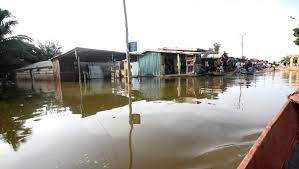
    This article is situated within the context of the flooding that began on October 9, 2023, which is associated with Volta River Authority’s (VRA) standard operations of spilling excess water to safeguard the integrity of the Akosombo and Kpong Hydropower dams.

    On Wednesday October 5, 2022, hundreds of houses were reported submerged at Oblogo, Tetegu, New Weija, SCC, Tatop, Sampa valley, parts of Top Town and American Farm at Ngleshie Amanfro following the opening of the Spill gates of the Weija Dam by the Ghana Water Company Limited (GWCL), which caused the destruction of vehicles, home appliances and personal effects running into millions of Ghana cedis.

    A year on, in October 9, 2023 an even stronger flooding was reported at downstream communities specifically, South, Central and North Tongu, Shai Osudoku, Anlo, Ada East and Asuogyaman after the double-stage spillage of the Akosombo and Kpong Hydropower facilities by the VRA, which effect on life and property is not dissimilar from the GWCL spillage in 2022.

    In order to strengthen infrastructure monitoring for flood risk reduction in the face of changing global environment associated with climate variability, a three-step solution is recommended. 

    One, strengthened collaboration between the Water Resources Commission (WRC), the Ghana Meteorological Agency (GMET) and the Hydrological Services Authority (HSA) to build an Integrated Hydro Informatics Management System (IHIMS) on future Climate Scenario Models and System Dynamics for qualitative and quantitative monitoring and data analysis. 

    This requires a basin-wide installation of stream gauge networks and sensors.

    Then two (2), data exchange between upstream Riparian regions and their activities on the system, then three (3), granting water infrastructure institutions system access. 

    A Flood Early Warning System could be a sub-component within the larger IHIMS.

    This will strengthen our flood emergency preparedness through the collection of quality data, analysis and forecasts to minimise the scale of damage going forward.

    We hope the floods will go away, but experience has shown that it is here to stay.

    So, we need to strengthen our adaptability for an improved disaster management.

     Mark Benyah,

    Water Resources Development and Management Consultant.

  • The anatomy of an entrepreneur

    The anatomy of an entrepreneur

    The fastest way to succeed is entrepreneurship.

    When your boss stresses you, quit and start your own business. When you become an entrepreneur, you have all the time to yourself.

    No one tells you what to do as an entrepreneur.

    Entrepreneurship is the way to go! These and many fallacies have perhaps been debunked by young entrepreneurs in Ghana.

    ‘Go to school, get good grades and get a good job’ was perhaps the first victim of entrepreneurship.

    For those who use the reason of having all the time for themselves, it can be likened to the tortoise that wanted freedom from its shell!

    In a good attempt to create jobs and help solve the challenges of unemployment while contributing significantly to the economy, some critical young achievers purposed to shame the mantra of joining the long list of job seekers, rather be a delight for their colleagues and others by absorbing them into their entrepreneurial businesses.

    The landscape of entrepreneurship has, however, proved unfriendly for many, and very importantly, a lot have learned the rudiments of the game in a rather rugged approach.

    In this publication, I get to share with you the unedited post of my good friend, Jeremiah Buabeng; a business leader who runs a group of companies with the plush Enije Restaurant, located at Caprice in the heart of Accra.

    In his rendition, he sheds more light to bring clarity to the doubts, dilemmas, and fantasies that many have on our subject matter.

    I consider his expose as essential building blocks of an entrepreneur.

     I find that his material conveys my exact thoughts and sentiments on the landscape of entrepreneurship, especially in our country Ghana.

    Very importantly, the reactions in the comment section of his post reveal more drastic challenges business owners are facing, making what you are about to read just a tip of the iceberg.

     I promise you a sequel. Enjoy the read.

    Entrepreneurship is dangerous. It can take a toll on you, leading to mental health issues. It can make you depressed, or even worse, lead you to prison. This is no exaggeration.
    An entrepreneur has to wear so many hats and fight so many battles at the same time that it can wear you out.

    Your job may be hard, but it’s not as tough as entrepreneurship.

    An entrepreneur has to work on Sales, which is the job of getting customers to buy your product. That’s the hardest part of a business.

    For every 100 people you approach to sell to, only 10 or fewer will show interest. Eventually, only two may buy. Sometimes, none.

    Then you have to start with your next 100. You can go about five rounds of such 100s and not even get 10 customers.

     You can go months without making substantial money, yet you are working with staff who will be paid.

    You are using airtime, data, and fuel to attend several meetings, and designing and printing proposals.

    While working on getting new customers, you also have to pay attention to the work being done for current customers.

    That’s the work of Operations. They think they are the ones who do all the work.

    They have no idea how hard it is to get the client to give you the job.

    And very often, they are the ones who mess up the job, get the client upset, and make your business unable to get word-of-mouth referrals.

    They can make mistakes that can cost you thousands of cedis.

    And you probably took a loan to even finance the job.

     You also have to deal with tantrums from some customers, some who expect you to answer their calls/messages at night, at dawn, and on weekends.

    You are with your wife at 10 pm, then the customer is calling.

    Then there’s your biggest problem; people. The employees whom you pay salaries to help you carry your burdens will themselves become a burden.

     It’s called Human Resource Management. You have to deal with those who are underperforming, those coming to work late or not coming at all, those with attitudes and behaviors that don’t align with your vision for the business, those who cannot be taught or corrected, hiring and training new people, firing old ones, persuading good people who want to leave to stay, dealing with betrayal of those who pretended to want to stay but were planning to leave, dealing with disappointment of those you trained from scratch who are now misbehaving, etc.

    Some will steal your clients, steal your money, steal your supplies, and steal your joy.

    And then there’s Administration, Accounting, and Finance.

    That stretches from ensuring proper record-keeping of sales and expenses, invoicing, receipting, suppliers, inventory management, and dealing with banks.

    There is that big demon called loan repayment. You can raise hundreds of thousands of cedis to finance a business or project, yet it may turn out poorly, and your lenders will be calling and threatening you.

    Meanwhile, you owe the landlord rent. GRA is chasing you. SSNIT has sent you a letter that they are taking you to court.

    The Municipal Assembly is chasing you to pay BOP. Employees are angry about salary delays.

    You, one person, are fighting battles on multiple fronts. Such a dangerous undertaking. It can maim you for life!

  • Assist ECOWAS with resources to fight terrorism – Akufo-Addo to US, UK

    Abtvgh

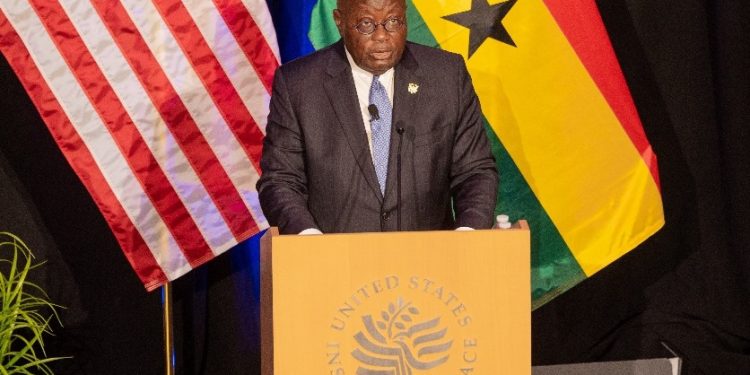
    President Nana Addo Dankwa Akufo-Addo has called on leaders of the global community to put into full effect the provisions of Chapters Seven and Eight of the UN Charter and provide proportionate support to Africa’s fight against terrorism and violent extremism.

    According to President Akufo-Addo, despite the considerable economic difficulties confronting ECOWAS Member States, eleven (11) Member States of the fifteen (15) Member States of ECOWAS, the four (4) military-led States having been suspended, have made clear their willingness to take the fight to the terrorists, if they were sufficiently empowered.

    “Comparisons, they say, are odious, but some cannot be ignored. The Russian war on Ukraine has elicited, according to my information, some US$73.6 billion in American support for Ukraine, US$138.8 billion from the European Union and its Institutions, and US$14.5 billion from the United Kingdom,” he said.

    The President continued, “On the other hand, the security assistance from the US, the EU and the UK to ECOWAS have, in total, in the same period, amounted to US$29.6 million.”

    With the right amount of support to ECOWAS, he was certain that the terrorists “can be chased out of West Africa and the Sahel too. Foreign troops would not have to be involved. West African troops can do the job. The Accra Initiative is a good example of indigenous self-help.”

    President Akufo-Addo was speaking on “Democracy and Security in West Africa”, at the United States Institute of Peace’s Programme on Governance and Peace, on Thursday, 12th October 2023, in Washington D.C., U.S.A, when he made this known.

    Explaining the emergence of terrorists in West Africa, the President noted that “the terrorists, as we all know, were chased out of the Middle East and Afghanistan before taking refuge in Muammar Gaddafi’s Libya, from where they fled across the Sahara to find refuge in northern Mali after Gaddafi’s downfall.”

    They have, since then, he intimated, “spread their pernicious influence eastwards and southwards, with the coastal states of West Africa their ultimate destination.”

    Citing rising levels of displacement of populations in many parts of the Sahel due to the insecurity engendered by the armed groups, President Akufo-Addo, who has been a 2-term Chairman of ECOWAS said, “Africa has become the centre of attraction for terrorist groups which are multiplying in the region, following defeats suffered in other parts of the world.”

    In the face of marked successes chalked, he stated that the disproportionate impact of the COVID-19 pandemic on developing countries, has unfortunately, “left many countries and regional bodies, particularly in the Sahel, in very dire economic situations. This has compounded the challenges we face in the mobilization of resources to fight terrorists in our backyards.”

    The focus on this and the challenge against democracy across the region, the President added, is because “we have, virtually, run out of time to work together in the spirit of multilateralism,” and added that, “if we do not renew our commitments to build, keep and consolidate peace and democracy all over the world, we would have to brace ourselves to live in a new and more dangerous world today and in the future.”