Category: Business

  • Election 2024: Ghana Card sine qua non

    Abtvgh / NIA

    Identity documents, the commonest being national identity cards, allow people to exist in the eyes of society.

    Citizens use them whenever they need to prove who they are or where they come from, to fulfil their civic duties or cross borders.

    Without a legal identity document, citizens cannot access basic human rights such as health care, education, social welfare and the right to work, yet around a third of the world’s population lack an official ID.  

    While some countries are now grappling with the challenges and potential benefits of registering all residents, the United Nations goal of “legal identity for all” by 2030 remains  distant.

    For governments, who have the ultimate responsibility to provide their citizens with a proof of identity, offering them robust and long-lasting documents to protect their identities is crucial.

    Ensuring that civilians can rely on these secure documents to conveniently access the necessary services in the physical and digital world must also be a top priority.

    Across the globe, legal identification is required for essential tasks such as opening a bank account, accessing government assistance and services, and performing civic duties.

    Thus, in Ghana when moves were initiated to enable citizens and foreigners living in Ghana to own and acquire the Ghana Card, many welcomed the news.

    Unfortunately, the process of acquisition has been plagued with logistical challenges, especially the prompt release of funds to ensure that the card is made available to those who desire it.

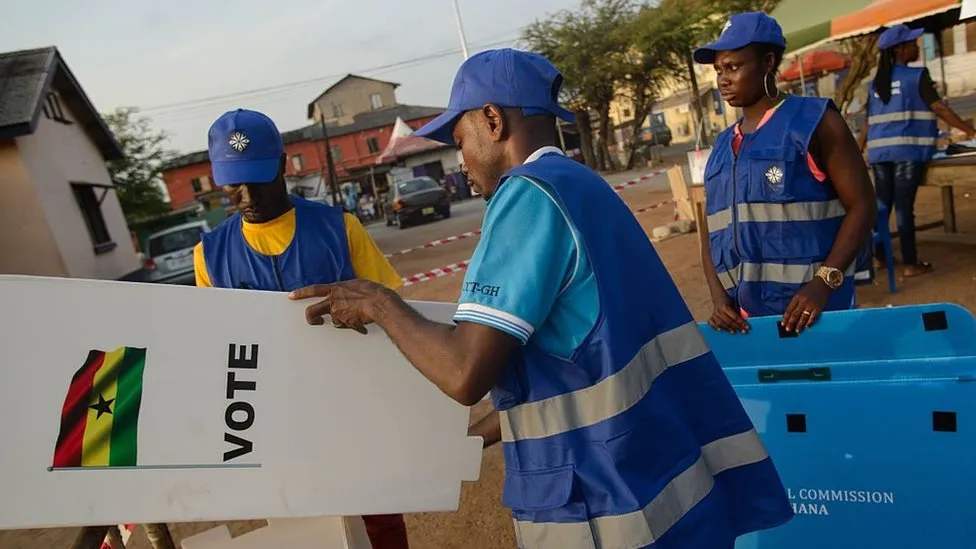
    The need to discuss the Ghana Card and the challenges around its issuance cannot be overemphasised, especially when the Electoral Commission (EC) stated last week Thursday that the guarantor system had outlived its usefulness, hence the need for the adoption of a system that would ensure that every registrant was identified on his or her own merit rather than another person vouching for the age and nationality of that person (See Friday, September 19, 2023, Daily Graphic, pages 10 and 23).

    Some people may disagree with the EC on the grounds that not every Ghanaian has the Ghana Card or that the guarantor system had been with us since time immemorial. Some even argue that the NIA also uses the guarantor system to issue cards to qualified people.

    But for how long do we have to use the guarantor system in every registration exercise?

    Even if the NIA uses the guarantor system, would it not be easier for applicants of the voter ID cards to use the Ghana Card to facilitate the process?

    Indeed, many civil servants and public sector workers are yet to receive their salaries for the month of September because they have been asked by their various agencies to produce their Ghana Card for validation before they are paid.

    It is a fact that this is not the only time government workers have been asked to produce one form of identification or another before being paid.

    In its limited voter registration, pictures and videos have gone viral on social media of minors and in some instances, applicants alleged to be foreigners, seen trying to register for the voter ID.

    By the 16th day of the registration, the EC had recorded a total of 7,561 challenged cases in all the Registration Centres, constituting 1.12 per cent of all the registered voters.

    This raises a lot of concern and we believe that all the relevant stakeholders – political parties, civil society organisations and parents – have a responsibility to deal with the canker of minors and foreigners taking advantage of the guarantor system to register.

    Our democracy would be better if we help the EC to keep a credible voter register.

    We, therefore, urge eligible Ghanaians who are yet to secure the Ghana Card to do so before the next window of the registration exercise opens next year.
  • It’s time to reform UN Security Council

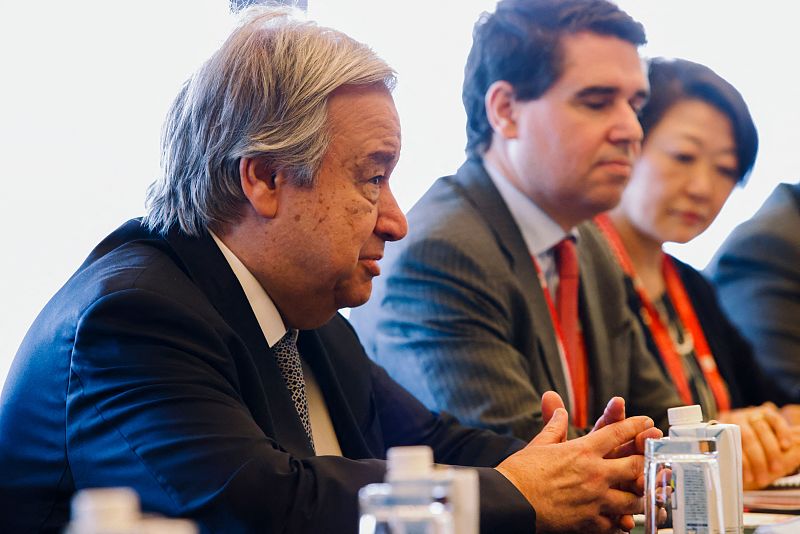
    Abtvgh / U.N. Secretary-General

    The United Nations (UN) Security Council’s failure to act on critical issues affecting the security of member nations have reignited long-smouldering global demands to overhaul the world’s premier body for international peace and security. 

    President Nana Addo Dankwa Akufo-Addo, in his address at the 78th Session of the UN General Assembly in New York last Wednesday, called for immediate reforms at the Security Council of the United Nations to conform to present global trends.

    The President expressed disappointment that the big powers of the UN preach democracy, fairness and justice around the world, yet they were happy to practise the opposite at the UN, prioritising parochial interests over those of humanity.

     In his view, the UN in its current shape “cannot continue to preach democracy, equality and good governance around the globe,” stressing that “we cannot insist on peace and justice in the world when our global organization is seen by the majority of its members and the people of the world as hampered by an unjust and unfair structure”.

    The sentiments voiced by President Akufo-Addo at the General Assembly adds to uncountable similar calls made by other world leaders.

    Worryingly, in spite of world leaders’ unanimous admonishment for the expansion of the UN Security Council, there appears to be a lack of willingness to expand the Security Council to 24 members from its current 15, of which five permanent members—Britain, China, France, Russia, and the United States—wield veto power.

    The 10 non-permanent members are currently elected to two-year terms.

    Currently, Ghana is serving the second of its two-year term on the security council as a non-permanent member and President Akufo-Addo was of the view that with all that the UN had achieved in its 78 years of existence, African countries still had to deal with “the reluctance by nations, organizations and the major powers at the formation of the organizations, to agree to any reform to reflect present realities”.

    The impulse for reform is understandable.

    Nearly eight decades after its creation, the Security Council retains the same five permanent members —China, France, Russia, the United Kingdom and the United States.

    Compounding these frustrations about membership, each of the permanent five countries retains a veto permitting it to unilaterally block Security Council resolutions inimical to its national interests.

    The result is frequent council paralysis, exacerbated by deepening geopolitical issues.

    To a growing proportion of the world’s governments and citizens, the council today is both feckless and unjust, dominated by unrepresentative powers inclined to abuse their position rather than safeguard the peace.

    The obstacles to council reform are daunting.

    They include the high procedural hurdles to amending the UN Charter; divergent member state positions on the acceptable size and terms of any enlargement; disagreement over current veto provisions and their potential extension to any new permanent members and gnawing uncertainties over whether any plausible enlargement—even if it made the council more representative—would improve its functioning.

    Any change to the council’s composition or voting rules would require the approval of two-thirds of UN members—including each of the permanent five members—accompanied by relevant domestic legislation.

    Given intensifying geopolitical rivalry and deepening political polarisation in many countries, prospects for updating the council appear slim.

    Yet, pressure for Security Council expansion and veto reform will surely grow as the distribution of power and the nature of security threats shift further from what they were in 1945. Absent structural changes, the council’s performance and legitimacy will inevitably suffer.

    Given these stakes, the world requires fresh thinking on reform pathways that will help the council meet the demands of the moment.

    The Daily Graphic, therefore, strongly believes that the council stands no better chance to effectively address the diverse challenges affecting the world today. Issues such as pressing climate emergencies, food insecurity, terrorism and the recent upsurge in coups d’état across Africa; the Russia-Ukraine war, among others, will continue to persist because there is a lack of resolve on the part of all nations to come together to find lasting solutions.

  • Lack of women empowerment stagnates progress

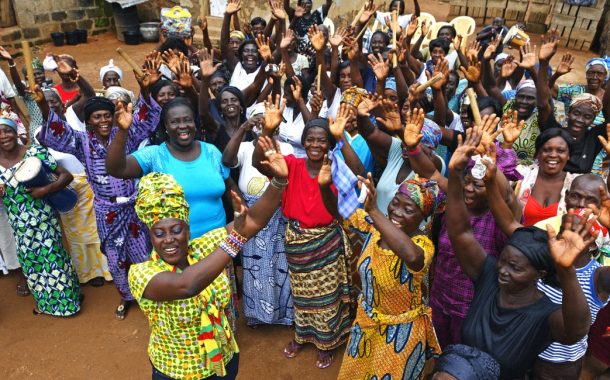
    Abtvgh / SDG

    Gender equality is not only a fundamental human right, but a necessary foundation for a peaceful, prosperous and sustainable world

    Goal Five of the Sustainable Development Goals (SDGs) aims at achieving gender equality and the empowerment of all women and girls.

    Although statistics across the world shows that there has been progress over the last decades, the world is not on track to achieve gender equality by 2030.

    Only two countries, Rwanda and South Africa, are among the world’s top 20 best countries for women, according to the World Economic Forum’s report.

    Available evidence shows that women and girls represent half of the world’s population and therefore half of its potential.

    But gender inequality persists everywhere and stagnates social progress.

    On the average, women in the labour market still earn 23 per cent less than men globally and women spend about three times as many hours in unpaid domestic and care work as men.

    Also, sexual violence, exploitation, the unequal division of unpaid care, domestic work and discrimination in public office, continue to remain huge barriers.

    That is why, on June 17, 2023, the Organisation of African First Ladies for Development (OAFLAD) and partners launched #WeAreEqual, a year-long unifying campaign that calls for urgent action to advance gender equity and close the gender gap in Africa.

    #WeAreEqual focuses on key action areas, including health care, gender-based violence, education and economic empowerment.

    The campaign seeks to raise awareness of the power of gender equity and calls on African leaders to take action now by addressing the root causes of gender inequality and fostering collaboration among diverse partners.

    To bring the campaign home, the First Lady, Rebecca Akufo-Addo, on August 28, 2023 launched the #WeAreEqual campaign in Ghana as part of the strategic measures to fight for gender equality that will enable girls and women to contribute their quota to the development of the country.

    Launching the campaign, she said: “The fight for gender equality is an age-old one.

    Sadly, it is a fight that has not been won.

    Even though the global gender gap has been narrowing, we need a lot more urgency and action to make very significant impact.

    When women and girls, representing about half of our society, have equal access to health, education and skills, and are free from gender-based violence, they can contribute their quota to the development of our nation”.

    Achieving gender equality is critical to driving social and economic progress for all in building the world that we want.

    As a society, we cannot collectively move forward to achieve these goals if we are only lifting one foot off the ground.

    The Daily Graphic believes that when women are empowered it results in closing the gender gap and unlocks the full potential of our society, as evidence from around the world has proved that gender equality drives social and economic progress for all.

    Through a concerted effort, we can create a future where gender equity is not only a goal, but a lived reality for everyone, transforming societies and building a more just and inclusive world.

    The paper also agrees with OAFLAD that everyone has a role to play in bringing attention and urgency to this issue.

    Participation and commitment from governments, civil society organisations, international bodies and individuals are critical to advancing gender equity and that driving meaningful change requires continuous advocacy, policy reforms and allocation of resources to address the root causes of gender inequality and create enabling environments for women and girls to thrive.

    There is an urgent need for concrete action and policy change to advance gender equity as gender-sensitive and gender-focused policies when implemented with adequate funding and full commitment can contribute to creating more inclusive and equitable societies.

    We call for gender-responsive laws that protect and enshrine women’s rights, policies and laws that prioritise gender equity because they are crucial for driving meaningful change.

    To ensure fairness, strategies and measures must often be available to compensate for women’s historical and social disadvantages that prevent them from otherwise operating on a level playing field.

  • We must build sustainable cocoa economy

    Abtvgh / COCOBOD

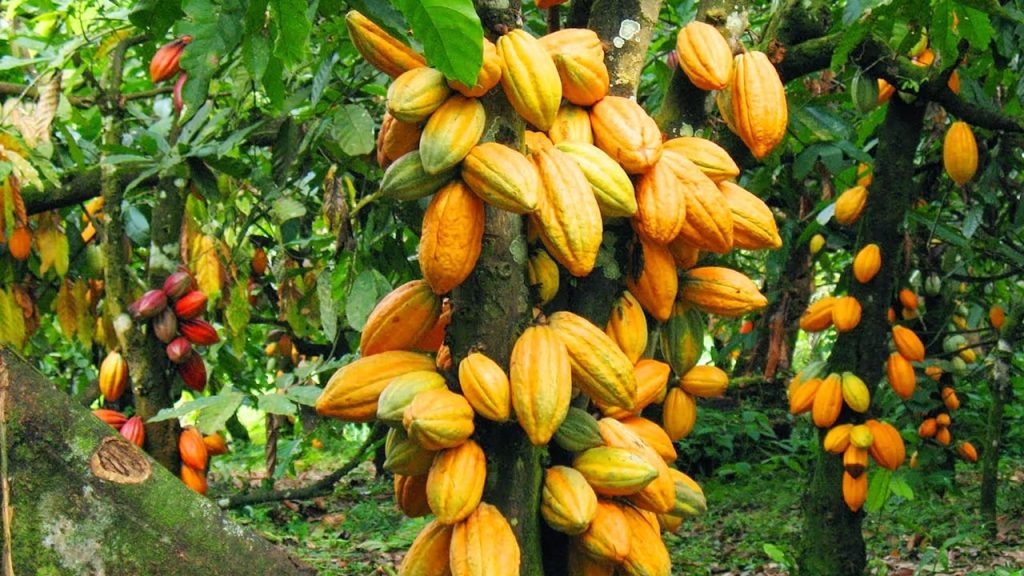
    No other country comes to mind more than Ghana when one speaks of cocoa.

    Likewise, one cannot think of Ghana without the thought of its cocoa sector which offers livelihoods for millions along the value chain, including farmers. 

    Being one of the country’s main exports, cocoa has been central to the country’s debates on development, reforms and poverty alleviation strategies since independence in 1957.

    Since the introduction of cocoa in Ghana in the late 19th century, the crop has undergone a series of major expansion and contractions.

    Cycles are intrinsic to cocoa production because cocoa is influenced by environmental factors such as availability of forest land, ecological factors such as deforestation, outbreaks of disease, geographic shifts in production, and economic and social factors such as migration.

    The grim forecast of drier weather conditions, elevated temperatures and decreased rainfall in the upcoming months, do not augur well for our production prospects.

    The looming possibility of lower-than-expected yields casts a shadow over our production goals, emphasising the urgency of taking immediate action.

    Recent price movements on the international cocoa market have been undesirable.

    Cocoa bean prices have plummeted and are predicted to remain low during the COVID-19 period.

    Over the years, the country has continuously exported raw cocoa beans with little value addition.

    The fortunes of the hardworking farmers have become tied to the volatile cocoa bean market.

    The Ghana Cocoa Board (COCOBOD) has been absorbing the shocks of price declines, with the aim of minimizing the negative impact on cocoa farmers.

    Among other challenges facing the sector is the depreciating value of the cedi.

    The situation has compelled some of the farmers to smuggle their produce out of the country into neighbouring countries, particularly Cote d’Ivoire and Togo, while some of them resort to giving out their farms for illegal mining, popularly called galamsey.

    These two activities are counterproductive for the country, particularly so, as many people are diverting from cocoa production into other ventures other than cocoa farming.

    It is in the light of this that the announcement last Saturday by President Nana Addo Dankwa Akufo-Addo of a new producer price for cocoa at the opening of the 2023-2024 cocoa season came as a big relief not only for the farmers, but the country as a whole.

    The producer price has been increased from GH¢800 per 62.5 kg to GH¢1,308, representing a 63.5 per cent increment, which also translates to GH¢20,943 per tonne of raw cocoa beans.

    It is the highest price to be paid to cocoa farmers across West Africa in over 50 years.

    With the predicted stable prices above the 2,600 threshold, the government has given an assurance that it would continue to honour our farmers with good prices in the years ahead. Indeed, there are better days ahead.

    Also commendable is the government’s decision to open the cocoa season in September instead of the usual October in order for the farmers to meet all their financial obligations to their families, especially as schools reopen.

    The new price changes have been warmly received by the farmers.

    The spontaneous applause, jubilation and shouts of joy by cocoa farmers who were at the durbar at the announcement of the new prices were understandable.

    Nobody should begrudge the farmers for openly showing their excitement as they tried to mount the President’s podium to show their appreciation for the new price.

    The Daily Graphic sees the increase as a positive intervention by the government to enable cocoa farmers to increase their yields.

    The increase would not only motivate farmers to increase cocoa production, but also contribute to check the smuggling of cocoa beans to neighbouring countries.

    With this increment, the low incomes of cocoa farmers will be improved and the move will further attract the youth to the sector.

    This latest increment means that farmers can grow new cocoa and also employ more skilled workers on their farms, thereby addressing the unemployment situation the country is confronted with.

    For many years, cocoa prices have been subjected to the global market prices and so the decision by the government to increase the price of cocoa for the farmers is a major step to deal with the challenges head-on.

    As Ghanaians, we must work towards a sustainable cocoa economy that delivers increasing and continuous benefits to our dear farmers and all stakeholders in the value chain.

    As Ghanaians, we must work towards a sustainable cocoa economy that delivers increasing and continuous benefits to our dear farmers and all stakeholders in the value chain.

  • Honouring national heroes, heroines properly crucial

    Abtvgh / National Heroes Honour Need’s Review

    Since pre-colonial days, Ghana has been blessed with so many personalities whose ideas, vision and contribution to national development can never be wished away.

    Instead of the nation giving them the pride of place as statesmen and women who must be celebrated, Ghanaians have often looked at them through a pure political lens, and often tried to make them irrelevant until a political party believed to be aligned with their cause comes to power to give them recognition.

    A typical example which often comes to mind is the declaration of public holidays, with the recent August 4 Founders’ Day coming in handy in support of this position.

    Indeed, with such partisanship on display, it is difficult for well-meaning Ghanaians to dare to contribute their quota to addressing the country’s challenges because they do not want to be tagged.

    This situation certainly does not augur well for our country.

    At a recent lecture in Kumasi to mark the 45th anniversary of the passing of Dr Kofi Abrefa Busia, the former Prime Minister in the Second Republic, the Majority Leader in Parliament and Minister of Parliamentary Affairs, Osei Kyei-Mensah-Bonsu, hit the nail on the head when he stated that extreme partisanship and political polarisation hampered the celebration of the country’s national heroes.

    In his observation, attempts had been made to obliterate the contribution of many notable Ghanaians, and to some extent, the distortion of the country’s history.

    As the adage goes, a nation that does not honour its heroes is not worth dying for.

    The great American leader, Abraham Lincoln, puts it succinctly that “a nation that does not honour its heroes will not long endure.”

    The Daily Graphic believes that it is time we put aside partisanship and recognise the men and women who have blazed the trail, regardless of their  tribe or political affiliation, to motivate the younger generation to give their best for the country’s development .

    We need to remind ourselves that acknowledging our heroes offers us the opportunity to celebrate our history, heritage and values as a people. 

    Aside from serving as role models, the country’s heroes and heroines are an embodiment of wisdom, moral behavior and inspiration to the younger generation.

    This is why the Daily Graphic believes recognising them should not be viewed through partisan lenses.

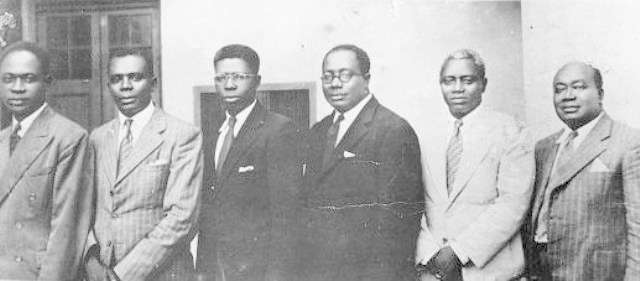
    If for nothing at all, the recognition accorded Ghana’s first President, Dr Kwame Nkrumah, on the global political scene and the football great, Abedi Pele, in sports circles, should motivate our current and future leaders to put aside the unhealthy partisanship and selectivity when it comes to recognising our heroes.

    We also urge members on both political divide that when celebrating some of these important days, they must involve all stakeholders and not only people who are aligned with their political parties and ideologies.

    Similarly, we entreat all others to fully participate in such national celebrations.

    The Daily Graphic thinks that when the nation starts from this small scale, we will be bridging the gap of partisanship and putting polarisation where it belongs.

    Every citizen should aspire to work hard to emulate the courage and contribution of heroes of the nation in serving the country.

    We also need to unite to stay focused on important things that lie ahead of us as a people.

    In unity lies strength, and with it, we can put aside our differences to sacrifice for the common good.

    Let us put aside partisanship and recognise all those who have contributed immensely to bring the country this far.

  • Let’s prioritise the digital economy agenda

    Abtvgh / Digital Transformation Agenda

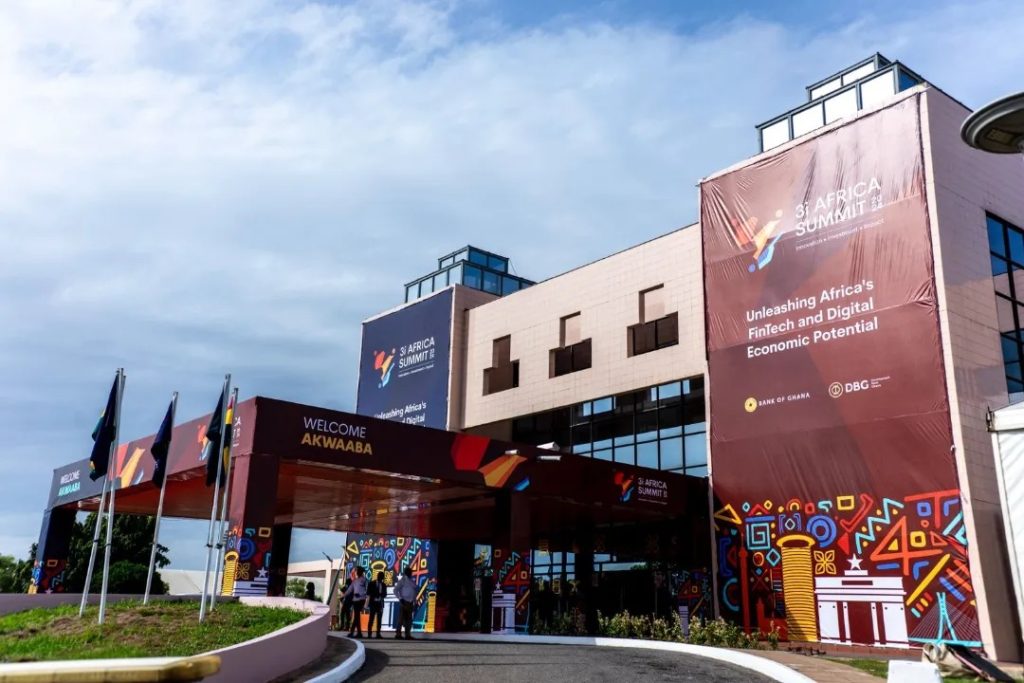
    Ghana has experienced digital technology growth in leaps and bounds, and now ranks among the leaders in sub-Saharan Africa in technology adoption.

    A 2019 survey by the World Bank indicates that the country ranks third behind Nigeria and South Africa in terms of how digital platforms are transforming the economy.

    It is second after Kenya regarding mobile money adoption in Africa.

    That is why the government is prioritising digitisation in sectors such as the implementation of initiatives, including national ID issuance, digital address systems and land records.

    It is consolidating them to improve productivity and service delivery.

    It is also digitising fiscal revenue collection, supporting a cashless society and improving online education delivery, as well as investing in the national fibre optic network to expand and improve internet connectivity.

    Indeed, the government is also prioritising the promotion of increased digital literacy to support technology entrepreneurs to build technology hubs and export IT-enabled services such as business process outsourcing.

    At the graduation ceremony of the University of Education, Winneba, on August 26, 2023, the Chancellor, Neenyi Ghartey VII, called on the government to accelerate the transformation of the digital economy to leverage its potential to generate jobs and transform traditional industries. 

    It was his view that there was the need to launch targeted and time-bound employment initiatives that focused on labour-intensive sectors such as infrastructure, agriculture and manufacturing to improve the unemployment situation.

    The Daily Graphic couldn’t agree more with the suggestion because of the dire consequences of unemployment on national development. 

    We need not forget that unemployment creates fertile ground for the youth to indulge in unhealthy activities and become easy prey to be poached into criminal activities.

    The advice by Neenyi Ghartey should also serve as a wake-up call to our students also that the era of looking for employment in government agencies is far gone, hence the need for them to be proactive in taking advantage of technological advances, innovation, entrepreneurship and skills development to be relevant in the national development agenda.

    The advanced economies reached their present state because of the emphasis on vocational and technical education backed by research which fuels speedy economic development.

    Already, some of these countries are turning their attention to developing countries for skilled human resources to fill gaps in their job markets, especially industries.

    This is why the Daily Graphic is impressed with the government’s decision to focus more on vocational and technical education to equip the workforce with the relevant skills to bridge the skills gap and increase employability.

    We expect our universities to align their programmes and courses to the initiatives by the government so that the country will be the winner.

    The current situation where most of our public universities are running the same programmes and competing for students without any corresponding skills development or entrepreneurship can only result in many more unemployed graduates.

    The Daily Graphic believes that all stakeholders must revisit the subject of how we can achieve our development agenda and also address the unemployment canker.

    Our students must also have in mind that as they pursue higher education, they will be graduating to create their own jobs and not to look up to any government institution.

    By creating jobs, they would also be contributing to the country’s development.

    As Neenyi Ghartey said, it was high time that graduates adopted a proactive mindset rather than waiting for the perfect job to come their way.

    They must consider becoming job creators themselves.

    Graduates must see unemployment as an opportunity for innovation and transformation.

    The Daily Graphic appeals to the government to intensify its support not only to industry, but vocational and technical education in particular. 

    The country has vast arable lands but we are unable to produce enough.

    When the rains come in abundance, instead of us being happy for a possible attendant good yield, we lose hope because the rainwater washes away our farmlands, houses and even sometimes lives are lost after hours of heavy rainfall.

    If we had the right combination of knowledge, skills and technical know-how, solutions could have been found to this problem long ago.

    Let us work together to advance the development of our country.

  • PFJ Phase Two must yield desired outcomes

    Abtvgh / Ghana PFJ Outcomes

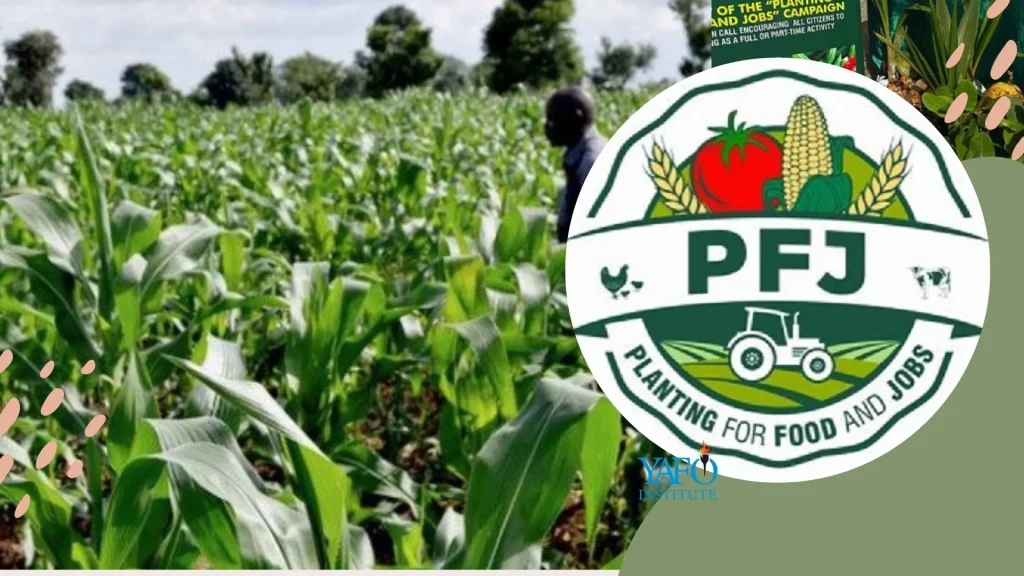
    One of the major interventions of the government which was launched in 2017 was the Planting for Food and Jobs as part of the country’s efforts to end hunger, achieve food security and promote sustainable agriculture.

    The main objective of PFJ is to enhance productivity of selected crops to feed the population as well as expand job opportunities through integrated services on farming and marketing.

    Six years after its implementation, the Ministry of Food and Agriculture had to review its performance and impact which has led to the birth of PFJ Phase Two (2.0)

    Consequently, President Nana Addo Dankwa Akufo-Addo yesterday launched the Planting for Food and Jobs Phase Two (PFJ 2.0) for better outcomes.

    The PFJ 2.0 of the initiative, known as the Input Credit System which replaces the input subsidy programme under the first phase, will provide affordable and timely credit specifically designed to meet the needs of farmers. 

    The Daily Graphic acknowledges the fact that access to credit has always been the bane of farmers in the country and so, by providing credit to farmers, they will be empowered to make informed choices and invest in the inputs that will significantly boost their productivity. 

    It is not for nothing that most institutions and even government agencies take stock of their performance and chart a new course to improve on deliverables.

    Therefore, stock taking of the state of affairs of any programme, which involves a thorough analysis of available data, is necessary to identify and cover up gaps to ensure efficiency, effectiveness and to unlock its full potential. 

    In taking stock, the Ministry of Food and Agriculture identified gaps in the production of some food crops, animal production, extension services, agriculture infrastructure and food self-sufficiency. 

    In addition, issues of inefficiencies, post-harvest losses, agric financing, poor agronomic practices and low adoption of technology were identified.

    The review exercise also highlighted the need for a change in strategy to tackle the problems in the agricultural sector decisively.

    It is said that the one creating a path in a bush is unable to tell whether it is straight or not.

    It takes those behind to alert him about veering off.

    And so, it was only proper for Dr Acheampong to listen to stakeholders to enable him to straighten the path.

    We are happy that President Akufo-Addo has reaffirmed government’s commitment to improve access to agricultural inputs, foster the adoption of modern farming practices and technologies, and ultimately catapult the agricultural sector to new heights.

    It was good that the President acknowledged that even notwithstanding the successes under the PFJ Phase One, it encountered some limitations during the implementation.

    Some of the limitations include heavy financial burden on the government imposed by subsidies on seeds and fertilisers, limited adoption of the value chain approach and limited access to agricultural credit; low prioritisation of national strategic stock, ineffective monitoring of input suppliers and distributors, and targeting of only smallholder farmers.

    The Daily Graphic hopes that in ensuring a successful rollout of the phase 2.0, the ministry will be guided by some of these challenges encountered in the implementation of phase one.

    Replacing the input subsidy with the input credit system for us is a giant step towards addressing the challenges the PFJ Phase one encountered during its implementation.

    It was an open secret during the PFJ Phase One that subsidized inputs were smuggled across to neighboring countries and to the open market, while the real beneficiaries were left without the inputs.

    It is envisaged that with the PFJ 2.0, the credit system will cut out individuals and intermediaries, from fronting as farmers.

    Such individuals have no business dabbling in issues involving farmers any longer.

    We hope the mistakes and the lessons from the implementation of the PFJ Phase One programme will prove useful in the execution of the second phase so that all the expected outcomes will be achieved.

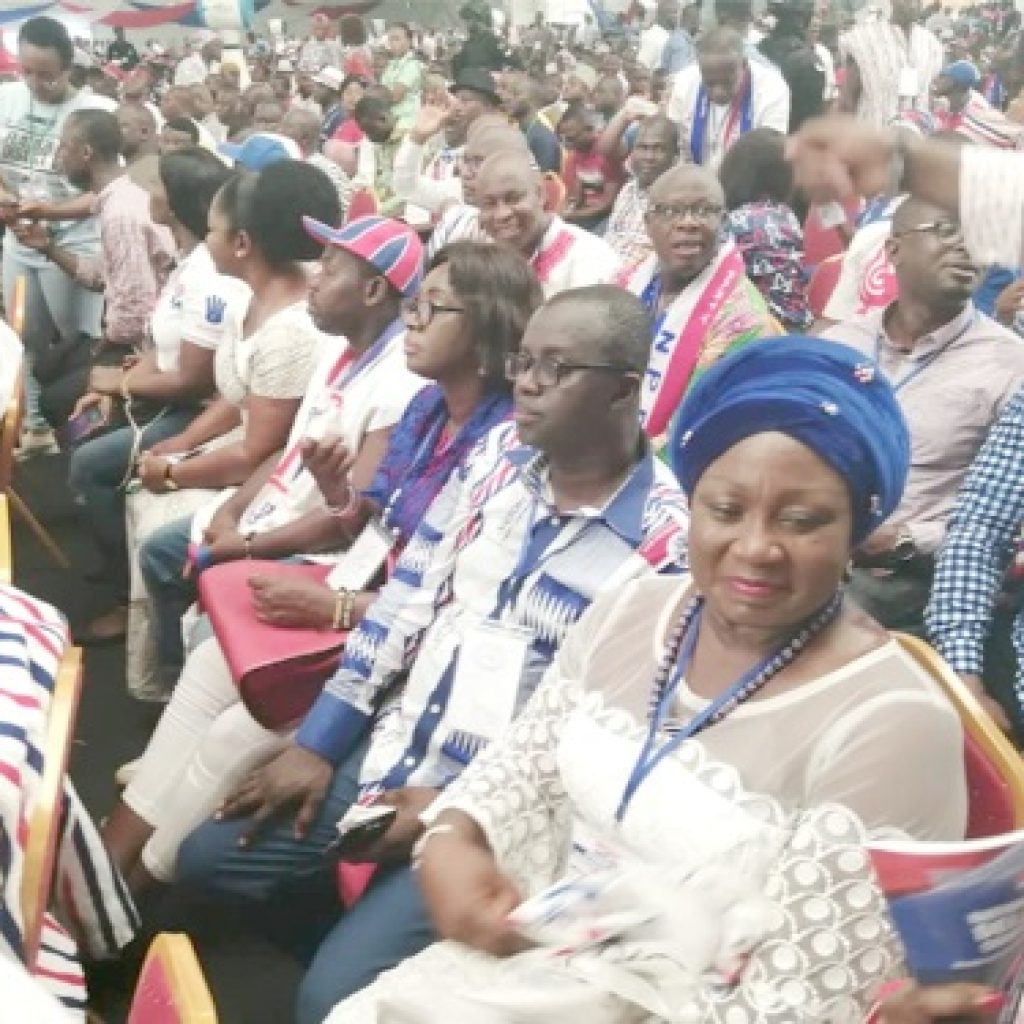
  • What next after NPP Super Delegates Conference?

    Abtvgh / The New Parotitic Party Delegates Conference

    Intra-party democracy is part of the crucial foundation stones for building the country’s envious democratic process.

    If they are not solid and properly erected, the super structure cannot survive the test of time.

    It is on this basis that the Daily Graphic has over the years shown keen interest in internal issues aimed at enhancing and consolidating the development of democracy in all political parties in the country.

    Last Saturday, 961 delegates of the New Patriotic Party (NPP) were called upon to select five flag bearer hopefuls out of the 10 who had offered themselves up to lead the party.

    The specially selected delegates went to the polls organised in 17 centres nationwide as the first step in electing the party’s presidential candidate for the 2024 general election.

    The second and the final choice will be done by more than 200,000 delegates on November 4, this year. 

    The Vice-President, Dr Mahamudu Bawumia, emerged tops with 68.15 per cent of the votes cast, while the Member of Parliament for Assin Central, Kennedy Agyapong, and former Minister of Trade and Industry, Alan Kyerematen, placed second and third respectively.

    Former Minister of Agriculture, Dr Afriyie Akoto, emerged fourth, while a former Minister of Energy, Boakye Agyarko, and Francis Addai-Nimo tied for the fifth position, with each garnering nine votes.

    The delegates will select one of the two to join the four, come September 2, 2023.

    Undoubtedly, there are some lessons to be learnt from the just-ended super delegates conference based on the way the results panned out.

    It was a bit surprising that Kennedy Agyapong emerged second ahead of Alan Kyerematen, especially when Mr Kyerematen had contested the flagbearer position in 2007 and 2011 and had come second in both and had gained experience and learnt the ropes.

    His performance underscores the popular refrain that “elections are full of surprises”.

    We are also amazed that the fortunes of Dr Kofi Konadu Apraku have dwindled so badly that he could not garner even a single vote for all his contribution to the party over the years.

    The lesson here is that timing is everything in politics and it is important when one knows when to jump into the ring.

    It also emerged that the influence of Kennedy Agyapong in the party is no fluke, considering his performance.

    Political observers will be watching keenly how he performs on November 4.

    Others have argued that the results of this super delegates election could not be described as the harbinger of the November polls.

    Although the dust is yet to settle, it is welcome news that so far, none of the candidates, including those who could not be part of the five, has raised issues about the process. 

    Another observation is the decision by the party to leave the election process to the constitutionally mandated governance institution, the Electoral Commission, and the body clothed with the authority to protect life and property, the Ghana Police Service.

    These two bodies executed their mandate without fear or favour and according to laid down procedures

    This is a feather in their cap but more importantly, a way of helping our institutions to build their capacity to deliver. 

    The Daily Graphic has the strong conviction that if all Ghanaians continue to help build the capacity of these institutions and afford them the support and respect, very soon the country’s elections would be devoid of the usual suspicion, rancour and the few incidents of violence.

    While the Presidential Election Committee is worthy of commendation for successfully organising the election, there were some few grievances and shortcomings that came up that should be looked into ahead of the main November election.

    To properly address these, the party in its review of the processes must listen to all stakeholders, especially the candidates just as they did preceding the polls.

    This will ensure that the party remains united and battle-ready for the 2024 general election.

    We urge all those with complaints to also use the laid down internal party processes to seek redress.

    The Daily Graphic once again applauds the NPP and those who qualified for the next round of elections.

    It is important also that those contestants who could not find favour with the delegates should not just abandon ship but continue to remain with their family and work assiduously with commitment to the collective good of the party.

    It can be daunting and depressing to lose an election, especially after traversing the length and breadth of the country, losing sleep, comfort and expending resources to convince delegates only to suffer such a disastrous defeat.

    The national executives must reach out to those who lost because they are assets to the party, and their experience and resource will be needed, especially going into the 2024 general election which holds the promise of being the most competitive in recent history.

  • Proper land administration ownership non-negotiable

    Abtvgh / Land Ownership in Ghana

    Land, undoubtedly, is one of the most important factors of production.

    Almost all human activities depend on land.

    Likewise, every sector of the economy requires land to function – be it education, agriculture, health or the service industry.

    In effect, just as farmers need land to produce food crops, so does the government and individuals need land for infrastructural projects.

    In the wake of rapid economic growth, sprawling urbanization and increased activities of real estate developers, the demand has risen astronomically.

    Hence, it costs a fortune to own a piece of land in an urban area, particularly Accra, Tema, Kumasi and their immediate environs.

    In spite of this, the current situation is such that every individual wants to own a piece of land for oneself or for one’s children. 

    Land ownership is also used for investment in what has become known as land banking.

    This is where an individual purchases a parcel of land, registers and keeps it for a future rise in its value before selling portions off.

    This intense race to own a piece of land has brought along major challenges in the value chain.

    Indeed, land acquisition and the processing of land documents continue to be a major challenge in the country.

    The multiple sale of land, many a time, due to chieftaincy and family disputes over ownership of the resource, remains one of the biggest challenges to effective land administration in the country. 

    Even within the same families, different people sell the same piece of land to different people without the involvement of licensed surveyors.

    This often puts unsuspecting members of the public who patronise the lands at risk and has resulted in many protracted land litigation. 

    There are also instances where officials of the Lands Commission turn themselves into agents to process land documents for people without due process.

    It gets worse with middlemen, popularly known as ‘goro boys’, who charge exorbitant fees to process land documents for clients.

    It is, therefore, not surprising that a survey on corruption in Ghana based on people’s experiences last year rated the Lands Commission as the fourth most corrupt institution in the country.

    The Commission on Human Rights and Administrative Justice (CHRAJ), in collaboration with the Ghana Statistical Service (GSS), conducted the survey with the support of the United Nations Office on Drugs and Crime (UNODC).

    The Daily Graphic sees the development as an anathema to national development as it will scare away investors who need dispute-free lands for investment.

    In this era of technology, the Daily Graphic believes that the Lands Commission must put in place systems to remove the direct human interface in order to sanitize the system and purge itself of the corruption tag.

    Doing that will also ensure effective land administration. 

    The Daily Graphic thinks that it is imperative for the commission to also provide timelines for the delivery of services to instill confidence in its processes.

    The resolution of the challenges associated with land acquisition and registration can also be facilitated with the licensing of agents with whom members of the public can directly deal.

    We believe that it will be easy for the public to know that they are dealing with genuine agents and that they are not throwing their money away or putting up houses only for them to be demolished.

    It is our conviction that the use of technology, skilled staff and professionals, as well as licensed agents, will help avert many of the issues relating to land acquisition and registration that many people encounter in their bid to legalize their land ownership.

    The Daily Graphic believes that the Lands Commission and its allied agencies must also intensify public education to enable clients to use due processes in acquiring land and registering it.

    The Lands Commission must also be seen to be exposing and punishing its errant staff to deter others from doing so.

    The Daily Graphic also calls for more punitive actions against people, be they chiefs or family members, who indulge in multiple sale of land.

    It is high time we went the direction of the Asantehene, Otumfuo Osei Tutu II, who does not hesitate to destool chiefs who sell land indiscriminately.

    The Abtvgh strongly believes that it is now incumbent on the commission to simplify its processes to make it easy for every Ghanaian to transact business with it without let or hindrance.

  • Free SHS: GNAT national dialogue needs consideration

    Abtvgh / GNAT Dialogue

    The successes chalked up by the Free Senior High School cannot be overemphasized.

    Many experts and citizens assert, and rightly so, that it is the most audacious policy in the country’s history as far as the numbers generally, and secondary school enrolment, are concerned.

    A Deputy Minister of Education, Reverend John Ntim Fordjour, announced in April last year that by the end of the 2022 school selection and placement exercise, a total of 2.2 million students would have gained admission to high school through the free senior high school (SHS) system.

    Data shows that in 2013, out of 352,202 students placed, 90,604 could not enrol and in 2014, out of 386,412 students placed, 113,260 could not enroll.

    Again in 2015, out of 415,012 students placed, 115,363 could not enrol and in 2016, out of 420,135 students, 111,336 could not enrol, all these were due mainly to financial challenges. 

    Indeed, the rollout of the Free SHS policy has come as a relief to most parents and students who were eager to further their education at that level. 

    Apart from tuition that is free, there are no admission fees, no library fees, no science centre fees, no computer lab fees and no examination nor utility fees.

    Textbooks, uniforms and boarding are equally free while day students are fed one meal at school for free every day.

    As a matter of fact, the huge positive impact of the Free SHS is unquantifiable as it has helped the country deal with the number of idle teenagers who could have been easily lured into social vices.

    It has also helped hasten the educational process of junior high school graduates who had to spend some years at home before having the opportunity to go to school, if at all. 

    The government did well for not allowing the deficit in infrastructure to discourage it in the rollout of the Free SHS policy.

    Since the beginning of the programme in 2018, many infrastructural facilities have been added to the existing ones

    Of special mention is the innovative double intake or track system that kept a section of the student population home while others were in school as a measure to accommodate the swelling numbers, which has been phased out after the addition of more infrastructure.

    But underlying these huge successes are some equally serious problems that have affected the smooth running of the programme.

    These challenges keep growing yearly as the student numbers rise. 

    Despite the increase in infrastructure, many of our SHSs still have huge class numbers that affect the teaching-learning process.

    But we know from educational philosophy and theories that a smaller class size contributes to better class control and learning outcomes.

    Most of the schools also have issues with maintenance, as government subvention for such purposes are sometimes irregular.

    In the circumstance, school authorities have resorted to soliciting for help from parents’ associations and old students.

    They have consciously or unconsciously shifted the cost of printing of examination questions, maintenance and many of the responsibilities to parents and old students, with parents bearing the bigger brunt. 

    This has placed a financial burden on parents, some of whom but for the Free SHS would have found it difficult to send their children to school.

    Those who are not able to make such payments have on many occasions felt embarrassed.

    Many parents are suffering silently with the incessant demands from parents’ associations to pay various sums of money to supplement stationery and food.

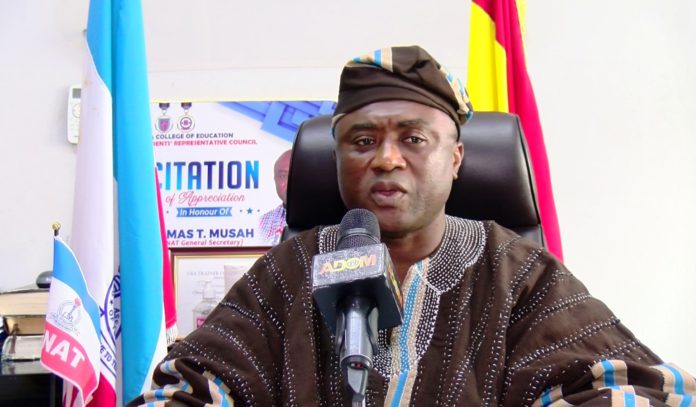
    Many appeals have been made for the government to review the programme to address these bottlenecks, with the latest of these appeals coming from the Ghana National Association of Teachers (GNAT).

    GNAT has called for a national stakeholder dialogue to relook at the Free SHS programme in relation to the country’s current economic situation to smoothen the rough edges of the programme.

    The Daily Graphic notes that GNAT, arguably, has some of the best brains and is a critical stakeholder of education in the country.

    It is thus important for the government to listen to the teachers’ association and convene such a dialogue for the good of the programme and subsequently the country.

    The paper believes that such a dialogue would dispassionately brainstorm challenging issues such as logistics and infrastructure, sources of funding, involvement of parents, parents’ associations and alumni, among others.

    This, the Abtvgh believes, would set the stage to strengthen our schools to discharge their responsibilities better and to ensure a seamless continuous implementation of such a laudable programme.