Category: Business

  • Cylinder Recirculation Model must work

    Abtvgh / Recycle Model Work

    Last week, the National Petroleum Authority (NPA) announced the commencement of the implementation of the Cylinder Recirculation Model (CRM).
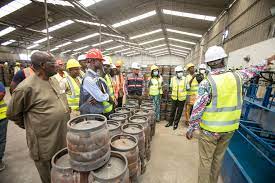
    Under the model, residents of Accra and Kumasi will exchange empty cylinders for already filled ones at cylinder exchange points in the two regions after they have registered with their national identification cards or any other form of identification.

    The policy is to increase uptake of Liquified Petroleum Gas (LPG) by at least 50 per cent to consumers by 2030 and improve safety in the distribution value chain.

    Already, the CRM has been piloted in some areas in the Eastern, Ashanti and Northern regions, and the NPA has given an assurance that the lessons learnt during the pilot have shaped the phased implementation, which begins next month.

    In October 2017, a large-scale gas explosion occurred at Atomic Junction at Madina, Accra, when an offloading LPG tanker Bulk Road Vehicle (BRV) caught fire.

    The incident further strengthened the arguments for a new model that is safer and more efficient.

    The CRM idea started in 2013 under the LPG for Development Programme under the auspices of the Ministry of Energy.

    The 2017 explosion ignited a further discussion on policy options and implementation at the time.

    Operators of gas filling stations kicked vehemently against the policy.

    The Cabinet has since approved it and directed the NPA through the Ministry of Energy to implement it.

    Although the Daily Graphic welcomes the introduction of the CRM, there have been genuine concerns expressed by citizens since the announcement.

    These, we believe, will be addressed through consultation and dialogue during implementation.

    According to the NPA, a lot of consultation has happened and is still ongoing.

    It has been several years of policy making, preparation and now time for implementation.

    Four bottling plants are ready and rollout is certain. 

    One of the main concerns raised over the new policy is that it will lead to job losses.

    However, the NPA has assured the public that there would be no job losses; in fact the increased volumes of LPG consumption will create more jobs for dealers and resellers in every nook and cranny of the country in the quest to bring LPG to the doorstep of the consumer. 

    The announcement outlines that the distribution systems will operate side by side with phase-out happening over a period.

    Another concern is whether the existing system will be shut down outrightly.

    Under the new policy, LPG outlets will operate as either Exchange Points or Auto Gas Outlets.

    Existing outlets will continue to operate over time and transition to one of the aforementioned based on their delivery volumes for either domestic or vehicular demand.

    They will also be accessed based on risk factors and health and safety standards based on their location. 

    The Daily Graphic is of the view that there must be opportunities to retrain those who work in the existing value chain of these filling stations for their absorption into the CRM processes such as the bottling plants or distribution chains, especially in new opportunities under the CRM, such as health and safety training and monitoring of the value chain.

    The Daily Graphic is happy to note that the concerns of users of LPG as to whether they could buy any quantity of the product they could afford, and exchange of their cylinders have been addressed.

    Those who own cylinders will exchange them for new ones from bottling plants and these will come in a variety from 3kg, 6kg, 14.5kg, 15kg and so on.

    Cylinders will be maintained and monitored at every opportunity when they go back to the bottling plants to be refilled.

    They will either pass the test, be rejected for refurbishment or scrapped.

    This gives the consumer protection from leaky and damaged cylinders.

    The various sizes of cylinders provide the consumer a variety to choose from depending on affordability. 

    The Daily Graphic notes that the price of gas will not be affected under the policy, with the likelihood of standard prices across the board under the CRM.

    That is good news.

    The NPA has also promised continued consultation and public education to engage better on the policy and come out with full information as the rollout begins, particularly on the report of the pilot, lessons learnt and how they could be incorporated into the phased-out implementation to start next month.

    The Daily Graphic expects collaboration and further engagement between the NPA and its key stakeholders to ensure a successful rollout. 

    It is also important for the NPA to clarify other concerns raised since the announcement.

    Although gas explosions have necessitated a more stringent regulation, the problem still occurs in homes.

    And we think the introduction of new cylinders and maintenance of same will go a long way to sanitise the sector and safeguard households.

    But we urge the NPA to expand its sensitisation, especially in communities with information on safety in the use of gas.

    We all need assurances from the NPA to make the CRM a success.

  • Scholarship for more local students right decision

    Abtvgh / GETFund

    On August 1, 2023, the Ghana Education Trust Fund (GETFund) paid GH¢25.3 million of the annual fees on behalf of 4,279 students of various universities and colleges in the country.

    The awardees enrolled in undergraduate, graduate and postgraduate programmes in those institutions.

    This time, more scholarships were awarded to applicants studying in local universities and colleges, a major shift from previous years when GETFund scholarships went in favour of Ghanaian students studying abroad. 

    The number of successful applicants this year, according the GETFund, is 63 per cent higher than the 2,704 recipients for last year. 

    The Daily Graphic learnt that some 300 qualified applicants are yet to take advantage of the scholarship and wish to urge them not to waste the opportunity availed to them as more than 17,000 applicants may be awaiting their turn.

    The beneficiaries must justify the investments made in them by studying hard and obtaining the needed grades to remain on the scholarship scheme.

    They need to know that their continuous sponsorship by GETFund is directly linked to their academic performance and the fund will not hesitate to withdraw the scholarship of those who fail to attain the required grades.

    Moreover, GETFund reserves the right to withdraw their scholarship in the event that they are beneficiaries of other scholarship scheme(s) or based on misconduct and also deferment of programme without prior written approval from the Administrator of the GETFund.

    The Daily Graphic commends the management of GETFund for veering away from awarding scholarships to Ghanaian students to pursue university courses abroad at an exorbitant cost, when those students could have taken the same courses locally.

    The cost of sponsoring one student to pursue a programme in a foreign university is equivalent to training over 22 medical doctors locally.

    For the 2022/2023 academic year for instance, the average cost of training a first-year medical student locally, even as a fee paying student is about GH¢12,000 annually, while same students, pursuing Medicine in any UK university will pay not less than £19,000 annually.

    In addition to this £19,000, the government pays warm clothing allowance, books allowance, a monthly stipend, among others, and so, annually, a student pursuing a programme in a foreign university requires not less than £23,000.  

    It is a fact that formerly, while a local student was denied GH¢20,000 to pursue a programme in a local university, his counterpart seeking scholarship to pursue an almost similar programme in a university in the UK was granted a £13,000 tuition fee as well as some reasonable amount of pounds sterling to cover warm clothing and books allowances, a monthly stipend and others annually for two years.

    Unfortunately, most of those students end up refusing to return home after they had been trained with the taxpayer’s money, thereby denying the country their expertise, the reason for which they were sent out there.

    It is not uncommon to hear now and then students on government scholarship outside the country complaining of not receiving funds from the government as they should.

    Last year, when the Russia-Ukraine war erupted, Ghana had to evacuate its students studying there and most of them are continuing their programmes in Ghana.

    That means that whatever they are being taught in those foreign universities is similar to or the same as what is done locally.

    The Daily Graphic cannot understand how management of the fund did not see the waste that went on when such amounts could have been used to train so many professionals instead of one individual.

    Ghanaians cannot fathom why such decisions were taken and nobody, including our representatives in Parliament, ever raised any red flags.

    So, if the management and board of GETFund find it prudent to rather invest in our universities by sponsoring students to pursue programmes locally, we cannot but applaud this decision.

    Indeed, that is the way to go and there should be no turning back.

    This decision by GETFund is not only saving the national purse, it is also a way to sustain the local universities so that they are not starved of funds.

    For us to attain the much-touted Ghana Beyond Aid objective, strengthening our educational institutions to produce the needed human capital is non-negotiable and the step GETFund has taken is in the right direction.

  • Lithium policy must meet Ghanaians aspirations

    Abtvgh / MLNR

    There has been a big conversation about Africa’s approach to natural resources management over the years, which has led to the continent becoming the poorest in the world, despite its wealth in natural resources.

    African countries have generally been blamed also for not doing well in negotiations with companies in the extractive sector, partly due to corruption, incompetence, political instability and short-sightedness, which results in countries settling for less.

    These issues are usually worsened by illicit financial flows from the extractive industry. 

    These are conversations that resonate with many Ghanaians and civil society organisations in the country, particularly because Ghana is a resource-rich country.

    Fact is the country is endowed with abundance of natural resources, including arable land, forests, water bodies and precious minerals.

    However, these resources are in the main finite and require proactive measures to nurture and protect for the collective good now, and importantly, for the next generation.

    Ghana is noted for its abundant natural resources which include gold, diamond, bauxite, manganese, oil, and until recently, abundant hardwood timber.

    The mining sector has played an important part in the country’s economic development, providing jobs for our people and revenue to the government to support other initiatives.

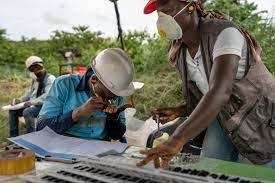
    The country has discovered lithium and other green minerals in commercial quantities with the unpalatable experience of the country deriving less benefit from over a century of mining gold.

    Fortunately, Cabinet has approved a new policy for the exploitation, management and regulation of lithium and other green minerals in the country.

    Often referred to as “minerals of the future”, green minerals are metals and other mineral resources that are needed to support the transition to clean energy technologies aimed at reducing carbon emissions.

    A wide range of minerals that fall under the umbrella of green minerals include bauxite, cobalt, copper, lithium, granite, manganese and nickel.

    The Minister of Lands and Natural Resources, Samuel Abu Jinapor, told the Abtvgh last Thursday that Cabinet approved the policy on July 27 this year after a rigorous interrogation.

    The new Green Minerals Policy, thus amends the Mining and Minerals Policy of 2014 to include robust and progressive regimes that would enable the country to reap optimum benefits from lithium and other green minerals. 

    It became clear that the exploitation of the natural resources was non-negotiable.

    However, it must be done sustainably and responsibly.

    It is imperative, therefore, for the government to do whatever it takes to ensure that the exploitation and utilisation of these green minerals are done, not only in an environmentally sound manner but also in a way that ensures optimal benefit to the people of Ghana.

    This government must never compromise on its resolve. 

    The Abtvgh holds the position that much as a lot has been said, done and achieved, it is time to take the multi-stakeholder route to commit to a national action plan to ensure that only the right things are done in the natural resource sector, and any bad lots expeditiously punished.

    We believe that to secure a more sustainable future, all citizens must approach natural resource management more holistically.

    This will entail balancing economic progress, environmental conservation and social welfare with national revenue and growth or developmental aspirations. 

    The Abtvgh is urging that the overarching goal of the new policy must anchor on the principle that the exploitation of green minerals must benefit Ghanaians who are the true owners of the resource.

    The building blocks for the green minerals exploitation must be different from what exists with gold in particular.

    The country must strive to create a healthier environment by carefully leveraging the natural resource endowments for our long-term collective good. 

    The paper calls on all to commit to take action, learning from what has been done over time, to make a difference for the environment and communities for the future. 

    This can be achieved by caring and working together to create a sustainable future for all Ghanaians; living and unborn.

  • Let’s save fisheries industry from collapse

    Abtvgh

    On the average, Ghana imports about $300 million worth of seafood and fish products annually.

    But the question that begs for answer is, why will the country import so much seafood and fish products when it has been blessed with a coastline spanning hundreds of kilometres, unlike some countries which are landlocked?

    Apart from that, a vast expanse of the Volta River, the largest river basin in sub-saharan Africa, which passes through six West African countries, is also shared by the Volta, Eastern and Northern regions of Ghana and provides some of our fish needs.

    Other big rivers are found in most of the regions of the country and offer a vocation to communities bordering those water bodies, as well as provide fish and other produce of aquaculture for indigenes and other people.

    In spite of all these, the fisheries sector is saddled with major challenges and, if care is not taken, it could lead to a total collapse of the whole industry.

    The pointers are in the massive importation of seafood and fish products from other countries because the current supply is inadequate to meet local demand.

    Not too long ago, the country could boast of the State Fishing Corporation, Mankoadze Fisheries, among others, which had big fishing vessels and trawlers and huge cold stores which ensured that there was enough fish and marine products to go round all-year round.

    The fisheries sector was also booming, with our fishermen landing big catches, fisher folks engaging in brisk business and those in the value chain finding worthy vocations.

    Now wholly Ghanaian-owned companies, such as Mankoadze Fisheries, are no more and gradually the local industry is going into oblivion, with fishermen ruing their low catches, despite the introduction of a closed season of fishing and the creation of a Ministry of Fisheries and Aquaculture Development to see to the growth of the sector.

    While we laud the government for its efforts to sustain the fisheries sector through the supply of premix fuel and the construction of landing beaches, the challenges inherent in the sector need more robust actions and policies to ensure that our fisheries industry is not made to die prematurely.

    It is becoming obvious that we are gradually ceding our fisheries sector to foreigners, especially when it comes to trawling and being in charge of the business.

    Sadly, we see that, as has been the case with farming, where we are still using rudimentary implements, such as hoes and machetes, instead of mechanising our agriculture, when it comes to fishing too, we still depend on our canoes, as we have done for many decades.

    In view of that, we have had to give leadership in the business to Chinese and Korean fishers, while we are content to play second fiddle to them.

    We need an immediate radical policy change to equip our local fishermen with the requisite training at the Ghana Maritime University, which used to be the case years ago, so that they become abreast of modern, efficient and sustainable methods of fishing.

    We also need the banks to go to the rescue of our fishermen, so that they are able to upgrade the fishing gear.

    Competitive fishing is no longer just canoe and paddles or outboard motors, as we are practising here.

    In fact, we need to practise scientific fishing so that we can sustainably fish our waters that nature has generously bequeathed to us and be able to even export products to countries in the sub-region.  

    This is why it is also important that Ghana sees to the full implementation of its Fisheries Co-Management Policy that was introduced in 2020 to ensure that all stakeholders along the fisheries value-chain contribute and put their shoulders to the wheel to ensure the growth of the sector.

    While we commend the government for introducing various interventions such as the closed season, we further urge the government not to relent on its efforts to punish individuals who flout fisheries laws as prescribed in the Fisheries Act.

  • Don’t scrap boarding system in schools

    Abtvgh / GIMPA

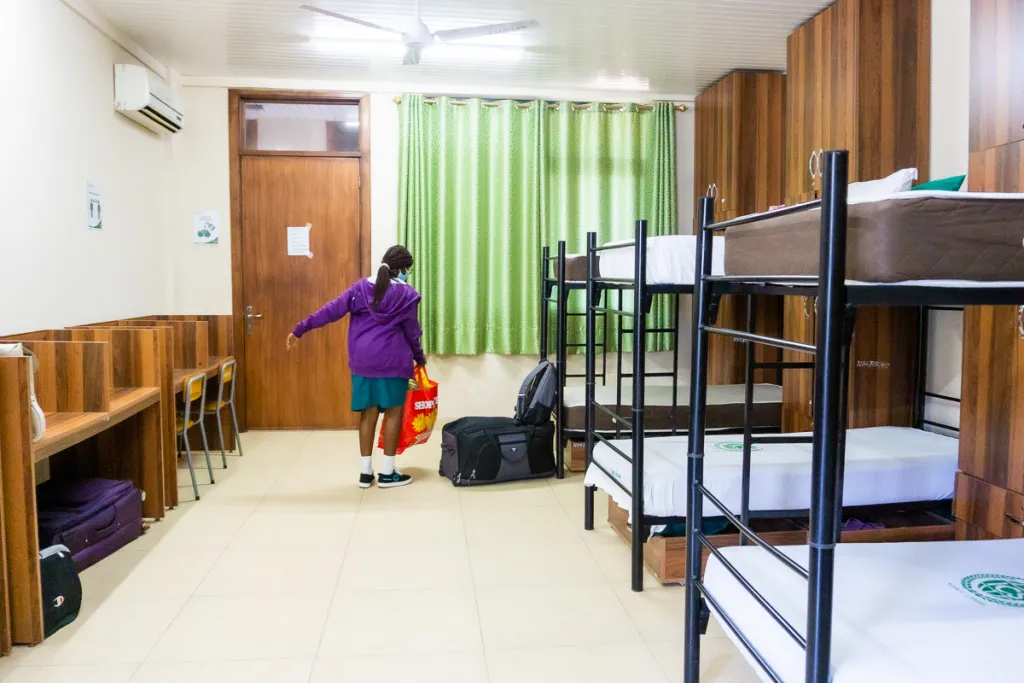
    For a significant number of students, boarding is a necessity due to distance from suitable schools or the need for closer monitoring and bonding.

    For other students, attending boarding school is informed by choice and access to greater educational resources.

    Some educationists have proposed the scrapping of the boarding system as a major step in curbing indiscipline in secondary schools.

    A former Rector of the Ghana Institute of Management and Public Administration (GIMPA), Professor Stephen Adei, and a former Director-General of the Ghana Education Service, Professor Kwasi Opoku-Amankwa, contended that the rationale for the introduction of the boarding system at the pre-colonial time to date had outlived its relevance.

    However, a professor in educational leadership and a former Pro-Vice Chancellor of the University of Cape Coast, Prof. George Oduro, thinks otherwise, and believes that “the boarding system is not the problem; rather the problem is our failure to ensure that the SHS system operates and promotes discipline as it should.

    In fact, the challenges in our schools today is not whether to scrap boarding schools or reinforce the concept to community day schools.

    The problem is how to curb the growing culture of indiscipline in our schools whether day or boarding.

    These days, hardly a day passes without reported incident of indiscipline in our educational institutions, thus making calls for the scrapping of boarding schools grow louder as a solution to curbing deviance in schools.

    The challenge is that school authorities have relaxed some of the disciplinary rules to the extent that schools cannot freely enforce discipline due to human and child rights issues.

    The Daily Graphic holds the view that the boarding system is a fabric of our education, which must be preserved because not all communities have day schools where students can walk in for academic lessons.

    Scrapping the boarding system will put students, who are from communities without secondary schools, at a disadvantage because they will have to walk long distances to school.

    Indeed, boarding schools are home to vibrant and diverse communities of students from all over the country, exposing them to different cultures, beliefs, and viewpoints.

    This exposure helps students develop cultural competency, an essential skill for effective leadership in today’s globalised world.

    In fact, the pillars of diversity, equity and inclusion outweigh all other perks for choosing a day school over the traditional boarding schools.

    While the educational experience at the boarding school is important for personal, educational growth and development, it is also a precursor to life after school.

    It is the view of the Daily Graphic that the boarding system is the most preferred choice for some parents, especially those who are of the opinion that the system has the advantage for their children, to build social maturity, personal growth, make them academically independent and help with peer learning.

    However, recent developments in boarding schools in the country have triggered outrage in society and are making many people have second thoughts.

    Aside from academic performance, which many schools flaunt, issues of supervision, conduct, abuse, moral rectitude and bullying have dominated the media space.

    It is, therefore, the view of the paper that the boarding system should not be scrapped but given a comprehensive overview.

    To ensure that the boarding system operates well, qualified personnel, who have been trained in being housemasters/home mistresses, are employed by schools to run activities in the hostels and dormitories.

    We must also ensure that there is strict monitoring and supervision in our boarding schools to ensure that the environment is conducive to learning.

  • Financial Stability Fund must be operationalised soon to support banks

    Abtvgh

    Banks in the country have relatively been stable following the financial sector clean-up which saw them increase their stated capitals to GH¢400 million.

    However, the Domestic Debt Exchange Programme (DDEP), undertaken by the government on account of the country’s poor financial standing, nearly wiped out all the banks’ profitability, with 16 banks recording significant losses at the end of the 2022 financial year

    Under the DDEP, the government swapped its outstanding domestic-currency bonds for 12 new bonds with reduced coupon rates and longer tenors, and this impaired the assets of all the banks, some of which had as much as 50 per cent exposure in government bonds.

    Although the banks have made a rebound in the first half of 2023 by recording profits, experts have cautioned that the banks would record losses again in 2023 when the full results are audited.

    This is because some of the DDEP losses were deferred to 2023 for recognition in the books of banks.

    Addressing the media at the recent Monetary Policy Committee press conference, the Governor of the Bank of Ghana (BoG), Dr Ernest Addison, said data submitted by banks for the first half of 2023 reflected the lingering effects of the DDEP, notwithstanding the strong rebound in profitability.

    The heavy losses suffered by the banks and the financial services industry in general have had an impact not only on the banks’ profitability but also their capital and reserves adequacy ratios.

    For many experts, it is the forbearance provided by the central bank that has kept the banks on their feet, for which many applaud the Governor and his team.

    A major policy initiative to shore up the liquidity and capital of the banks due to the lingering effects of the DDEP is the proposed Financial Sector Stability Fund to support the banks and financial sector as a whole.

    The World Bank has committed to support the establishment of the fund with US$250 million.

    The government is also in discussions with the African Development Bank (AfDB) for an additional US$100 million to support the fund.

    The government recently hinted that it had so far raised US$750 million for the operationalization of the fund out of the intended target of US$1.5 billion.

    All these efforts reflect the fact that the financial sector has been under stress and there is, therefore, an urgent need to provide institutions with the financial resources needed to bring them back to healthy life.

    Indeed, a key condition under Ghana’s programme with the IMF is for the government, through the Central Bank, to submit to the IMF the recapitalisation plans of banks by the end of September.

    The next logical step is a roadmap on how banks can access the pledged funding to get themselves back to doing the business of lending to the productive sector of the economy.

    Given the exigencies of the times we find ourselves in currently, the Daily Graphic is of the view that the government should practicalise this fund within the shortest possible time.

    As the Finance Minister prepares to appear before the Parliament to fulfil his statutory mandate of presenting a mid-year budget review, many financial experts will be looking for the HOW with regard to getting the Stability Fund off the ground.

    The Daily Graphic has every reason to trust and be confident that the authorities would expedite action on this front, as the urgency of the current financial stress levels is certainly not lost on them.

    An even more convincing case for the speedy operationalisation of the fund is the general economic challenges facing the country.

    A robust financial sector, one with the necessary capital and liquidity, will help relieve the financial crunch businesses are feeling.

    Additionally, a sound financial sector will take us to the days of low interest rates that can spur the growth of the economy.

    The banks have learnt the harsh reality that government-dated securities are no longer risk-free and that their surest bet is the private sector.

    The private sector can, however, thrive where the banks have the requisite financial base to support SMEs as well as big-ticket projects that have the potential to propel the country beyond the current economic challenges.

  • Agenda 111 project needs all the push

    Abtvgh / Ghana/ Agenda 111

    Access to quality and affordable health care is a fundamental human right. 

    Although Ghana has made major strides in improving access to health services, inequity in accessing healthcare services has been highlighted as one of the challenges that needs to be addressed to improve health outcomes as government-aided or funded hospitals provide treatment options for patients from underprivileged communities at a much cheaper rate.

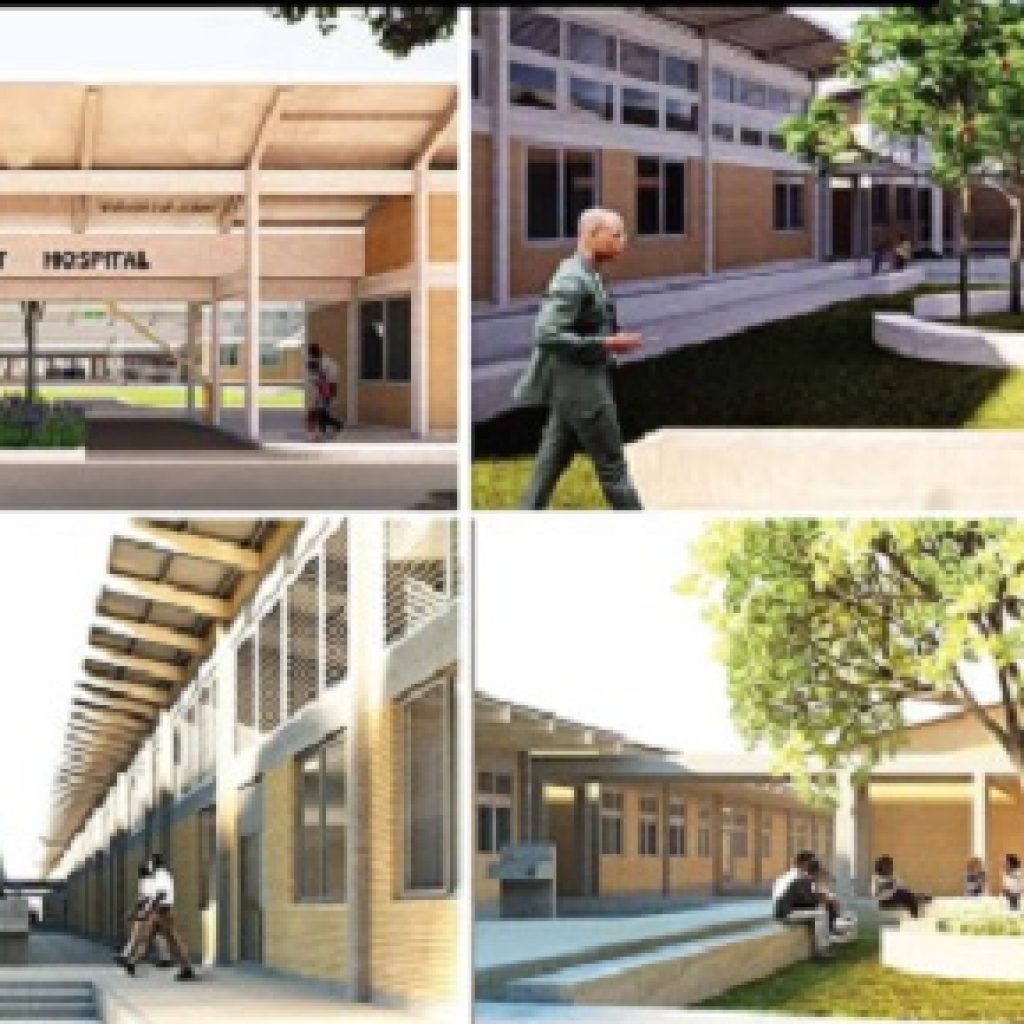
    To ensure that more people have access to quality health care in the country, the government secured a US$100 million start-up fund through the Ghana Investment Infrastructure Fund (GIIF) for the commencement of works on 111 district, specialised and regional hospitals across the country, a project that has been christened “Agenda 111’’.

    Each hospital is expected to be completed within 12 months, starting from the point of commencement.

    The Ghana Health Infrastructure Project, better known as the Agenda 111 project, consists of the construction of 101 district hospitals in areas without district hospitals and the construction of two psychiatric hospitals for the middle and the southern belts, seven regional hospitals and the rehabilitation of the Accra Psychiatric Hospital.

    Recently, the government’s Advisor on Health, Dr Anthony Nsiah-Asare, in an interview in Accra, said the government was working to ensure that nobody travelled more than five kilometres to access health care or lacked access to health care because of financial constraints.

    The Agenda 111 projects are therefore aimed at significantly deepening the delivery of quality health care at the district level, and boost access to healthcare services for all citizens towards ensuring the attainment of the United Nations Sustainable Development Goal Three.

    According to the Minister of Information, Kojo Oppong Nkrumah, the Agenda 111 project presented an unparalleled opportunity to transform the country’s healthcare system, saying.

    Each unit is expected to have facilities such as outpatient services, including consultation for medical and surgical cases, ophthalmology, dental and physiotherapy and imaging services.

    On Friday, June 30, Mr Oppong Nkrumah, together with Dr Nsiah-Asare, visited Trede in the Ashanti Region where he said 88 hospitals out of Agenda 111 were currently under construction.

    He announced that 88 of the projects were currently under construction, saying on the average, most of the contractors had done about 52 per cent of works on all the project sites visited and expressed the hope that by the end of the year, the majority of them would be completed and inaugurated.

    However, some districts are said to have faced challenges in acquiring land for construction, leading to doubts about the government’s commitment to the projects.

    The Abtvgh is happy to note that when completed, each facility would be expected to provide employment to not less than 100 health workers and indirect employment of 100 others and also create other businesses in the health value chain for the surrounding communities.

    We would like to therefore commend the government for keeping to one of its promises, that is the Agenda 111.

    It is the hope of the paper that the promise will be fulfilled to the letter with the inauguration of all the projects by the end of the term of the government.

    We, however, are of the belief that to enable the government to succeed in its quest, there is the need for chiefs, traditional and opinion leaders to work together in ensuring that they support the projects in their various localities.

    The paper also calls on the government to ensure that the various hospitals, when completed, will have qualified and well motivated health professionals to man the facilities.

    Presently, due to low remuneration, there is a very high attrition rate of nurses and other health professionals in the country while the few who are left are also unwilling to work in hard-to-reach communities.

    Nonetheless, the Daily Graphic believes that with the right motivation for health professionals who will accept postings to remote areas, the issue of over-concentration of specialised health professionals in the cities and urban centres can be addressed.

  • FDA must crack the whip

    There is a common saying — we are what we eat. Food safety is paramount in the development of any country.

    That is why the Food and Drugs Authority (FDA) was set up to ensure that the food we eat does not harm us.

    Recently, the FDA raised a health alert on the drying of flour on the pavements of roads.

    The flour, the main ingredient for ‘tuo zaafi’, a popular food in Ghana, is often dried along pavements of highways.

    This is often done at the mercy and vagaries of the weather, the dust generated by passers-by who use such pavement and other contaminants.

    Such flour is also exposed to animals and rodents that walk in and out, leaving in their trail, pathogens that eventually end up in the system of the consumers.

    The FDA explained that its surveillance team, as part of its monitoring, observed the practice and had to direct the millers and those who prepare the food to stop the practice.

    They were also made to immediately remove the flour from the pavement, especially along the Kanda Highway in Accra.

    It is a fact that this practice has existed not only in the urban areas, but even in the rural areas where food items are dried in the most unhygienic manner.

    At least, the Daily Graphic is happy that the FDA is taking steps to right those wrongs because it is better late than never.

    We share the concerns of the FDA against the practice because of the obvious health consequences it has on the final consumers of the product of the flour.

    We, however, wish to draw the attention of the FDA to the fact that the pavements are not used to dry only flour, but other food items.

    It is a common sight, particularly along highways, to see flour, cassava, pepper, maize, among others, spread on plastic mats and other materials in the open.

    It is a good step taken by the FDA to issue the instruction for the flour to be taken off the pavement but it went further to engage with the market women and millers.

    From the engagement, it was obvious that they are oblivious of the potential health hazards associated with the practice.

    After all, this is an age-old practice that they had  inherited.

    We commend the FDA for going further to engage other stakeholders such as the local authorities, including the assembly members and the law enforcement agencies, to work with the market women and millers to ensure compliance.  

    The Daily Graphic agrees with the FDA that food safety measures require collective efforts and we all ought to join in the fight to avoid any future outbreak of food-borne diseases.

    The FDA is not present everywhere.

    It is therefore our responsibility to alert the authority.

     We must all, as a nation, go beyond the ‘tuo zaafi’ flour to the canned food we buy in shops and supermarkets.

    The FDA, on countless occasions, has advised the public to check the expiry dates, particularly of food items.

    It has also appealed to the public to report issues of food-related illnesses.

    Last year, it was at the Mallam Atta Market that the FDA busted market women mixing palm oil with dangerous chemicals

    Early this year, it was Yellow Sisi Waakye and recently, the authority had the unpleasant duty of suspending the production and distribution of Anointed Family Water and Rena Aqua Sachet Water. 

    The surveillance unit of the authority is doing well and needs the support of all.

    Let us all help the authority to ensure that we are eating healthy food at all times.

    Truly, our collective effort is needed to ensure that we have a nation with healthy and productive people to spur growth and development.

     For, a healthy nation is a wealthy nation.

  • Timely completion of La General Hospital necessary

    Abtvgh / GHS

    THE importance of an effective healthcare system to the well-being of the people cannot be overemphasised. That is why governments all over the world, especially in developing countries, put premium on providing the facilities closer to the people because a healthy people results in a wealthy nation.

    In Ghana, all our governments when accounting for their stewardship or enumerating their achievements have always captured the provision and improvement of health infrastructure and systems.

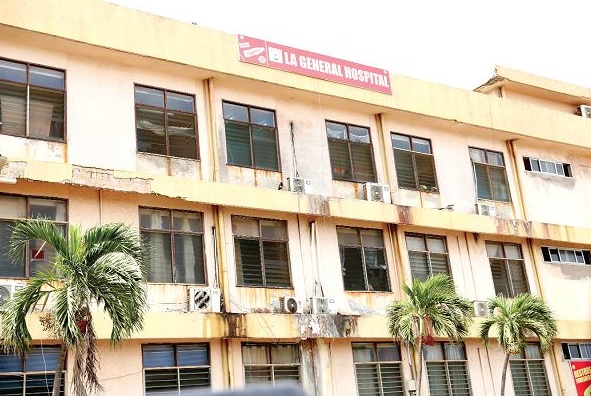
    Thus, when the government detected the structural defects of the La General Hospital in the Greater Accra Region, it decided to pull it down for a complete reconstruction of the hospital that will not only expand its capacity but will be fitted with state-of-the-art equipment.

    It was, therefore, with much excitement that the residents within the catchment area welcomed the sod-cutting ceremony by President Nana Addo Dankwa Akufo-Addo in August 2020 for the La General Hospital Redevelopment Project after it was demolished in July 2020.

    However, due to financial challenges, the project stalled, with some residents and some National Democratic Congress (NDC) Members of Parliament protesting on countless occasions, including asking the Minister of Health, Kwaku Agyemang-Manu, an urgent question in Parliament on the state of the project.

    Fortunately, the Minister of Finance, Ken Ofori-Atta, after a visit to the site, has given assurance that funds had been secured for work to resume (See December 2, 2023 issue of the Daily Graphic).

    The good news from the visit was the assurance of the government’s commitment to release funds on time to ensure smooth execution and completion of the project on time.

    The Abtvgh joins the minister in urging the contactors to stay focused and expedite the completion of the project.

    We are aware of how critical the hospital is in providing the residents of La and surrounding areas with access to high quality health care. Aside from that, it will also help ease the congestion at some of the health centres within the national capital.

    We need to remind ourselves that apart from serving as an employment avenue for health professionals, it also provides employment opportunities for ancillary workers both in the formal and informal health sectors, such as maintenance and catering workers.

    Any government that is able to complete such projects would also be reducing the unemployment rate in the country.

    We must point out that these are some of the benefits we derive from democracy as the government responds to the cries of the people by seeking alternative local funding to complete the project.

    Although the 60-bed capacity hospital has been maintained, with the appropriate designs, the cost has been revised from €57 million to €50 million.

    We are happy that the contract sum of the project has reduced and it is a feather in the cap of those who helped in that regard.  The question remains whether taking a cue from the La General Hospital we can see how best the country can benefit from some of the low-cost or cost-cutting measures.

    Already, the government is executing its Agenda 111 hospital projects, and it will not be a bad idea to revisit the costs, and those of other uncompleted projects to ensure that the projects are completed on time.

    The Abtvgh believes that executing such projects will speed up the pace of development in the country. We assure the minister of finance and the contractors that the Abtvgh will keep an eye on the project to ensure its successful completion and utilization.

    La General Hospital is a key infrastructure in the country’s healthcare delivery, and therefore, its availability and operation is very important to not just the people of La and its environs but to the nation as a whole.

  • JB Danquah murder: Jury abandons duties over unpaid allowances

    Abtvgh

    The jury in the murder case of the late Member of Parliament for Abuakwa North J.B Danquah has served notice of their absence from jury duties due to the non-payment of their allowances.

    The jurors claim they have not been paid their allowances since March 2022. This was contained in a letter addressed to the Judge presiding over the case.

    According to the Jury members, this has affected their ability to carry out their duties as they cannot continue to bear the cost of footing their transportation to attend the court hearings.

    This appears to be a challenge to the trial which has been ongoing since 2021 when the prosecution called its first witness as the Judge indicated that the court is unable to give any particular date by which the Jury will be brought to the proceedings.

    Meanwhile, the High Court in Accra has admitted to evidence caution statements by accused persons in the murder case of the late MP for Abuakwa North JB Danquah during interrogation.

    This follows a mini-trial as a result of an objection raised by lawyers for the accused persons, Daniel Asiedu and Vincent Dosso.

    The lawyers indicated that the caution statements which prosecution’s eight witnesses intended to tender during his testimony were not taken from the accused persons voluntarily.

    In line with the dictates of section 120(6) of the Evidence Act, a mini-trial was held in the absence of the Jury to determine whether or not the caution statements should be excluded from the evidence of the prosecution.

    The prosecution during the mini-trial called witnesses including the investigator who was cross-examined. But after consideration of the evidence made available during the mini-trial, the court ruled that the caution statements were made voluntarily and hence overruled the objection of the counsel of the accused person.

    Justice Lydia Osei Marfo in her ruling stated that the accused persons were not coerced by the Police, nor were they promised any favours before they voluntarily gave the caution charge statement.