Category: General News

  • Financial Stability Fund must be operationalised soon to support banks

    Abtvgh

    Banks in the country have relatively been stable following the financial sector clean-up which saw them increase their stated capitals to GH¢400 million.

    However, the Domestic Debt Exchange Programme (DDEP), undertaken by the government on account of the country’s poor financial standing, nearly wiped out all the banks’ profitability, with 16 banks recording significant losses at the end of the 2022 financial year

    Under the DDEP, the government swapped its outstanding domestic-currency bonds for 12 new bonds with reduced coupon rates and longer tenors, and this impaired the assets of all the banks, some of which had as much as 50 per cent exposure in government bonds.

    Although the banks have made a rebound in the first half of 2023 by recording profits, experts have cautioned that the banks would record losses again in 2023 when the full results are audited.

    This is because some of the DDEP losses were deferred to 2023 for recognition in the books of banks.

    Addressing the media at the recent Monetary Policy Committee press conference, the Governor of the Bank of Ghana (BoG), Dr Ernest Addison, said data submitted by banks for the first half of 2023 reflected the lingering effects of the DDEP, notwithstanding the strong rebound in profitability.

    The heavy losses suffered by the banks and the financial services industry in general have had an impact not only on the banks’ profitability but also their capital and reserves adequacy ratios.

    For many experts, it is the forbearance provided by the central bank that has kept the banks on their feet, for which many applaud the Governor and his team.

    A major policy initiative to shore up the liquidity and capital of the banks due to the lingering effects of the DDEP is the proposed Financial Sector Stability Fund to support the banks and financial sector as a whole.

    The World Bank has committed to support the establishment of the fund with US$250 million.

    The government is also in discussions with the African Development Bank (AfDB) for an additional US$100 million to support the fund.

    The government recently hinted that it had so far raised US$750 million for the operationalization of the fund out of the intended target of US$1.5 billion.

    All these efforts reflect the fact that the financial sector has been under stress and there is, therefore, an urgent need to provide institutions with the financial resources needed to bring them back to healthy life.

    Indeed, a key condition under Ghana’s programme with the IMF is for the government, through the Central Bank, to submit to the IMF the recapitalisation plans of banks by the end of September.

    The next logical step is a roadmap on how banks can access the pledged funding to get themselves back to doing the business of lending to the productive sector of the economy.

    Given the exigencies of the times we find ourselves in currently, the Daily Graphic is of the view that the government should practicalise this fund within the shortest possible time.

    As the Finance Minister prepares to appear before the Parliament to fulfil his statutory mandate of presenting a mid-year budget review, many financial experts will be looking for the HOW with regard to getting the Stability Fund off the ground.

    The Daily Graphic has every reason to trust and be confident that the authorities would expedite action on this front, as the urgency of the current financial stress levels is certainly not lost on them.

    An even more convincing case for the speedy operationalisation of the fund is the general economic challenges facing the country.

    A robust financial sector, one with the necessary capital and liquidity, will help relieve the financial crunch businesses are feeling.

    Additionally, a sound financial sector will take us to the days of low interest rates that can spur the growth of the economy.

    The banks have learnt the harsh reality that government-dated securities are no longer risk-free and that their surest bet is the private sector.

    The private sector can, however, thrive where the banks have the requisite financial base to support SMEs as well as big-ticket projects that have the potential to propel the country beyond the current economic challenges.
  • Save Black Volta from galamsey

    Abtvgh / VRA /Galamsey

    The fight against illegal mining, otherwise known as galamsey, appears to be elusive, notwithstanding the modest gains achieved.

    It is regrettable that in spite of the various interventions aimed at weeding out galamsey, the fight appears to be far from over.

    Particularly worrying is the news that there are escalating galamsey activities along the Black Volta River in areas such as Jama, Jugboi, Carpenter and Bamboi in the Savannah Region.

    The Black Volta takes its source from Burkina Faso and flows north and east for about 200 miles (320 km) and then turns south for 340 miles (550km), forming the border between Ghana and Burkina Faso, and also between Ghana and Côte d’Ivoire.

    At Bamboi in the Savannah Region, the Black Volta turns north and east, and approximately 80 miles (130km) farther east and empties into Lake Volta.

    The Daily Graphic reported yesterday that the activities of the galamsey operators have destroyed the pristine river, affected agriculture and critical infrastructure, notably the Bui Power Generation Dam and the Akosombo Power Generation Dam, downstream.

    Furthermore, the activities of these illegal miners are also causing irreparable damage to the delicate ecosystem because of the pollution of the river with toxic chemicals such as mercury, cyanide and other harmful substances.

    Thankfully, the Sixth Infantry Battalion of the Ghana Armed Forces (GAF) and the Savannah Regional Security Council have begun an operation to deal ruthlessly with all persons engaged in illegal mining or are fueling the menace in the Black Volta.

    The Abtvgh believes the fight must be anchored on total support from other stakeholders.

    Unalloyed support from traditional authorities, the security agencies, politicians, the media and civil society organisations will be key in how far we go with this fight.

    We, as a nation, cannot escape the fact that the destruction caused by illegal mining has dire implications for sustainable national development and needs an all-hands-on-deck approach to curb.

    Again, the Daily Graphic holds the view that illegal mining is a complex phenomenon whose stoppage cannot be achieved overnight.

    That the fight against galamsey requires systematic, sustained efforts and action over a period of time cannot be overemphasised.

    Every well-meaning citizen must see this fight as a duty to save the country from the hands of nation wreckers who are motivated by greed to destroy our future for their personal gain.

    Chiefs, who are the custodians of the land, must rise up and be counted; the security agencies must demonstrate their love for the country by eliminating perpetrators of galamsey, while stakeholders at the local level, including assembly members, municipal and district chief executives and opinion leaders, particularly those in mining communities, must play their part to safeguard our land and water resources.

    We see the fight against illegal mining as a call to national duty because galamsey affects the very soul of our country.

    The pollution of rivers such as the Ankobra, Bia, Birim, Offin and Pra affects every Ghanaian in one way and another.

    The continued pollution of these water bodies is a serious threat to water security for citizens, as it is predicted that the country risks importing water if a concerted effort is not made to stop galamsey activities in rivers.

    Again, the pollution of water bodies threatens Ghana’s effort to achieve the UN Sustainable Development Goal (SDG) 6.1 of “universal and equitable access to safe and affordable drinking water for all,” by 2030.

    Aside from this, the economic implications of water pollution through illegal mining are dire.

  • Addressing gap between north, south non-negotiable

    Abtvgh / Ghana International Border

    There can never be any discussion about the development challenges of Ghana without the mention of the gap between the North and the South.

    It is a well-documented fact that the country has performed poorly in bridging the development gap.

    There have been numerous programmes to develop the north since Ghana gained political independence in 1957.

    Unfortunately, most of them either underperformed or failed.

    In recent years, Ghana has experienced a significantly better performance in terms of economic growth and poverty reduction.

    But there is a fly in the ointment: in terms of development, a major north-south gap still prevails.

    The issue was once again brought to the fore by a Professor of Migration and Refugee Studies at the University of Cape Coast, Professor Augustine Tanle, during his inaugural lecture last week, on the topic: “Interrogating North-South Seasonal Labour Migration in Ghana as a Livelihood Strategy.”

    Prof. Tanle indicated that if efforts were not made to urgently bridge the gap in socio-economic development between the northern parts of the country and the south, the country could not achieve many of its sustainable development goal targets.

    The origins of inequality in Ghana lie in geography – the lower rainfall, savannah vegetation and remote and inaccessible location of much of the north; the pre-colonial relationships between kingdoms and tribes, and the colonial dispensation which ensured that northern Ghana was a labour reserve for the southern mines and forest economy, and the post-colonial failure to break the established pattern.

    Conflict has always been contained but the conditions leading to conflict have never been resolved.

    The recurring conflicts continue to deter investment in the north.

    The threat of that underlying insecurity makes Ghana prey to broader West African conflicting forces.

    Some 60 per cent of the poorest populations are to be found in the five northern regions.

    They are lagging behind at all levels: poverty, health, education, sanitation and unemployment, among others.

    Indeed, the Savannah Region is home to a third of people living in poverty and three-fifths of people living in extreme poverty in Ghana.

    Yet, it has 55 per cent of the country’s arable land and abundant water resources, thanks to the Volta River and Lake – which is the largest artificial lake in the world.

    Development policies in the north have targeted food production instead of infrastructural development.

    But food production cannot transform the north without efficient transport links.

    This is because the north’s vulnerability includes the threat of floods, prolonged droughts, rising temperatures, unreliable rainfall, severe windstorms and other climate-related emergencies which are already negatively impacting agriculture and threatening productivity and food security.

    The Daily Graphic is of the opinion that what the people need in the north now is unity to speed up development.

    They should not let the underdevelopment cause disagreements and conflicts, but rather they should focus on fighting ignorance, poverty and hatred instead of fighting one another.

    There is an urgent need to provide alternative sustainable livelihoods in the five northern regions to halt the worsening poverty and deprivation in the area.

    As a nation, we have done poorly in bridging the development gap between the north and the south but it is never too late.

    We, therefore, need strategies that can create opportunities for investments in agriculture and non-agriculture enterprises to create wealth and reduce poverty in the area.

    To achieve this, we support the call by Prof. Tanle for a conscious effort by the government to set up industrial zones to create employment in the five northern regions and the setting up of more agro-based industries to help reduce poverty levels among the people to enhance socio-economic development.

    The fear is that in the end, Ghana may not achieve Sustainable Development Goals 1,2, 4,6 and 10 which include no poverty, zero hunger, education, clean water and sanitation, and reduce inequalities if nothing is done to improve the quality of life in the five northern regions and their development indicators.

    It is time to provide support for agriculture and farmers in the north to optimise their land use to enable them to produce enough to feed the nation.

  • We must do better on peace index

    Abtvgh / Ghana Global Community

    Ghana is often trumpeted to the global community as the most peaceful, stable and investment-friendly country in the sub-region. 

    Our leaders often tout these credentials to paint a positive image of the country and to attract both tourists and investors into the country for economic gain.

    However, there are a multiplicity of developments that threaten the peace and stability of the country.

    Unfortunate situations such as the use of intemperate language in the public sphere by political actors, conflicts over chieftaincy titles, and violence associated with illegal mining activities are gradually eroding Ghana’s credentials as an oasis of peace.

    We have often overlooked these dangers or threats to the peace we enjoy in the country, with the argument that the country shall never descend to the stage of conflict or violence because Ghanaians are peace-loving.

    This is where we get things wrong and allow threats to degenerate into something unexpected.

    After all, the countries that have challenges with internal security had treated with careless abandon the threats posed by insurgents fighting for their rights, to possess their lands and obtain some of their natural resources.

    The Daily Graphic finds it not surprising that Ghana had lost its position as the Most Peaceful Country in West Africa to Sierra Leone in the latest Global Peace Index.

    Not only that, the country also slipped to the fourth position, from its second place as the Most Peaceful in Africa in the 2022 index.

    According to the Chairman of the Governing Board of the National Peace Council (NPC), Rev. Dr Ernest Adu-Gyamfi, the decline was attributed to threats such as armed robbery, attacks on journalists, political violence, land guard menace and perceptions contributing to the ratings and compilation of results.

    This development is worrying, especially so when the country is protecting itself against  terrorists activities and violent extremism that have already threatened the stability of neighbouring countries such as Cote d’Ivoire, Togo  and Burkina Faso.

    Fortunately, these are factors which are well-known to all of us and addressing them will be much easier than allowing those threats to degenerate into a bad situation.

    The Daily Graphic believes that if all the stakeholders engage one another in an open and frank manner, the country could be finding a solution to the challenges confronting its peace.

    Such an engagement should be executed in an environment of trust and confidence to help deal with the possibility of these threats degenerating into extremism.

    It should rather engender understanding and tolerance.

    If we must build resilience against terrorism and violent extremism, we must join in and support efforts of the NPC, the Ministry of National Security and the National Commission for Civic Education (NCCE) to educate the populace not to take things for granted.

    We commend the NCCE for rolling out the Preventing Conflict and Violent Extremism (PCVE) project in the five regions of the north, and the Oti and Bono Ahafo regions.

    The Daily Graphic sees the PCVE initiative as a perfect way to take the bull by the horn.

    Therefore, all stakeholders, including chiefs, the security agencies, opinion leaders, faith-based organisations and civil society organisations (CSO) must work together to create awareness, educate and sensitise members of the public to the need to identify and nip the triggers of conflict in the bud.

    We are also of the view that our chiefs, landowners and political office seekers must do the right things all the time and not to engage the services of hoodlums to unleash mayhem on innocent persons just to push their selfish interests.

    We need to remind ourselves that insurgents often exploit vulnerable communities for their nefarious activities.

    We must not provide the fertile ground for aggrieved persons to use unorthodox measures to seek their rights.

    The Daily Graphic holds the view that those responsible for the adjudication of differences must also deliver on their mandate in a manner that will satisfy parties involved in any dispute.

    We believe that the country can regain its position not only as the peaceful nation in West Africa, but Africa as a whole in the global rankings.

    This requires the establishment of a vibrant peace-building infrastructure that strengthens partnerships and  promotes inclusive and participatory governance.

    Let us all work hand in gloves to reclaim our enviable position on the peace index.

    It is a collective responsibility.

    After all, a country is like a boat; when it sinks, it spares no one.

  • Let’s balance free speech with rule of law

    Abtvgh / Rule of Law In Ghana

    Recent public comments on the trial of the Member of Parliament (MP) for Assin North, James Gyakye Quayson, have received support and backlash from different quarters and the general public.

    The brouhaha started when the Dormaahene, Osagyefo Oseadeeyo Agyemang Badu II, made an appeal to the Attorney-General (A-G) to file a nolle prosequi and discontinue the criminal case against Mr Quayson, as prosecuting him would not augur well for his constituents, especially after his victory at the Assin North by-election on June 17, this year.

    A former A-G, Nii Ayikoi Otoo, also added his voice to the calls for the discontinuance of the case on the basis that it would be politically prudent for the trial to end in view of current public sentiments.

    Mr Quayson has been accused of perjury and forgery over certain alleged offences in the run-up to the 2020 general election.

    He won that election but it was later nullified by the Supreme Court due to his dual citizenship status.

    The Dormaahene’s appeal for the A-G to drop the case against the legislator was condemned by some who saw it as an unwelcome comment by a sitting judge.

    Osagyefo Agyemang Badu is a High Court judge with the name Justice Daniel Mensah.

    While his critics hounded him, those in support of the comment spiritedly defended the Dormaahene, arguing that he only exercised his freedom of speech and also it was in the public interest to end the case against the Assin North MP.

    It is obvious that the public commentary on the trial has taken the usual political dimension, with people sticking to entrenched positions on the issue.

    The opposition National Democratic Congress has jumped to the defence of the Dormahene, while many of the critics are affiliated to the ruling New Patriotic Party (NPP).

    It was within the context of such a polarised political environment on the issue that the A-G, Godfred Yeboah Dame, released a statement calling on the public to be circumspect in their commentary on court cases especially the so-called high-profile cases, involving political figures.

    Mr. Dame said although there was the freedom of speech, such commentary on the cases “transgresses permissible limits of free speech” and makes it difficult for the “stream of justice to flow”.

    He noted that any assertion that a person should not face the law because of his or her political position would not augur well for the development of the country, and as such dangerous for democracy.

    “The perception that a crime committed by a person of high political standing in society should not be prosecuted is dangerous for society and must not be countenanced,” Mr Dame said.

    The A-G added that such public utterances, including those by lawyers, were prejudicial and had the potential to mar the effective administration of justice.

    The Principal Legal Advisor to the government said such comments did not provide a conducive environment for state prosecutors and the court to effectively discharge their functions.

    Public comments on state institutions, including the work of the A-G and the judiciary, are a testament that our democracy is growing and people are becoming more conscious of public issues.

    In this regard, it is, therefore, not out of place when people comment on court cases.

    However, the Daily Graphic agrees with the A-G that the nature of some of the commentaries on court cases may have a negative impact on the administration of justice.

    Constant non-constructive criticisms of court cases could lead to bastardisation of the courts, and the justice system, and could create the impression that the justice delivery architecture was against the public will.

    Loss of confidence in the justice system could spell doom for the country.

    We, therefore, call on the public, including political office holders, to be circumspect in their commentaries on court cases, especially high-profile cases in order not to pit the citizenry against the justice system.

    While an accused person must be given the freedom to defend himself or herself, the justice system must also be given the space and necessary support to adequately discharge its duties.

    We must cherish our right to speak on issues but we must balance that right with the rule of law in the interest of the country.

  • Agenda 111 project needs all the push

    Abtvgh / Ghana/ Agenda 111

    Access to quality and affordable health care is a fundamental human right. 

    Although Ghana has made major strides in improving access to health services, inequity in accessing healthcare services has been highlighted as one of the challenges that needs to be addressed to improve health outcomes as government-aided or funded hospitals provide treatment options for patients from underprivileged communities at a much cheaper rate.

    To ensure that more people have access to quality health care in the country, the government secured a US$100 million start-up fund through the Ghana Investment Infrastructure Fund (GIIF) for the commencement of works on 111 district, specialised and regional hospitals across the country, a project that has been christened “Agenda 111’’.

    Each hospital is expected to be completed within 12 months, starting from the point of commencement.

    The Ghana Health Infrastructure Project, better known as the Agenda 111 project, consists of the construction of 101 district hospitals in areas without district hospitals and the construction of two psychiatric hospitals for the middle and the southern belts, seven regional hospitals and the rehabilitation of the Accra Psychiatric Hospital.

    Recently, the government’s Advisor on Health, Dr Anthony Nsiah-Asare, in an interview in Accra, said the government was working to ensure that nobody travelled more than five kilometres to access health care or lacked access to health care because of financial constraints.

    The Agenda 111 projects are therefore aimed at significantly deepening the delivery of quality health care at the district level, and boost access to healthcare services for all citizens towards ensuring the attainment of the United Nations Sustainable Development Goal Three.

    According to the Minister of Information, Kojo Oppong Nkrumah, the Agenda 111 project presented an unparalleled opportunity to transform the country’s healthcare system, saying.

    Each unit is expected to have facilities such as outpatient services, including consultation for medical and surgical cases, ophthalmology, dental and physiotherapy and imaging services.

    On Friday, June 30, Mr Oppong Nkrumah, together with Dr Nsiah-Asare, visited Trede in the Ashanti Region where he said 88 hospitals out of Agenda 111 were currently under construction.

    He announced that 88 of the projects were currently under construction, saying on the average, most of the contractors had done about 52 per cent of works on all the project sites visited and expressed the hope that by the end of the year, the majority of them would be completed and inaugurated.

    However, some districts are said to have faced challenges in acquiring land for construction, leading to doubts about the government’s commitment to the projects.

    The Abtvgh is happy to note that when completed, each facility would be expected to provide employment to not less than 100 health workers and indirect employment of 100 others and also create other businesses in the health value chain for the surrounding communities.

    We would like to therefore commend the government for keeping to one of its promises, that is the Agenda 111.

    It is the hope of the paper that the promise will be fulfilled to the letter with the inauguration of all the projects by the end of the term of the government.

    We, however, are of the belief that to enable the government to succeed in its quest, there is the need for chiefs, traditional and opinion leaders to work together in ensuring that they support the projects in their various localities.

    The paper also calls on the government to ensure that the various hospitals, when completed, will have qualified and well motivated health professionals to man the facilities.

    Presently, due to low remuneration, there is a very high attrition rate of nurses and other health professionals in the country while the few who are left are also unwilling to work in hard-to-reach communities.

    Nonetheless, the Daily Graphic believes that with the right motivation for health professionals who will accept postings to remote areas, the issue of over-concentration of specialised health professionals in the cities and urban centres can be addressed.

  • FDA must crack the whip

    There is a common saying — we are what we eat. Food safety is paramount in the development of any country.

    That is why the Food and Drugs Authority (FDA) was set up to ensure that the food we eat does not harm us.

    Recently, the FDA raised a health alert on the drying of flour on the pavements of roads.

    The flour, the main ingredient for ‘tuo zaafi’, a popular food in Ghana, is often dried along pavements of highways.

    This is often done at the mercy and vagaries of the weather, the dust generated by passers-by who use such pavement and other contaminants.

    Such flour is also exposed to animals and rodents that walk in and out, leaving in their trail, pathogens that eventually end up in the system of the consumers.

    The FDA explained that its surveillance team, as part of its monitoring, observed the practice and had to direct the millers and those who prepare the food to stop the practice.

    They were also made to immediately remove the flour from the pavement, especially along the Kanda Highway in Accra.

    It is a fact that this practice has existed not only in the urban areas, but even in the rural areas where food items are dried in the most unhygienic manner.

    At least, the Daily Graphic is happy that the FDA is taking steps to right those wrongs because it is better late than never.

    We share the concerns of the FDA against the practice because of the obvious health consequences it has on the final consumers of the product of the flour.

    We, however, wish to draw the attention of the FDA to the fact that the pavements are not used to dry only flour, but other food items.

    It is a common sight, particularly along highways, to see flour, cassava, pepper, maize, among others, spread on plastic mats and other materials in the open.

    It is a good step taken by the FDA to issue the instruction for the flour to be taken off the pavement but it went further to engage with the market women and millers.

    From the engagement, it was obvious that they are oblivious of the potential health hazards associated with the practice.

    After all, this is an age-old practice that they had  inherited.

    We commend the FDA for going further to engage other stakeholders such as the local authorities, including the assembly members and the law enforcement agencies, to work with the market women and millers to ensure compliance.  

    The Daily Graphic agrees with the FDA that food safety measures require collective efforts and we all ought to join in the fight to avoid any future outbreak of food-borne diseases.

    The FDA is not present everywhere.

    It is therefore our responsibility to alert the authority.

     We must all, as a nation, go beyond the ‘tuo zaafi’ flour to the canned food we buy in shops and supermarkets.

    The FDA, on countless occasions, has advised the public to check the expiry dates, particularly of food items.

    It has also appealed to the public to report issues of food-related illnesses.

    Last year, it was at the Mallam Atta Market that the FDA busted market women mixing palm oil with dangerous chemicals

    Early this year, it was Yellow Sisi Waakye and recently, the authority had the unpleasant duty of suspending the production and distribution of Anointed Family Water and Rena Aqua Sachet Water. 

    The surveillance unit of the authority is doing well and needs the support of all.

    Let us all help the authority to ensure that we are eating healthy food at all times.

    Truly, our collective effort is needed to ensure that we have a nation with healthy and productive people to spur growth and development.

     For, a healthy nation is a wealthy nation.

  • Timely completion of La General Hospital necessary

    Abtvgh / GHS

    THE importance of an effective healthcare system to the well-being of the people cannot be overemphasised. That is why governments all over the world, especially in developing countries, put premium on providing the facilities closer to the people because a healthy people results in a wealthy nation.

    In Ghana, all our governments when accounting for their stewardship or enumerating their achievements have always captured the provision and improvement of health infrastructure and systems.

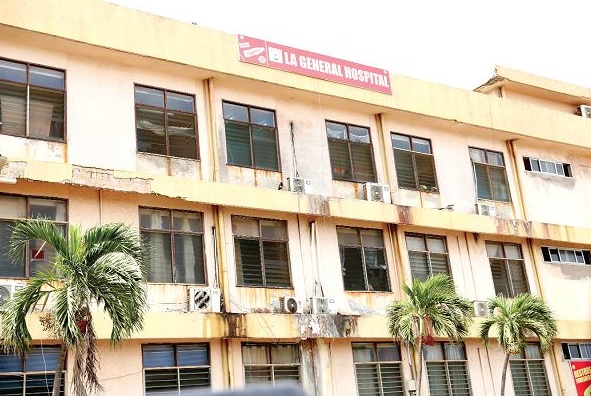
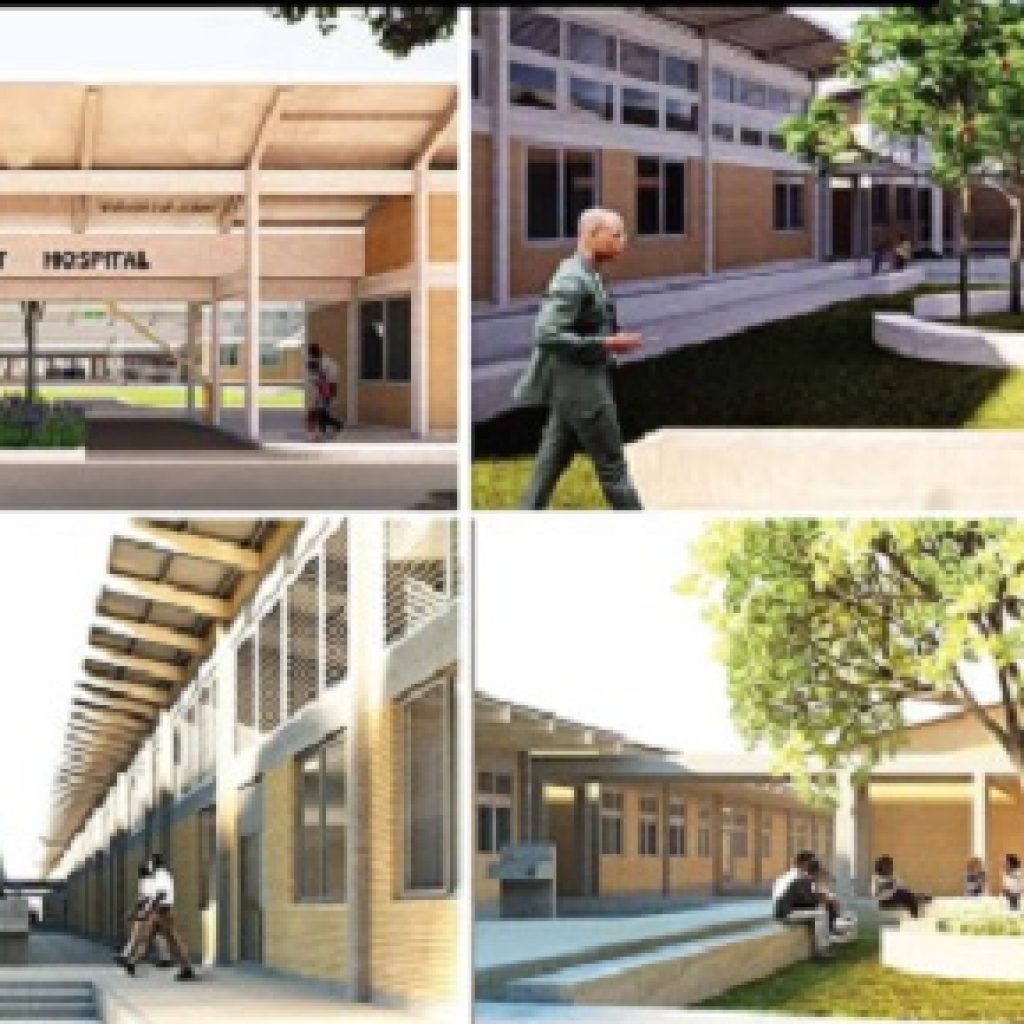
    Thus, when the government detected the structural defects of the La General Hospital in the Greater Accra Region, it decided to pull it down for a complete reconstruction of the hospital that will not only expand its capacity but will be fitted with state-of-the-art equipment.

    It was, therefore, with much excitement that the residents within the catchment area welcomed the sod-cutting ceremony by President Nana Addo Dankwa Akufo-Addo in August 2020 for the La General Hospital Redevelopment Project after it was demolished in July 2020.

    However, due to financial challenges, the project stalled, with some residents and some National Democratic Congress (NDC) Members of Parliament protesting on countless occasions, including asking the Minister of Health, Kwaku Agyemang-Manu, an urgent question in Parliament on the state of the project.

    Fortunately, the Minister of Finance, Ken Ofori-Atta, after a visit to the site, has given assurance that funds had been secured for work to resume (See December 2, 2023 issue of the Daily Graphic).

    The good news from the visit was the assurance of the government’s commitment to release funds on time to ensure smooth execution and completion of the project on time.

    The Abtvgh joins the minister in urging the contactors to stay focused and expedite the completion of the project.

    We are aware of how critical the hospital is in providing the residents of La and surrounding areas with access to high quality health care. Aside from that, it will also help ease the congestion at some of the health centres within the national capital.

    We need to remind ourselves that apart from serving as an employment avenue for health professionals, it also provides employment opportunities for ancillary workers both in the formal and informal health sectors, such as maintenance and catering workers.

    Any government that is able to complete such projects would also be reducing the unemployment rate in the country.

    We must point out that these are some of the benefits we derive from democracy as the government responds to the cries of the people by seeking alternative local funding to complete the project.

    Although the 60-bed capacity hospital has been maintained, with the appropriate designs, the cost has been revised from €57 million to €50 million.

    We are happy that the contract sum of the project has reduced and it is a feather in the cap of those who helped in that regard.  The question remains whether taking a cue from the La General Hospital we can see how best the country can benefit from some of the low-cost or cost-cutting measures.

    Already, the government is executing its Agenda 111 hospital projects, and it will not be a bad idea to revisit the costs, and those of other uncompleted projects to ensure that the projects are completed on time.

    The Abtvgh believes that executing such projects will speed up the pace of development in the country. We assure the minister of finance and the contractors that the Abtvgh will keep an eye on the project to ensure its successful completion and utilization.

    La General Hospital is a key infrastructure in the country’s healthcare delivery, and therefore, its availability and operation is very important to not just the people of La and its environs but to the nation as a whole.

  • JB Danquah murder: Jury abandons duties over unpaid allowances

    Abtvgh

    The jury in the murder case of the late Member of Parliament for Abuakwa North J.B Danquah has served notice of their absence from jury duties due to the non-payment of their allowances.

    The jurors claim they have not been paid their allowances since March 2022. This was contained in a letter addressed to the Judge presiding over the case.

    According to the Jury members, this has affected their ability to carry out their duties as they cannot continue to bear the cost of footing their transportation to attend the court hearings.

    This appears to be a challenge to the trial which has been ongoing since 2021 when the prosecution called its first witness as the Judge indicated that the court is unable to give any particular date by which the Jury will be brought to the proceedings.

    Meanwhile, the High Court in Accra has admitted to evidence caution statements by accused persons in the murder case of the late MP for Abuakwa North JB Danquah during interrogation.

    This follows a mini-trial as a result of an objection raised by lawyers for the accused persons, Daniel Asiedu and Vincent Dosso.

    The lawyers indicated that the caution statements which prosecution’s eight witnesses intended to tender during his testimony were not taken from the accused persons voluntarily.

    In line with the dictates of section 120(6) of the Evidence Act, a mini-trial was held in the absence of the Jury to determine whether or not the caution statements should be excluded from the evidence of the prosecution.

    The prosecution during the mini-trial called witnesses including the investigator who was cross-examined. But after consideration of the evidence made available during the mini-trial, the court ruled that the caution statements were made voluntarily and hence overruled the objection of the counsel of the accused person.

    Justice Lydia Osei Marfo in her ruling stated that the accused persons were not coerced by the Police, nor were they promised any favours before they voluntarily gave the caution charge statement.

  • Ghana’s fishing industry has a ‘golden seaweed’ problem – how citizen science can help

    Abtvgh /

    Sargassum is a genus of brown seaweed. Over 300 species are distributed across the world in both temperate and tropical climates. The species fluitans and natans are unique because they spend their life cycle floating on the ocean, never attaching to the sea floor. Other seaweed species reproduce and begin life on the ocean floor .

    Pelagic (open sea) sargassum has been described as the “golden rainforest of the ocean” because of the floating ecosystem it supports in the Sargasso Sea, in the western Atlantic Ocean. Pelagic sargassum also occurs naturally in the Gulf of Mexico and the Caribbean.

    Floating sargassum first began arriving en masse on shores across the tropical Atlantic in 2011. Up to 10,000 tonnes arrived daily during a particularly severe peak season. Severe years since then include 2015, 2018 and 2022 – but every year there is a significant influx. In the Caribbean, there has been good progress in understanding the pelagic sargassum seaweed. We now have a better idea of where it’s coming from: likely a new southern area of growth.

    In 2009 the first reports emerged of pelagic sargassum sightings off the coast of Ghana. Densities have increased annually ever since. In early March 2023, large quantities have again arrived on the shores of the Western Region of the country.

    Pelagic sargassum is beneficial in lots of ways. Marine species such as eels, white marlin and dolphin fish depend on it for spawning grounds in the Sargasso Sea. Commercial fish species including tuna depend on it for food.

    But problems arise when large quantities are experienced near and on the shorelines of coastal communities. Algal and seaweed blooms are becoming more common in seas and oceans worldwide, both far offshore and nearshore. There is only limited evidence of a link between pelagic sargassum blooms and climate change, but warming oceans do seem to be one cause of the rise in other harmful algal blooms in coastal areas.

    The pelagic sargassum off Ghana’s coast is affecting communities’ ability to fish and use their beaches.

    Importance of fishing in Ghana

    More than 60% of Ghana’s citizens live within 200km of the coast and 42% within 100km. The artisanal or small-scale fisheries sector employs an estimated 80% of the country’s fishers.

    Around 2.4 million people, about 10% of the population, work in the fisheries sector. Small-scale fisheries contribute about 4.5% to Ghana’s gross domestic product (GDP). The coastal regions of the country are particularly dependent on fisheries for their livelihoods.

    Marine fisheries are the primary source of income for more than 200 coastal villages, including about 200,000 fishers with approximately 2 million dependents.

    Impacts of pelagic sargassum on fishing communities

    In a recent study we assessed the impact of pelagic sargassum on the livelihoods of fishers on Ghana’s coast. Through group discussions, surveys, field observations and photographs, we documented the experiences of fishers. Most (70%) of those we spoke to across three sites in the region – Sanzule, Beyin and Newtown – depended on fishing for their sustenance and livelihood.

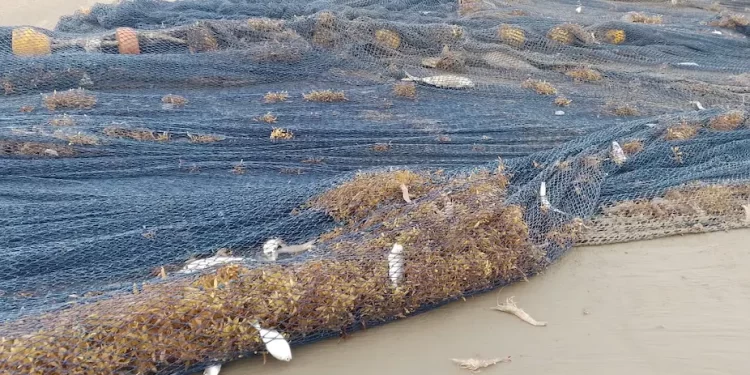
    The seaweed had significantly affected the livelihoods of fishing dependent communities in the western region. Pelagic sargassum had reduced their fish catch by getting tangled in nets. It made up most of the catch instead of fish.

    Pelagic sargassum also inhibits fishing by:

    • breaking nets and filling nets
    • clogging outboard motors on boats
    • creating seaweed mats that are impossible to navigate boats through
    • causing skin irritations
    • causing unbearable discomfort from the smell.

    These initial results highlight the urgency of finding ways to manage pelagic sargassum in western Africa. But to achieve this, we also need more data and an improved understanding of what is happening.

    Solutions

    To identify solutions, it is important to know what types of seaweed are arriving, their origins, uses and how to monitor them. It is possible that the answers are the same for west Africa as in the Caribbean. But this is an assumption. Very little is known about pelagic sargassum in West Africa.

    What we do know, as scientists, is that answering some of these questions for places like Ghana might be even trickier than it was for the Caribbean.

    Take forecasting and early warning, for example. These processes rely on sufficient cloud-free satellite imagery in combination with an understanding of ocean processes and weather systems. That means detecting where the pelagic sargassum is at any given moment, in combination with ocean process models, to forecast where it will be later.

    But west African coasts tend to have significant cloud cover. Methods that worked well in the Caribbean may not work in Ghana.

    Recently, a team from universities in Ghana, the UK and Jamaica came together to explore how ground-based photography might create a useful dataset to better understand the seasonality and volumes of pelagic sargassum arriving in Ghana, using citizen science methods.

    Citizen science recognises the important role that the public can play in research, and invites non-researchers to be part of data collection and analysis.

    Citizen science is now applied worldwide for coastal monitoring but focuses almost exclusively on coastal erosion. Coastal erosion work, such as the CoastSnap platform, documents how the physical structure of coastlines changes across days, months and years. The citizen science monitoring is achieved by installing a simple metal pole and some signage requesting that a passersby take a quick photo with their mobile phone and share it online or via an app.

    In our work, we have come together with schools and community members from Beyin, Esiama and Sanzule in the western region of Ghana to apply CoastSnap to study pelagic sargassum. Together, we have installed three of these metal monitoring posts. Teachers and community members are now photographing the impacts that the seaweed has on people’s lives when it arrives.

    Gradually, we will learn more about pelagic sargassum impacts and adaptation options in west Africa.

    By: Sien van der Plank ,Senior Research Fellow, University of Southampton, Kwasi Addo Appeaning, Lecturer in Marine and Fisheries Sciences, University of Ghana, Philip-Neri Jayson-Quashigah ,Research Fellow, University of Ghana and  Winnie N. A. Sowah, Lecturer, Department of Marine and Fisheries Sciences, University of Ghana.